

Navigation
Install the app
How to install the app on iOS
Follow along with the video below to see how to install our site as a web app on your home screen.
Note: This feature may not be available in some browsers.
More options
Style variation
System
Light
Dark

You are using an out of date browser. It may not display this or other websites correctly.
You should upgrade or use an alternative browser.
You should upgrade or use an alternative browser.
Need a word or phrase translated?
- Thread starter Buntaro
- Start date


Elizabeth
先輩
- 22 Apr 2003
- 9,839
- 135
This means actually "I CAN go to the store" in terms of being in a position to do so -- physically up to it, getting in the time, the money, transport etc"
うーん・・・
僕はお店に行かれます。?
母は僕にお店に行かれます。?
How about "お店に行ってもいいことになっている" for "I am allowed/have been permitted (by someone) to go to the store."
Did I translate this right? (from a manga)
chotto moguttekuru ne?
Won't you come diving for a little bit?
Also I did read the "Typing in Japanese" topic but couldn't get it to work, so please excuse the romaji
P.S. I'm new here, so Konnichiwa and all that stuff
chotto moguttekuru ne?
Won't you come diving for a little bit?
Also I did read the "Typing in Japanese" topic but couldn't get it to work, so please excuse the romaji
P.S. I'm new here, so Konnichiwa and all that stuff
Last edited:

- 22 Feb 2008
- 18,266
- 4,926
That means "I'm going to go dive," if there's no typos.Did I translate this right? (from a manga)
chotto moguttekuru ne?
Won't you come diving for a little bit?
Also I did read the "Typing in Japanese" topic but couldn't get it to work, so please excuse the romaji
P.S. I'm new here, so Kon'ichiwa and all that stuff
Just one more thing, こんにちわ[konnichiwa].;-)
Elizabeth
先輩
- 22 Apr 2003
- 9,839
- 135
mogutte = I will divedoumo arigatou gozaimasu
kuru = and then come back
The emphasis is on returning in Japanese, on going in English.
If it were "Won't you come (here) diving ??" the person would have to be calling from around the water.


Jericho Desu
七転八起
- 23 Feb 2008
- 1,105
- 28
Hi Folks,
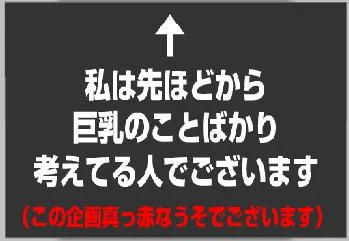
I've got this picture, and would really like to know what's written there. I'm guessing that it's something like "this points to an idiot", but since google translate doesn't do OCR yet, I'm not sure.
Here's the image, although I myself don't know what it means
Elizabeth
先輩
- 22 Apr 2003
- 9,839
- 135
Take it to a site that does Japanese vulgarities along with porn phrases...Here's the image, although I myself don't know what it means

Jericho Desu
七転八起
- 23 Feb 2008
- 1,105
- 28
Take it to a site that does Japanese vulgarities along with porn phrases...
Oh crap is it that bad? Nadiv you take the blame for that! *runs*
Hmmm... thanks Jericho, and sorry for the vulgarities.
It was taken from 人間 [面白くて変なことを考えている] which as far as I can see is no porn site (at least No nudity, can't judge its textual content).
Are the vulgarities addressed to whoever the arrow is pointing too?
It was taken from 人間 [面白くて変なことを考えている] which as far as I can see is no porn site (at least No nudity, can't judge its textual content).
Are the vulgarities addressed to whoever the arrow is pointing too?
Last edited:
Elizabeth
先輩
- 22 Apr 2003
- 9,839
- 135
It's not hard core or anything. But the large print says something about a recent obsession with well endowed women, so someone here may be offended. It should probably be taken down. Although there could be a more indirect meaning I'm not getting either....hmmm... thanks Jericho, and sorry for the vulgarities.
it was taken from bokeru-com, which as far as I can see is no porn site (at least no nudity, can judge its textual content).
are the vulgarities addressed to whoever the arrow is pointing too?

Hi everyone!
So the grammar in this sentence is pretty hard for me, and I was hoping someone could check it for me. It's from a manga.
たき様が我儘をおっしゃられたのはあれが初めてだったんだ。
Is this basically: "It was the first time anyone spoke to Taki-sama's willfullness", i.e. "It was the first time anyone talked back to Taki-sama [but he needed it]"?
The first half of the sentence is in the indirect passive voice, right? And Taki-sama is the subject but his behavior is the direct object? And then the whole first half is nominalized by のは? Is that all correct?
Hmm, actually, there's no actor in there, so the actor could be an abstract person or it could be the other character they're discussing- i.e. "anyone talked back" or "he talked back". Is that right?
Thanks!
So the grammar in this sentence is pretty hard for me, and I was hoping someone could check it for me. It's from a manga.
たき様が我儘をおっしゃられたのはあれが初めてだったんだ。
Is this basically: "It was the first time anyone spoke to Taki-sama's willfullness", i.e. "It was the first time anyone talked back to Taki-sama [but he needed it]"?
The first half of the sentence is in the indirect passive voice, right? And Taki-sama is the subject but his behavior is the direct object? And then the whole first half is nominalized by のは? Is that all correct?
Hmm, actually, there's no actor in there, so the actor could be an abstract person or it could be the other character they're discussing- i.e. "anyone talked back" or "he talked back". Is that right?
Thanks!

Ashikaga
もちもちした食感
- 19 Feb 2008
- 2,220
- 84
たき様が我儘をおっしゃられたのはあれが初めてだったんだ。
Is this basically: "It was the first time anyone spoke to Taki-sama's willfullness", i.e. "It was the first time anyone talked back to Taki-sama [but he needed it]"?
The first half of the sentence is in the indirect passive voice, right? And Taki-sama is the subject but his behavior is the direct object? And then the whole first half is nominalized by のは? Is that all correct?
Hmm, actually, there's no actor in there, so the actor could be an abstract person or it could be the other character they're discussing- i.e. "anyone talked back" or "he talked back". Is that right?
As you know, おっしゃる is a polite form of 言う. Now, おっしゃられる goes another step higher on the politeness ladder. It is not a passive form. It is Taki who is being selfish/willful.
It is not a speech often heard in casual conversations. It is only used when you are talking to/referring to someone who is a superior. i.e. Servant → Master, Business person → Very important client, etc.
There are different degrees of politeness, and おっしゃられる is at the top of that list. This faux-passive voice can be used with other verbs as well. For example,
食べる → 召し上がる → お召し上がりになる → お召し上がりになられる
As this Taki person is referred to as taki-SAMA, s/he must be someone very important.
- 22 Feb 2008
- 18,266
- 4,926
おっしゃられる is so-called 二重敬語[nijuu-keigo; double honorific.] This expression is considered grammatically incorrect at least in modern Japanese. (It was used basically for Imperial families/high-class nobles in archaic Japanese.)Hi everyone!
So the grammar in this sentence is pretty hard for me, and I was hoping someone could check it for me. It's from a manga.
たき様が我儘をおっしゃられたのはあれが初めてだったんだ。
Is this basically: "It was the first time anyone spoke to Taki-sama's willfullness", i.e. "It was the first time anyone talked back to Taki-sama [but he needed it]"?
The first half of the sentence is in the indirect passive voice, right? And Taki-sama is the subject but his behavior is the direct object? And then the whole first half is nominalized by のは? Is that all correct?
Hmm, actually, there's no actor in there, so the actor could be an abstract person or it could be the other character they're discussing- i.e. "anyone talked back" or "he talked back". Is that right?
Thanks!
But, at least, that expression conveys that the speaker pays high respect to たき.
Ashikaga
もちもちした食感
- 19 Feb 2008
- 2,220
- 84
おっしゃられる is so-called 二重敬語[nijuu-keigo; double honorific.] This expression is considered grammatically incorrect at least in modern Japanese.
Wow. I did not know that.... Not that I ever use "二重敬語".
Thank you, toritoribe!
- 26 Nov 2004
- 93
- 0
I simply need the romaji spelling for this kanji because it's not showing up on any of the dictionaries I own.
爆乳
(P.S. Hey long time no see old forum.)
爆乳
(P.S. Hey long time no see old forum.)
Thank you both! The context made it obvious it wasn't a common speech pattern (and it's set more or less in WWII, so it being archaic isn't surprising either). I'm happy that I figured out correctly that Taki is the one who was being selfish/willful- I think that was my primary question. I thought that his subordinates were extremely politely criticizing him behind his back- which seems correct from what you write here.As you know, おっしゃる is a polite form of 言う. Now, おっしゃられる goes another step higher on the politeness ladder. It is not a passive form. It is Taki who is being selfish/willful. It is not a speech often heard in casual conversations.
But if it's not really passive, does that mean Taki was also the one doing the action of the verb (Taki spoke selfishly)? Or did someone else do the action like in a normal passive sentence (Taki was selfish and he was spoken to)?
Ashikaga
もちもちした食感
- 19 Feb 2008
- 2,220
- 84
I simply need the romanji spelling for this kanji because it's not showing up on any of the dictionaries I own.
窶敘。窶愿サ
(P.S. Hey long time no see old forum.)
It's not showing up on your dictionaries because it is a made-up word.
It is read BAKU-NYUU, and it means "a set of ginormous breasts".
Ashikaga
もちもちした食感
- 19 Feb 2008
- 2,220
- 84
...But if it's not really passive, does that mean Taki was also the one doing the action of the verb (Taki spoke selfishly)? Or did someone else do the action like in a normal passive sentence (Taki was selfish and he was spoken to)?
Yes, it was Taki who was being selfish. わがままをおっしゃられる, as I said, is not passive, and it simply means speak/behave selfishly or unresonably (I think "being unreasonable" is closer in meaning to わがまま)、only said in a very polite way. The informal form of the same expression is わがままを言う. So, he was not "spoken to". It was Taki who "said" (言った/おっしゃった/おっしゃられた) something that was unreasonable and selfish (わがまま).
- 26 Nov 2004
- 93
- 0
It's not showing up on your dictionaries because it is a made-up word.
It is read BAKU-NYUU, and it means "a set of ginormous breasts".
(Wow that was fast) so basically it was Japanese Slang of some sort?
(P.S. Thanks for the quick response)
Ashikaga
もちもちした食感
- 19 Feb 2008
- 2,220
- 84
(Wow that was fast) so basically it was Japanese Slang of some sort?
(P.S. Thanks for the quick response)
Not as widely used as another slang (巨乳/Kyonyuu - Big breasts) but yes.
It was Taki who "said" (言った/おっしゃった/おっしゃられた) something that was unreasonable and selfish (わがまま).
Ah, thank you very much!
- 22 Feb 2008
- 18,266
- 4,926
Uh, the term "archaic" I mentioned above refers to almost "ancient," Heian Era, Nara Era , the era when the expression such like あれが初めてだったんだ never existed.The context made it obvious it wasn't a common speech pattern (and it's set more or less in WWII, so it being archaic isn't surprising either).
二重敬語(sometimes called 最高敬語) in archaic grammar, e.g. させ給ふ, おはします, was used to show who the subject/actor was without using a personal pronoun, because it was considered that to say directly an Imperial family's name was disrespectful.Similar threads


- Replies
- 11
- Views
- 115K