Astroboy
先輩
- 5 Dec 2007
- 1,307
- 26
There are many taboos in South Korea, especially history relating to Japan.
Under the Japanese rule, Korean lost their pride or wounded because they believed it was superior to Japan, while it was not.
So since its independence, "anti-Japan" has become Korean National Policy. In fact, until some 10 years ago, S Korea banned Japanese film, literature, anything about culture. Anti-Japan policy worked somewhat especially to encourage own people for its economic growth.
SK's anti-Japan policy was not an issue for Japan because SK relied on Japanese technology and exports. Japan has continued to benefit from SK, and SK has been a good customer of Japan. And Japan thought SK's anti-Japan sentiment would disappear soon or later when SK adopt democracy and freedom of speech.
However, things didn't go well, but got worse. Usually "democrats" are liberal, not nationalistic and pro-freedom of speech in most of countries, but in S Korea, democrats are ultra-nationalistic.....
In fact, during President Roh Moo Hyun regime, SK enacted "Special law to redeem pro-Japanese collaborators' property", in December 2005, which allows SK government to confiscate properties and land of Korean collaborators (chinilpa) to the Japanese government during or shortly before Japanese colonization, or of their descendants. Prosecution against Chinilpa (Pro-Japan Korean collaborators) has been getting more tough. And any claims about Pro-Japan are now bashed and banned in S Korea. Chinilpa - Wikipedia
In this sense, SK is not a democratic country yet and no freedmon of speech.
However, fabrication of history and propaganda cannot last forever. Although still small, some Koreans begin to speak out about historic truth between Japan and Korea.
"An apology for the Chinilpa" of Kim Wansop is the typical example. It is the first book that is written fairly by Korean intellectual about the history of Japan and Korea. This book was banned in S Korea in 2004 before publication but publicized in Japan.
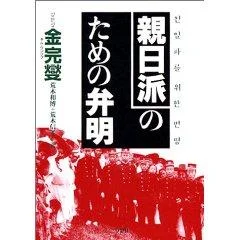
Amazon product ASIN 479421152X
SK government is afraid of historic truth. In this sense, SK is similar to North Korea. But SK governemtn is unlikely able to keep blocking accurate information that penetrate the country. More Korean tourists are visiting Japan, and people have more chance to see truth via internet and books from Japan. SK will face more history dilemma.
I am very interested in how Korean overcome such history dilemma.
Under the Japanese rule, Korean lost their pride or wounded because they believed it was superior to Japan, while it was not.
So since its independence, "anti-Japan" has become Korean National Policy. In fact, until some 10 years ago, S Korea banned Japanese film, literature, anything about culture. Anti-Japan policy worked somewhat especially to encourage own people for its economic growth.
SK's anti-Japan policy was not an issue for Japan because SK relied on Japanese technology and exports. Japan has continued to benefit from SK, and SK has been a good customer of Japan. And Japan thought SK's anti-Japan sentiment would disappear soon or later when SK adopt democracy and freedom of speech.
However, things didn't go well, but got worse. Usually "democrats" are liberal, not nationalistic and pro-freedom of speech in most of countries, but in S Korea, democrats are ultra-nationalistic.....
In fact, during President Roh Moo Hyun regime, SK enacted "Special law to redeem pro-Japanese collaborators' property", in December 2005, which allows SK government to confiscate properties and land of Korean collaborators (chinilpa) to the Japanese government during or shortly before Japanese colonization, or of their descendants. Prosecution against Chinilpa (Pro-Japan Korean collaborators) has been getting more tough. And any claims about Pro-Japan are now bashed and banned in S Korea. Chinilpa - Wikipedia
In this sense, SK is not a democratic country yet and no freedmon of speech.
However, fabrication of history and propaganda cannot last forever. Although still small, some Koreans begin to speak out about historic truth between Japan and Korea.
"An apology for the Chinilpa" of Kim Wansop is the typical example. It is the first book that is written fairly by Korean intellectual about the history of Japan and Korea. This book was banned in S Korea in 2004 before publication but publicized in Japan.
Amazon product ASIN 479421152X
SK government is afraid of historic truth. In this sense, SK is similar to North Korea. But SK governemtn is unlikely able to keep blocking accurate information that penetrate the country. More Korean tourists are visiting Japan, and people have more chance to see truth via internet and books from Japan. SK will face more history dilemma.
I am very interested in how Korean overcome such history dilemma.