News Noodles and other cheaper staples overtake rice

thomas

Unswerving cyclist
Admin
Joined
14 Mar 2002
Messages
21,050
Reaction score
18,904
This is probably not what JA and the rice lobby had in mind!

Japanese consumers are increasingly turning away from expensive rice in favour of more affordable staples, such as noodles, signalling what some retailers and analysts see as the beginning of a broader shift in the nation's eating habits. In response, supermarkets and convenience store chains are increasing their development and production of alternative meal options designed for budget-conscious shoppers. With AI-based market forecasts predicting that rice prices will remain high for the foreseeable future, businesses are adjusting accordingly.
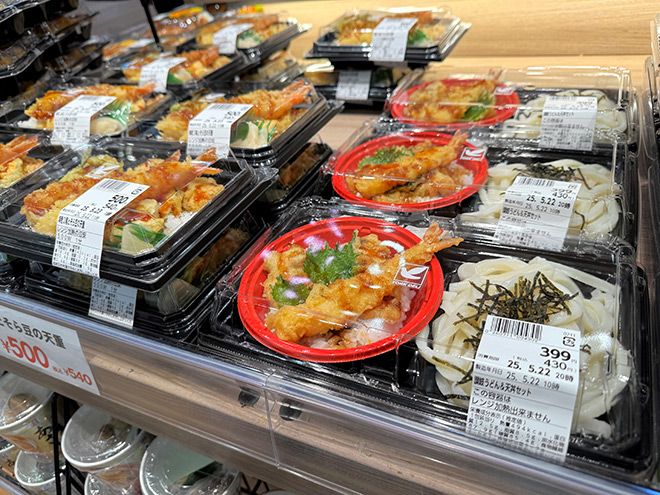
Noodles and other cheaper staples overtake rice

Udon and tempura rice bowl combo meals (photo credit: Ito Sho via Asahi


Ito-Yokado Co., a leading supermarket chain, has expanded its lineup of combination meals that pair udon noodles with rice bowl dishes, known as donburi (丼もの). While perennial favourites such as tendon and steamed rice topped with tempura continue to be offered, the company introduced new varieties in March, including sauce katsu-don —a rice bowl topped with a breaded pork cutlet and tangy Worcestershire-style sauce —and karaage-don, which features fried marinated chicken. These meals are priced at 430 yen (including tax) and have proven popular with consumers.

Amid a continuing rice shortage and rising prices, major food manufacturer Nisshin Seifun Group Inc. reported a notable increase in shipments of pasta and pasta sauces. During a recent earnings briefing, executives noted that pasta sales for fiscal 2024 increased by 3.4% compared to the previous year. They attributed this growth in part to pasta's adaptability in flavour and sauce pairings, which appeals to consumers seeking more variety in their meals. Some supermarkets, facing persistent rice shortages, have reportedly begun steering customers toward pasta as an alternative. At Pietro Co., a Fukuoka-based company specialising in pasta sauces, sales of related products rose sharply by approximately 30% year-over-year in fiscal 2024. Company leadership noted that the frequency of pasta appearing at dinner increased by around 15% in February, with higher rice prices playing a significant role in the trend. Even basic noodle toppings and condiments have seen heightened demand as consumers adjust their eating habits.

 
With the early end of the rainy season and the heat rising during the day, cold somen noodles are becoming a staple for lunch at home. Somen is rarely served in restaurants, so it's not well known among foreigners, but it is a traditional dish that has been eaten since the Nara period .
 
😋 I had big portions of somen today and yesterday. The perfect summer food.
 
Due to rising costs, Hiyashi chūka is slowly disappearing from local menus, with many Chinese restaurants reportedly having to increase their prices. In some cases, owners are said to have decided not to offer the seasonal dish at all this year, announcing before summer began that they would no longer serve the popular chilled Chinese noodle dish.

Hiyashi chūka

The price for the regular hiyashi chuka was 950 yen (roughly $6.50) until 2022, then rose to 1,050 yen ($7.10) in 2023, and to 1,200 yen ($8.10) in 2024, with a further rise to 1,300 yen ($8.80) in 2025. Soaring ingredient costs drive the price hikes.

 
Wait, I thought noodles were supposed to be a cheaper staple than rice. What's driving the increase for hiyashi chuka?
 
Wait, I thought noodles were supposed to be a cheaper staple than rice. What's driving the increase for hiyashi chuka?

Increasing prices of raw materials, ingredients and labour:

On July 18, pork traded at 948 yen per kilogram at the Tokyo Metropolitan Central Wholesale Market, the highest since records began in 2000. Additionally, according to major egg wholesaler JA.Z-Tamago. Co., the wholesale price of medium-sized chicken eggs in the Tokyo area was 328 yen per kg in July, significantly exceeding the July average of 224 yen from 2020 to 2024. Moreover, hiyashi chuka requires more preparation and cooking effort. While ramen typically uses about four ingredients, chilled Chinese noodles involves around 10. With rising labor costs, the manual tasks of evenly slicing cucumbers and char siu, and using 70 to 80 kg of ice daily to chill the noodles, are significant burdens. Bazoku manager Mitsutaka Mori reveals, "We can't easily stop because of our loyal customers who come every year, but hiyashi chuka costs two to three times more in terms of outlay and labor compared to hot noodle dishes, and the profit margin has significantly decreased."
 
Japan is turning to pasta and cereal.

A Tendon Tenya winter item with crab and pufferfish with soba noodles.

A Tendon Tenya winter item with crab and pufferfish with soba noodles.


As rice prices remain high, restaurants and supermarkets have begun promoting alternatives such as soba, barley, and pasta to appeal to shoppers who are paying closer attention to food costs:
  • Tendon Tenya chain has been increasing the number of soba-based menu items, including set meals that pair soba noodles with tempura rice bowls, to ease the impact of rising rice prices on its core tendon offerings while encouraging customers to spend slightly more per visit. Masataka Abe, the president of Royal Holdings Co., which runs the chain, said that higher ingredient costs had at times made price rises unavoidable, and that the company intended to respond by actively proposing alternative products.
  • Major supermarket operator Summit Inc. is seeing a decline in rice sales while customers increasingly turn to cheaper options such as pasta, bread and rice noodles. President Tetsuya Hattori said that the company was actively pushing these products in response to the shift.
  • Lawson Inc. increased its barley purchases by about 20% from the previous fiscal year to expand its range of barley onigiri. The company views barley as more price-stable than rice and better suited to current health-oriented preferences, noting that demand for lower-priced barley products has been strong. Fumiki Mizushima, who oversees ready-made meals in Lawson's product division, stated barley procurement would be increased further and that preparations were underway to broaden the selection of bread and noodles as alternatives to rice.
 
Good. Japanese rice producers are taking the piss out of consumers, and they deserve to see demand for their product fall. I was at a small rice farm (run as a hobby, not for profit) in Ibaraki at the weekend, and the owner assured me that the harvest was normal this year. There's absolutely no justification for the continued high prices.
 
Ishiba is right. It's mind-boggling to see Takaichi revert to the same old LDP policy of subsidising rice farmers instead of rebuilding a more resilient food system.

We only used to eat genmai, but prices have increased by 63% over the last year! So if we prepare rice, it's usually basmati (not necessarily cheaper but tastier). Take that, Madame PM!
 
For some reason my wife can't live without white rice even though she knows it's unhealthy for her (as the blood tests indicate). We have it with almost every meal unless it's spaghetti or udon.
 
Back
Top Bottom