


- 14 Mar 2002
- 21,050
- 18,904
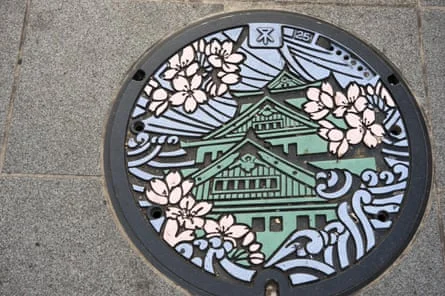
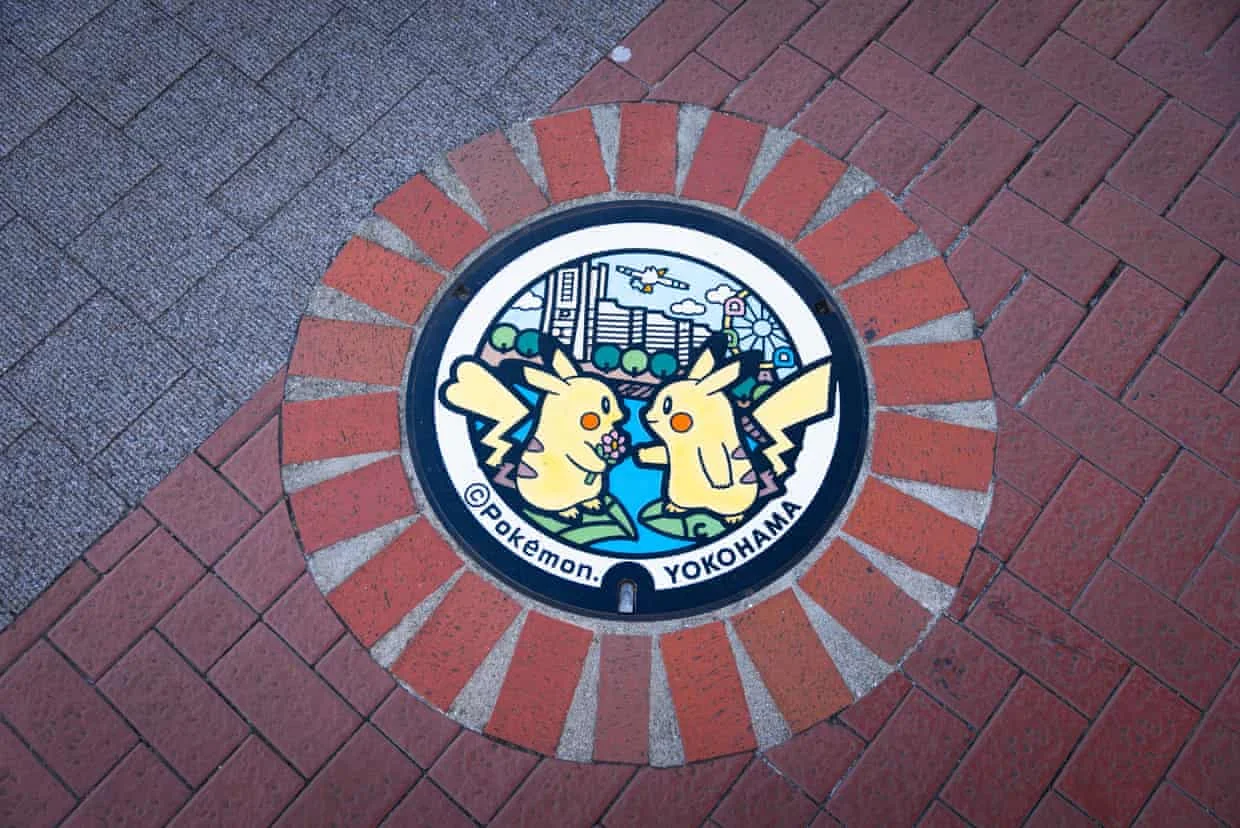
In Japan, manhole covers are highly coveted works of art, symbols of regional pride, and now, sources of revenue. The Guardian on Kyoto City's plans to sell obsolete manhole covers to cash in on the public's fascination with the decorated pieces.

 www.theguardian.com
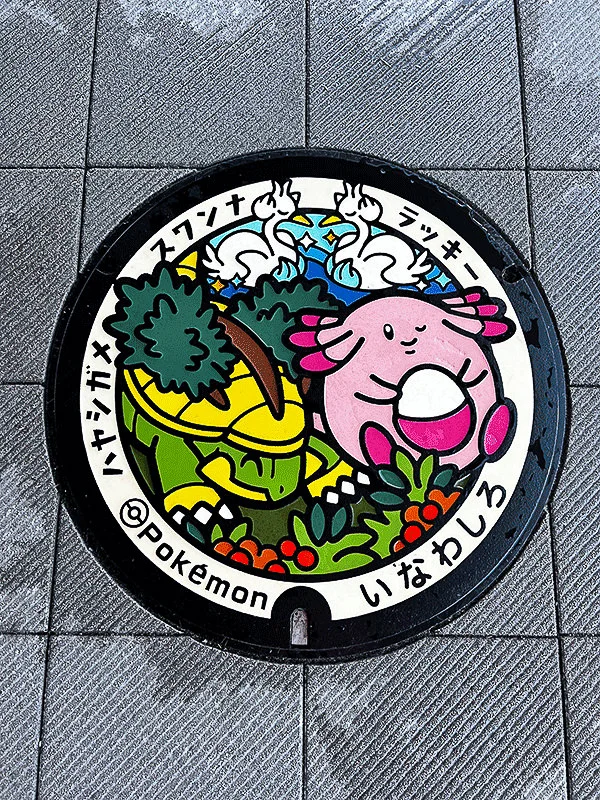
A Pokemon manhole cover we found this summer at Inawashiro Michi no Eki in Fukushima:
Local authorities are cashing in on the public's fascination with the country's decorated manhole covers, with Kyoto now joining a list of locations that are putting obsolete lids up for sale. The city's government has said it will sell iron manhole covers to members of the public for the first time, according to the Mainichi Shimbun. Local authorities are cashing in on the public's fascination with the country's decorated manhole covers, with Kyoto now joining a list of locations that are putting obsolete lids up for sale. The city's government has said it will sell iron manhole covers to members of the public for the first time, according to the Mainichi Shimbun. At JPY 3,000 (USD 20) apiece, the covers – manufactured in 1978, 1981 and 1990 – would be considered a steal by collectors keen to own a slice of the city's history in the form of a 90kg piece of industrial art. According to media reports, new manhole covers cost around JPY 60,000 each.
The eastern city of Maebashi attracted a flood of applications after it put 10 manhole covers on sale in 2017, with almost 200 potential buyers, including from people living outside the city, according to the Kyodo news agency.
Tokorozawa, a city north of Tokyo, is one of several municipalities to have cashed in on the manhole craze. In 2018, it came up with the idea of commercialising the items when it invited firms to advertise on manhole covers in an attempt to finance its heavily indebted sewage management system.
Manhole covers become collector’s items in Japan
Kyoto to sell its obsolete manhole covers in a bid to cash in on the public’s fascination with the decorated pieces
A Pokemon manhole cover we found this summer at Inawashiro Michi no Eki in Fukushima:


