


- 14 Mar 2002
- 21,056
- 18,911
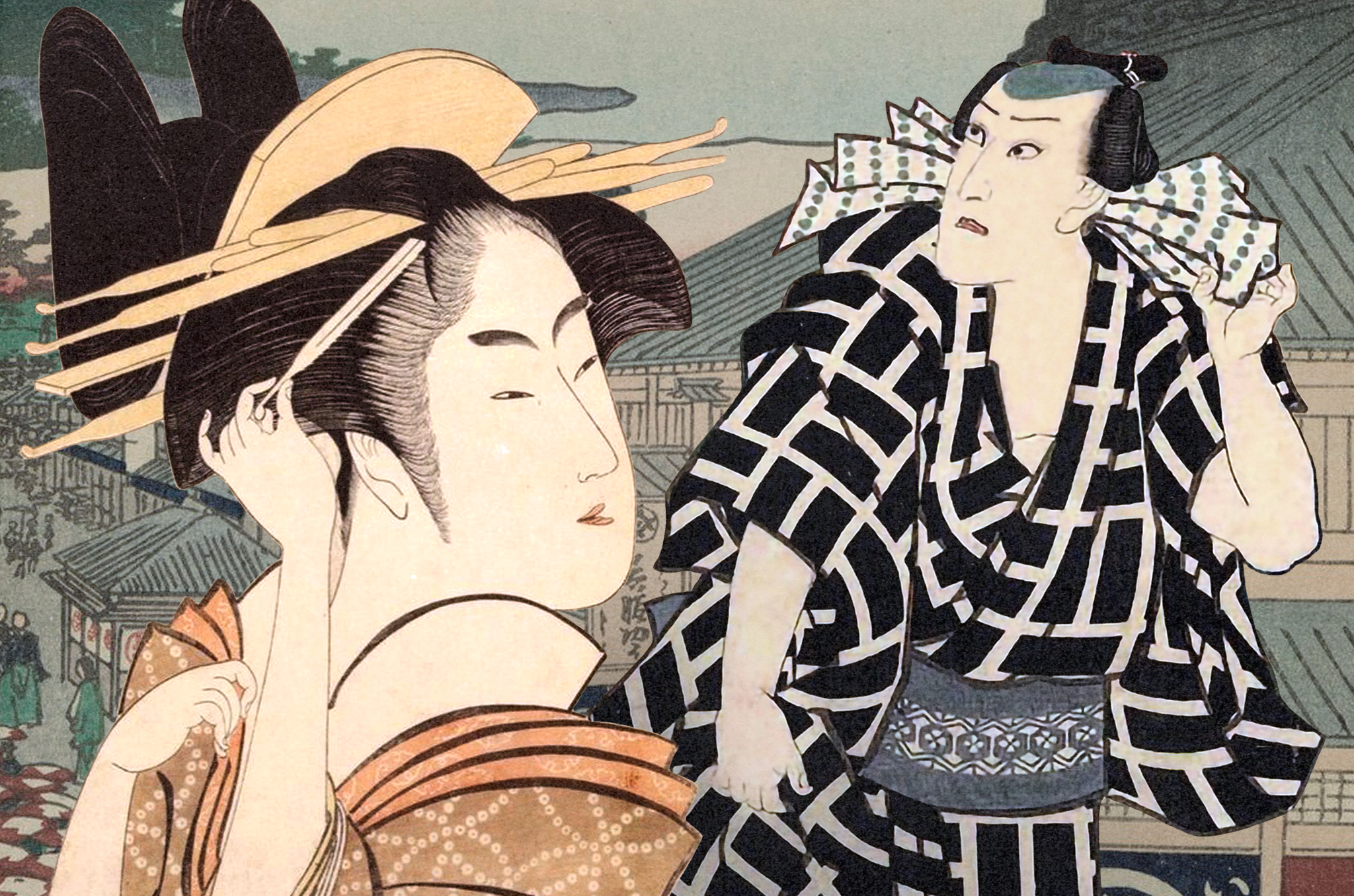
"A Guide to Being Cool During the Time of the Samurai ," presented by the Tokyo Weekender.
Nowadays, Osaka is probably more boisterous than Tokyo. And it's hard to find a true Edokko. The yabo have taken over the capital.
 www.tokyoweekender.com
In the early 17th century, Tokugawa Ieyasu concluded his unification of Japan, ending the bloody Sengoku period and allowing the people of Edo — modern-day Tokyo — to focus on the really important stuff: defining what exactly made a person "cool." It took them a while, but by the 18th century, the Edokko, natives of the biggest city in Japan and also the world, had finally cracked it.
After over a century of thought, the Edokko decided that what made a person "cool" was … being an Edokko. What an amazing and lucky coincidence for them. Of course, not everyone from Edo counted as a true native son of the city. So, what defined an ideal and therefore cool Edokko? Initially, it was "being unlike those old fogeys in Kyoto and Osaka." The image of a true citizen of Edo was first defined as the opposite of the aristocrats of Kyoto and the financiers of Osaka. While they were ancient and traditional and safe and cautious, an Edokko was modern, exciting, open to new ideas, fast in speech and always on the go. The city's boisterous merchant culture contributed greatly to this emerging Edokko identity. With time, the idea evolved slightly, until it wasn't enough to just NOT be from Kyoto and Osaka; you also couldn't have any traces of the countryside. An Edokko was urbane. His greatest enemy was the uncool country bumpkin (called a yabo).
Nowadays, Osaka is probably more boisterous than Tokyo. And it's hard to find a true Edokko. The yabo have taken over the capital.
A Guide to Being Cool During the Time of the Samurai
A look into what was considered "cool" during the time of the samurai, which included following certain aesthetic principles.


