- 14 Mar 2002
- 21,050
- 18,903
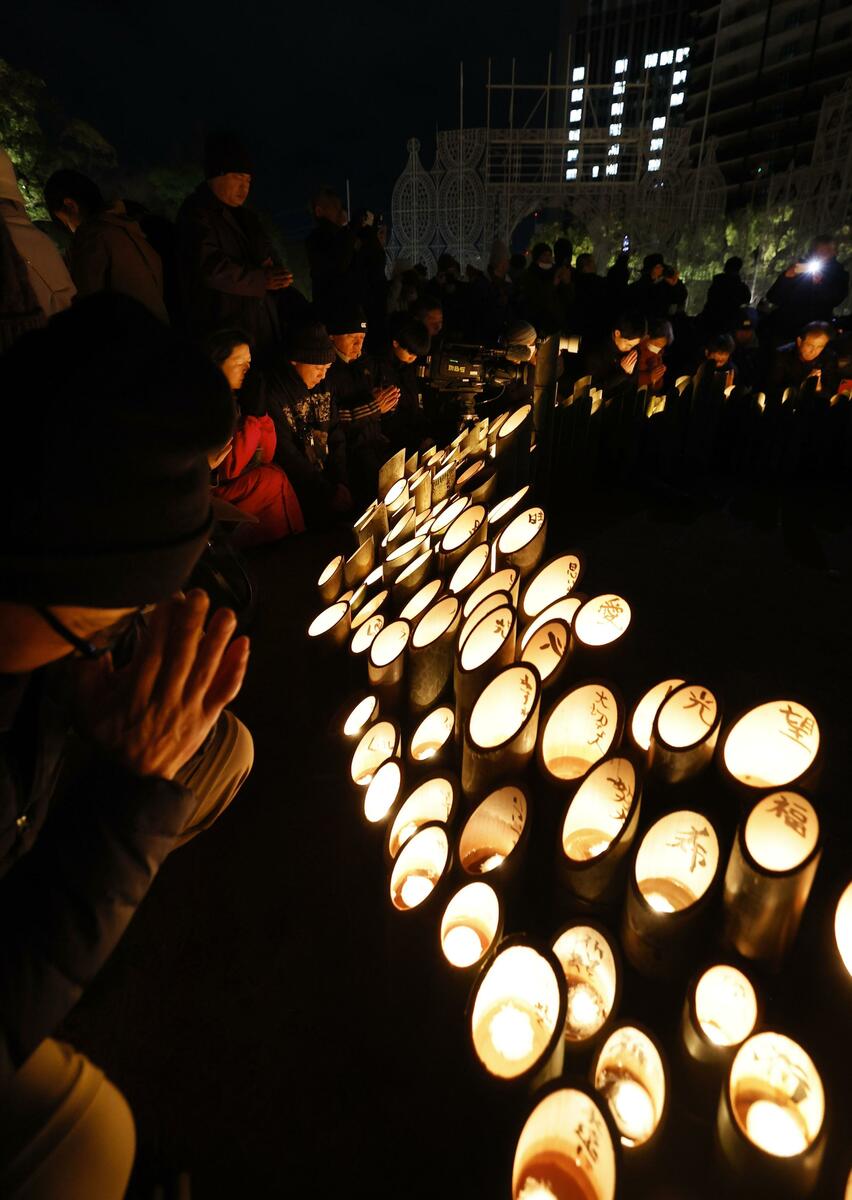
Thirty years have passed since the Great Hanshin Earthquake (兵庫県南部地震 Hyōgoken'nanbujishin). This magnitude 7.3 tremor tragically claimed over 6,400 lives in Kobe and its vicinity. On Friday, residents and families of victims gathered to remember the devastating event. A moment of silence was observed at 5:46 a.m. when the earthquake struck on 17 January 1995. These commemorations aim to keep the memory alive and reinforce Japan's crucial need for disaster preparedness.
 english.kyodonews.net

 mainichi.jp
A separate ceremony is planned by Hyogo Prefecture, with Emperor Naruhito and Empress Masako expected to attend. The Kobe quake injured about 43,800 people and damaged or destroyed roughly 640,000 homes. As many as 310,000 people sought refuge in emergency shelters after the quake, and criticism of the government's initially slow response has spurred efforts to strengthen crisis management over the years. People were shocked by TV images of the 1995 devastation, including a collapsed highway. Post-quake fires also destroyed 7,574 buildings. Drawing on lessons from the quake, the government has implemented measures to improve disaster response, including establishing a crisis management center at the prime minister's office. The quake prompted enactment of a law to provide post-disaster assistance to affected residents and spurred the widespread adoption of earthquake insurance.
Japan marks 30 years since Kobe quake that killed over 6,400
The western Japan city of Kobe and nearby areas on Friday marked the 30th anniversary of the magnitude-7.3 earthquake that killed over 6,400 people, with many hoping to keep alive the memories as the devastating event continues to teach the importance of enhancing preparedness in the...
Japan marks 30 years since Great Hanshin Earthquake that killed over 6,400 - The Mainichi
KOBE (Kyodo) -- The western Japan city of Kobe and nearby areas on Friday marked the 30th anniversary of the magnitude-7.3 earthquake that killed over