


- 14 Mar 2002
- 21,050
- 18,903
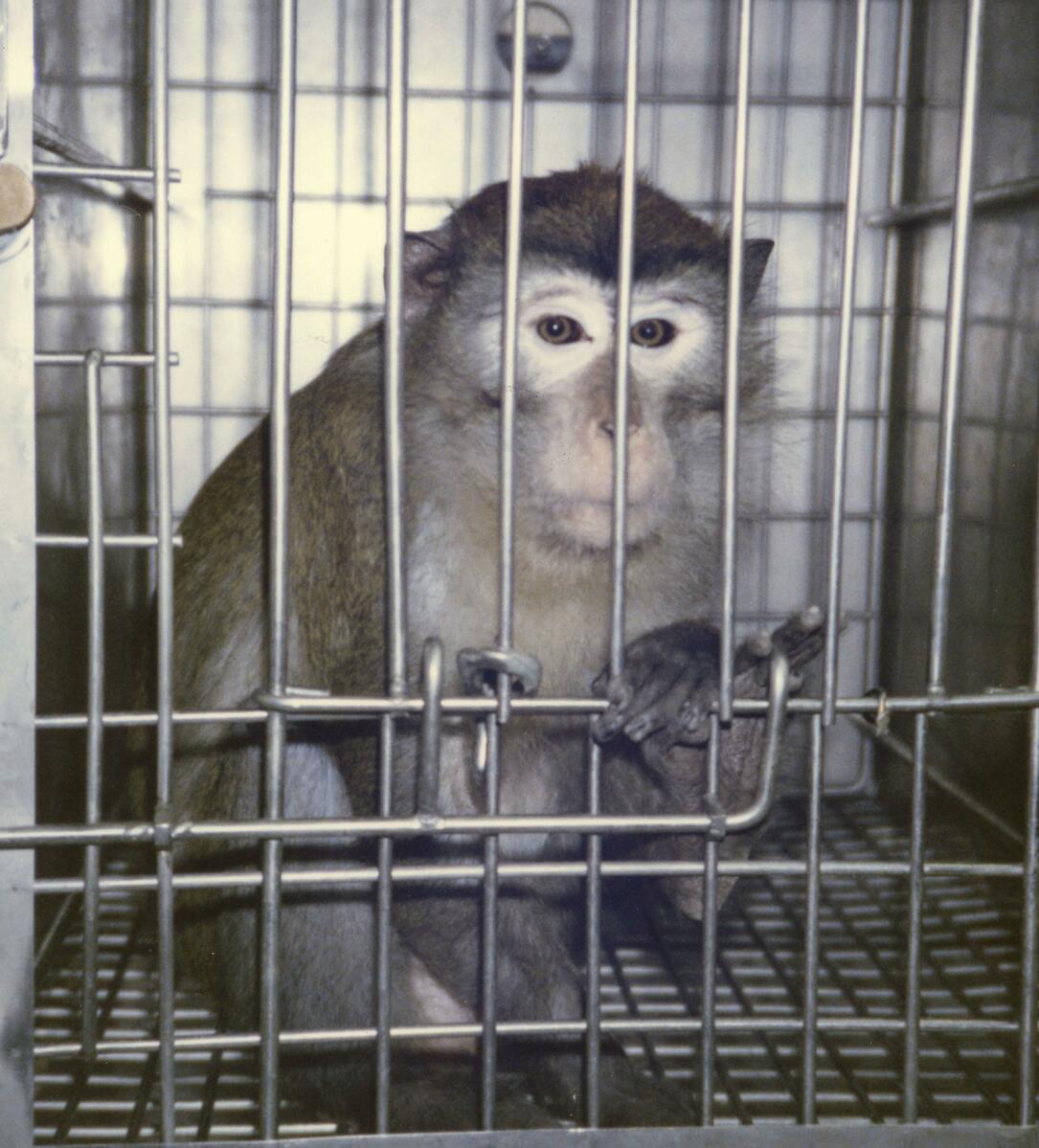
According to Kyodo, few Japanese companies disclose information about the animal testing they engage in. While Japanese universities begin to shun the use of live animals in experiments, there is little public awareness about the downsides of the practice.
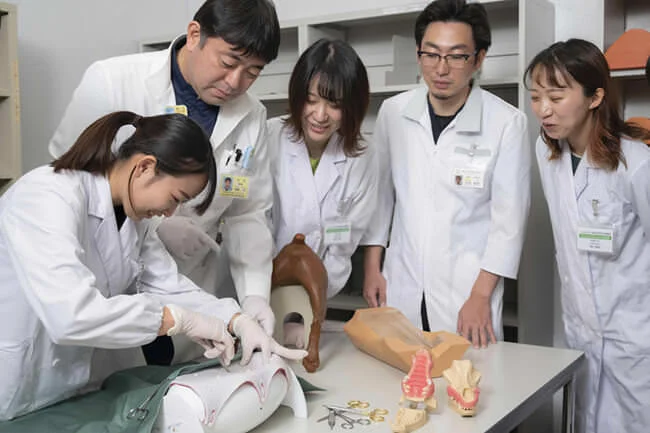
Students of Gifu University's Center for the Development and Promotion of Joint Veterinary Education use
a "biological model" for surgical practice during a procedure in November 2021.
And:
 english.kyodonews.net
[...] In Japan animals are still subject to needless pain and sacrifice, a situation that seems unlikely to change any time soon. Only four (!) companies in Japan are known to refrain from testing on animals and hold certification from the international animal rights organization People for the Ethical Treatment of Animals. Laila Imai, the spokesperson for PETA Asia, pointed out that few companies in Japan disclose information on animal testing, and thus "it is difficult to have a constructive debate" about the issue. In fact, the number of certified companies in Japan has not even reached 0.1 percent of the total. Gifu University's Center for the Development and Promotion of Joint Veterinary Education decided at its students' request to use surgical videos and sponges as substitutes for living organisms during surgical training procedures. It has done so now for around a decade. However, the decision means it is difficult for students to acquire sufficient surgical skills, so in April 2022, a "biological model" was obtained through crowdfunding. It is a close representation of what they would encounter when performing actual surgery.
Students of Gifu University's Center for the Development and Promotion of Joint Veterinary Education use
a "biological model" for surgical practice during a procedure in November 2021.
And:
"There are many sacrifices behind daily necessities. We need to continue telling people that animals have lives and rights, too," PETA's Imai said.
FEATURE: Japan remains global laggard in fight against live animal testing
Although universities in Japan are beginning to shun the use of live animals in experiments, few companies disclose information about the animal testing they engage in and there is little public awareness about the downsides of the practice.


