


- 14 Mar 2002
- 21,050
- 18,903
Last December, a veritable "Imperial wallet frenzy" caused a shortage of the modest leather wallets sold at two shops in the Imperial Palace East Gardens, with crowds of visitors often queuing up all night in freezing temperatures.
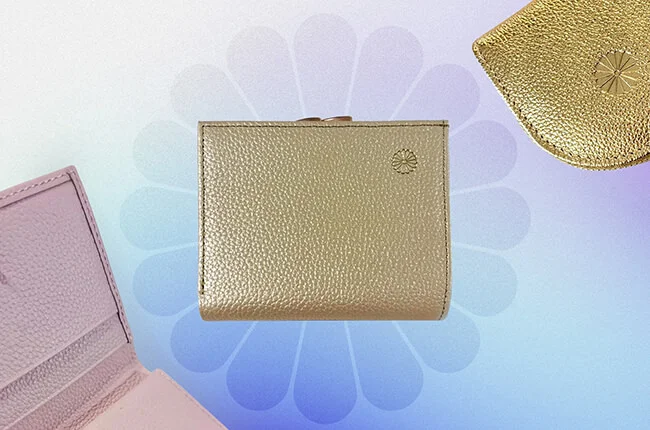
Photo credit: Tokyo Weekender
 www.tokyoweekender.com
And here's the good news: Kikuyō Bunka Kyōkai (菊葉文化協会), the cultural association that sells items linked to Japan's Imperial Family, is discussing with the Imperial Household Agency whether to resume sales of the so-called Imperial Palace wallets and purses. Sales were suspended late last year after demand surged. The items had been sold at shops in the East Gardens of the Imperial Palace in Tokyo's Chiyoda Ward. Growing crowds made it difficult to manage customers, and displays of the wallets and purses were halted on 22 December.
The Shōwa Memorial Museum in Tachikawa, western Tokyo, and the Kyoto Imperial Palace, which also stocks the wallets and purses, faced similar crowds and halted sales late last year. The association says talks with the Imperial Household Agency are continuing as it seeks to restart sales.

 mainichi.jp
Photo credit: Tokyo Weekender
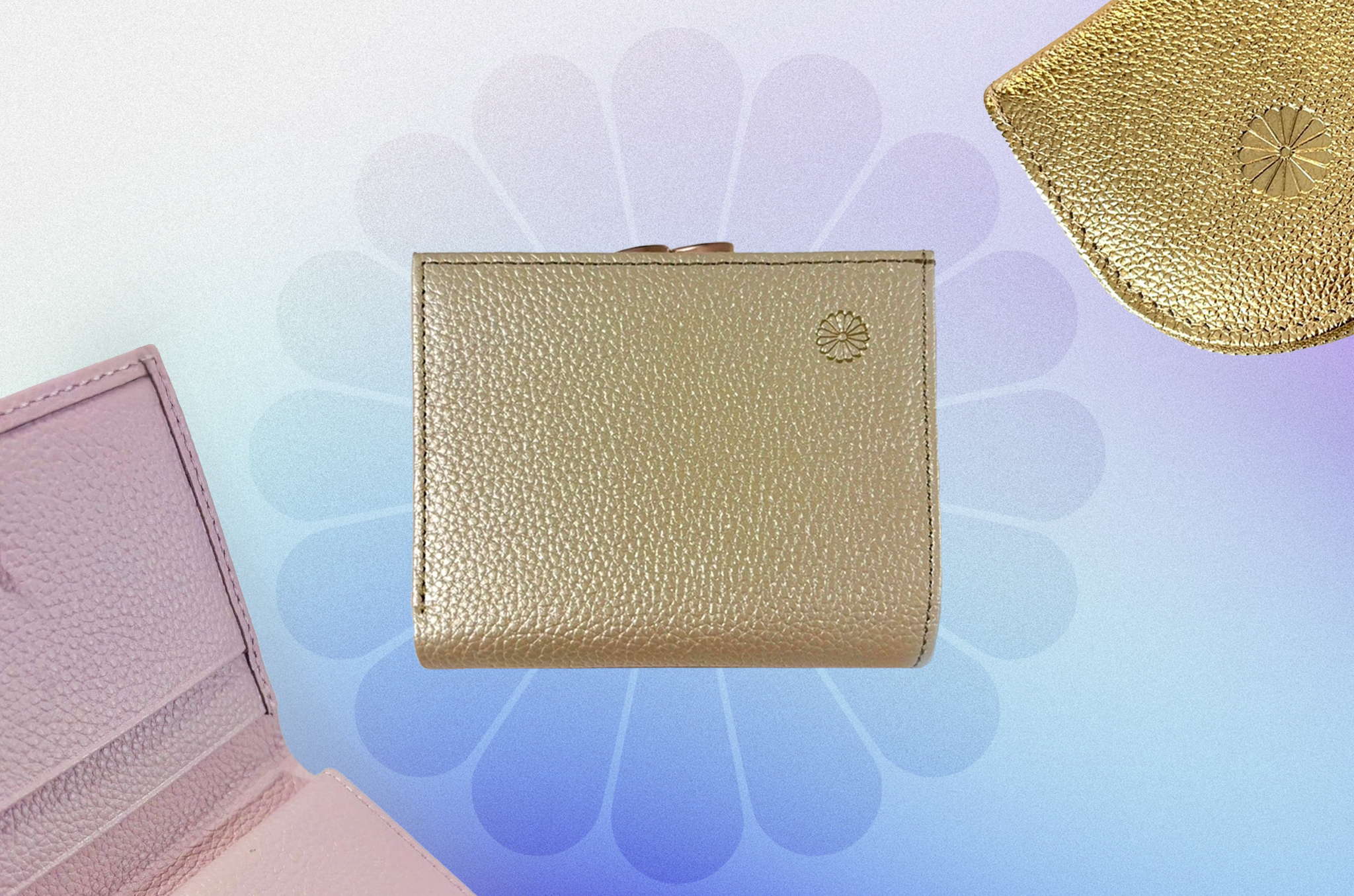
Appearance-wise, the wallets are disarmingly simple. They feature the chrysanthemum crest, a symbol of the Imperial Household, and come in a range of styles, including clasp wallets, long wallets, and coin purses, priced from around ¥1,200 to ¥5,000. So why the obsession? Part of it is quality. Made from genuine leather with careful stitching and solid construction, the wallets are still reasonably priced compared to high-brand counterparts. Shoppers consistently remark on how "luxurious" they feel in hand despite their unassuming appearance. Then there's the simple design: The wallets come in gold, silver, yellow and also pastel hues like pink-beige and muted neutrals. Steering away from flashy logos or decorations, they are embellished only with a tiny chrysanthemum motif in gold foil. These wallets aren't mass-produced either, with only around 100 made per day. At the same time, their surprisingly low price point is also intentional. According to the Kikuba Cultural Association, which oversees the sales, the organisation operates as a public interest foundation and does not prioritise profit. By sourcing wallets directly from contracted factories, they can keep costs down without compromising on materials or craftsmanship.
Why Japan Is Curently Obsessed With Official Imperial Palace Wallets
The official Imperial Palace wallets have become an object of obsession, drawing hundreds of people into all-night queues.
And here's the good news: Kikuyō Bunka Kyōkai (菊葉文化協会), the cultural association that sells items linked to Japan's Imperial Family, is discussing with the Imperial Household Agency whether to resume sales of the so-called Imperial Palace wallets and purses. Sales were suspended late last year after demand surged. The items had been sold at shops in the East Gardens of the Imperial Palace in Tokyo's Chiyoda Ward. Growing crowds made it difficult to manage customers, and displays of the wallets and purses were halted on 22 December.
An association representative said, "They were featured in TV programs in succession, and interest seemed to grow due to their perceived 'good luck.'" Apparently, there were days when more than 1,000 people lined up before the gardens' opening, and on other nights, seven or eight people began waiting in line late at night. The association, established in 1993 as a foundation, had been selling these wallets and purses for some time but had "no recollection of them having experienced this much popularity," the representative said, bewildered. "At one point, we issued numbered tickets, but our limited number of staff couldn't handle the situation. We couldn't ensure the safety of customers lining up overnight, so unfortunately, we had to suspend sales," the representative told the Mainichi Shimbun.
The Shōwa Memorial Museum in Tachikawa, western Tokyo, and the Kyoto Imperial Palace, which also stocks the wallets and purses, faced similar crowds and halted sales late last year. The association says talks with the Imperial Household Agency are continuing as it seeks to restart sales.
Talks underway to resume sales of super popular 'Imperial Palace wallets' in Japan - The Mainichi
TOKYO -- The cultural association that sells goods related to Japan's Imperial Family has been in discussions with the Imperial Household Agency to re


