


- 14 Mar 2002
- 21,050
- 18,903
I'm curious to see how angrily China and Japan's new-found friend, South Korea, will react to Mr Kishida's "offering". Also, I am unsurprised that a Nazi sympathiser like Mrs Takaichi should visit there in person.
Here's the spirit:
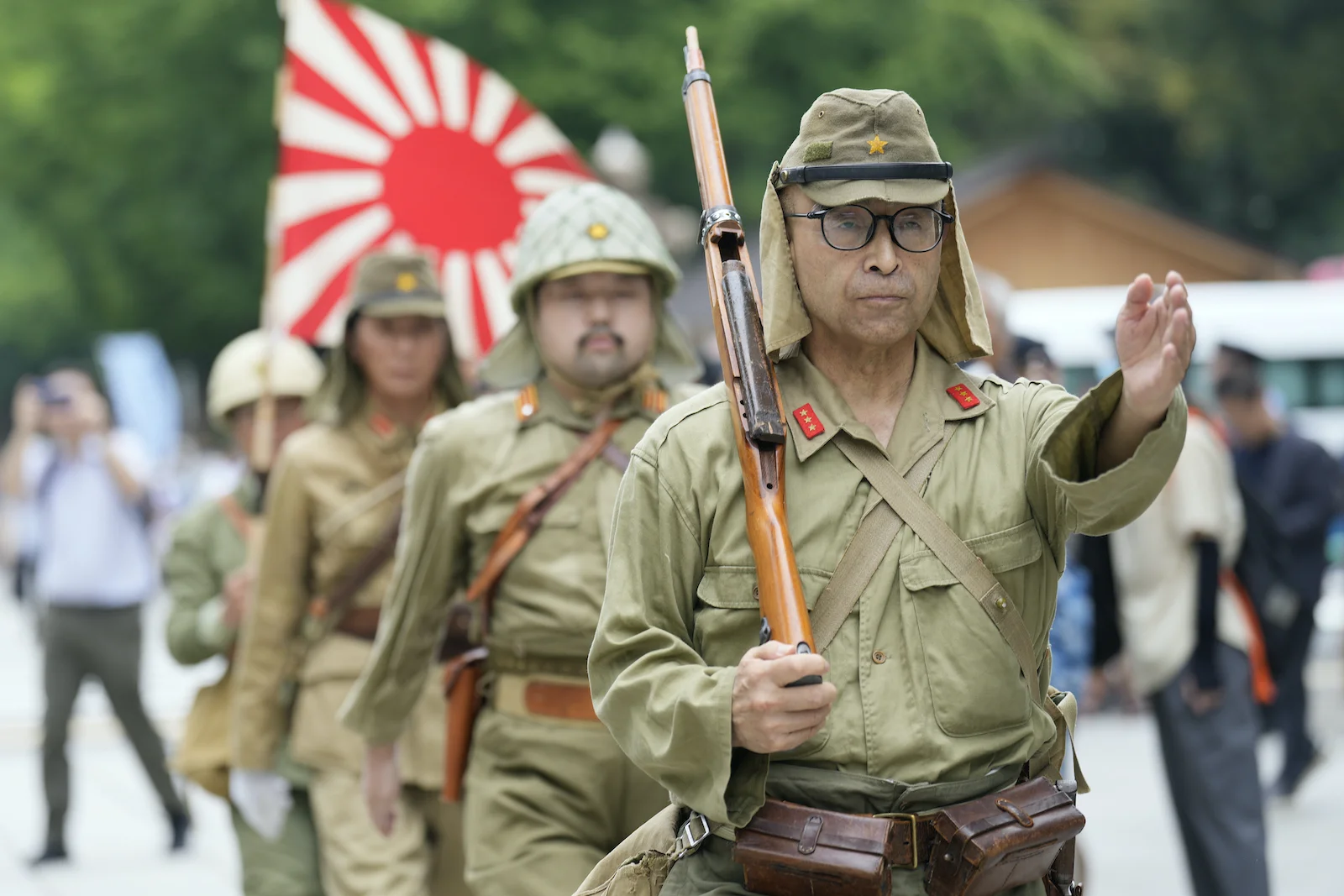

 english.kyodonews.net
Here's the spirit:
Prime Minister Fumio Kishida on Tuesday sent a ritual offering to the controversial Yasukuni shrine in Tokyo, seen by some as a symbol of Japan's past militarism, as the nation marked the 78th anniversary of the end of World War II, a ruling lawmaker said. Economic security minister Sanae Takaichi, meanwhile, visited the Shinto shrine, marking the fourth consecutive year that a Cabinet member has offered prayers at Yasukuni on the anniversary of Japan's surrender in the war. Kishida sent the "masakaki" offering to the shrine, a source of diplomatic tension with China and South Korea. The prime minister, who heads a dovish faction within the conservative ruling Liberal Democratic Party, is likely to eschew an in-person visit as he has done previously.
Japan PM Kishida sends offering to Yasukuni shrine on WWII anniv.
Prime Minister Fumio Kishida on Aug. 15 sent a ritual offering to the controversial Yasukuni shrine in Tokyo, seen by some as a symbol of Japan's past militarism, as the nation marked the 78th anniversary of the end of World War II, a ruling lawmaker said.


