Need a word or phrase translated?

1)生きてるうちが花なのさ。死んで花実が咲くものか。
I do not understand the structure 花なのさ here so can not translate it :(
That's a kind of proverb.

花なのさ = 花なのだ/花なんだ
the form for explanation/predication

2)私ができ得る限りのことは、喜んでいたしましょう.
I don't think that we can use でき得る here so I have no idea of the meaning of ができ得る限りのこと.
でき得る(dekiuru) = できる (でき得る sounds more literary.)
私ができ得る限りのことは = 私のできることは全て/全部

3)先生の丁寧な教え方のおかげか、このクラスには落ちこぼれの学生は一人もいません.
Why do we use おかげか here ? If I use おかげで , will the meaning be changed ?
おかげか connotes that "先生の丁寧な教え方" is one of the reasons. That might be the words of 先生's superior, just my impression.

So eochanghy san have been studying Japanese at least more than four years. That's why the constructions of sentences that you learn are so complicated/delicate.;-)
 
Dear Toritoribe san,
Thanks for your help!
The fact is that I have learned Japanese for about 5 years, however, lack of talents and focus makes my Japanese ability so terrible. :(
Now I have come to Japan and faced many difficulties in communicating with native people. In fact, the difference between what I have learned from text book and what Japanese people use in talking is also problem. Now I am trying to catch the structure in daily Japanese so I have other questions 😌
1)散歩がてら、タバコをかいにいきます。
While walking around, (I) buy cigarettes.
If I use したら or 間に will the meaning be changed ?
散歩したら、タバコをかったりします。
散歩の間に、タバコをかいにいきます。
2)大きな魚をとり逃したんだって?
I do not understand the words したんだって here.
3)詰めが甘かったと言おうか、何と言おうか、契約までもう一歩のところまで行っていたんだが.
This sentence follows the sentence in 2) . What does おうか do here ? The same question for いたんだが
I have asked my friends about some structures but because they could not speak English so the explanation is vague.
有難うございます。
 
My friend wrote this..
Ano hito wa pasokon yousuru.
trying to say "she has a computer" (I know it's not correct...)
But what does yousuru mean?
 
my friend wrote this..
Ano hito wa pasokon yousuru.
trying to say "she has a computer" (i know it's not correct...)
but what does yousuru mean?

I guess your friend is not a native speaker...?
yousuru means "to be required" (not to require) and it does not fit in this sentence.
Also it sounds very formal, so it does not sound natural in such a sentence.

I think s/he meant to say
ano hito wa pasokon ga hitsuyou desu
(that person needs a computer)
or
ano hito wa pasokon wo hoshigatte imasu.
(that parson wants a computer)

To say "have", you can use "motteimasu".
i.e. ano hito wa pasokon wo motte imasu.
 
What's this mean?

たおれこみ

Like, in this sentence

つめたいくさのうえにたおれこみ

たおれこむ means "to fall (onto)", so I thought possibly it could be that, but if so, why does it end with 'mi'?

Thanks!
 
Simple phrase I would like translated (I can't imagine how many of these you get lol)

I've been working on trying to translate:

I lived, learned, loved, and lost

babel fish translated it as:
私は住み、学び、愛し、そして失った
however that I believe is translated as: I lived, learned, dearly, and lost

I think: 濃いすった is loved in Kanji, but I'm not certain at all.

So I tried before I came to ask you but I'd really appreciate it if you could translate: I lived, learned, loved, and lost

Thanks so much!
-Ben
 
Tomii> 込む (こむ) is typically attached to regular verbs to form a compound verb. It can then imply several meanings.. One is into.. like in 飛び込む (とびこむ) meaning to jump into (something) or to plunge. Another can represent completeness or thoroughness as in 煮込む (にこむ) meaning to stew.. in contrast to 煮る (にる) just simply meaning to simmer. The last that i can think of is that it can mean to stay fixed, or in the same position such as in 座り込む (すわりこむ) to stay seated, or 黙り込む (だまりこむ) to fall or remain silent.
So yes たおれこむ is to fall onto something. As for the ending in み part i think it is quite common to see verbs ending in their い form when continuing a thought without ending a sentence. It can sometimes be used to form a noun too. such as in 痛み (いたみ) pain, from the verb 痛む or 思いこみ stereotype, from 思いこむ
 
What's this mean?
たおれこみ
Like, in this sentence
つめたいくさのうえにたおれこみ
たおれこむ means "to fall (onto)", so I thought possibly it could be that, but if so, why does it end with 'mi'?
Thanks!
たおれこみ is conjugation of the verb たおれこむ.
When used in the middle of a sentence, this conjugation is used, so when one hear たおれこみ, one expect something that follows to complete the sentence.
Like,
冷たい草の上に倒れこみ、そして泣いた。
She fell onto the cold grass, and cried.
Sometimes this form is used (title of a song or a novel) for aiming certain effect in literature.
 
In fact, the difference between what I have learned from text book and what Japanese people use in talking is also problem.
Exactly. Actually, native speakers do NOT use "text book like" conversations in daily life, perhaps in most of languages.;-)

1)散歩がてら、タバコをかいにいきます。
While walking around, (I) buy cigarettes.
If I use したら or 間に will the meaning be changed ?
散歩したら、タバコをかったりします。
散歩の間に、タバコをかいにいきます。
散歩がてら = 散歩を兼ねて、散歩のついでに

This sentence is a bit ambiguous. Probably it will be used in "I'll go from now" context such as "散歩がてら、これからタバコを買いに行きます/買いに行ってきます" in my impression. If so, it would be the answer to the request for buying cigarettes, just like "No problem. I'd like to walk around just now, so I'll buy cigarettes on the way." I mean, it might be used as the same meaning of "Don't mention it", just my imagination...😌
(In fact, the structure "○○がてら、××してきます" is often used in such context.)

"散歩したら、タバコをかったりします" sounds like a sort of "custom" such as "散歩をしてるときに、よくタバコを買います".

2)大きな魚をとり逃したんだって?
I do not understand the words したんだって here.
んだって shows that the speaker knows about the fact "大きな魚をとり逃した" by hearsay.

3)詰めが甘かったと言おうか、何と言おうか、契約までもう一歩のところまで行っていたんだが.
This sentence follows the sentence in 2) . What does おうか do here ? The same question for いたんだが
~と言おうか、何と言おうか = ~と言うか/~と言うべきか
a kind of set phrase

行っていたんだが = 行っていたのに
The adversative conjunction. The prase following "行っていたんだが", such like "駄目だった/契約できなかった", is omitted.


Hope these help your communication even a little. And enjoy your staying in Japan.:-)
 
Last edited:
I've been working on trying to translate:
I lived, learned, loved, and lost
babel fish translated it as:
私は住み、学び、愛し、そして失った
however that I believe is translated as: I lived, learned, dearly, and lost
I think: 濃いすった is loved in Kanji, but Im not certain at all.
So I tried before I came to ask you but I'd really appreciate it if you could translate: I lived, learned, loved, and lost
Thanks so much!
-Ben
Probably what you want to say is "恋した(koishita)" not "濃いすった(koisutta)".;-)
If I would translate it,

(私は)生き、学び、愛し、そして失くした(nakushita)/失った(ushinatta)。

*住む means "to dwell".
 
僕の ドイツ 先生 パンに たくさん 話した。


Is this sentence correct? I'm trying to say "My German teacher talked about bread a lot". I'm just not sure about the order of the words
 
Undrentide & Chidoriashi: Thanks so much ^^

---

I have another question.
Could someone translate this?

今を生きる若者たち、それぞれの愛のかたち。

I tried, but I doubt it's right, but here's what I got:

Every type of love now exist in young men.

I have no idea, but it's what I came up with.
Anyways, thank you to who ever helps>
 
僕の ドイツ 先生 パンに たくさん 話した。
Is this sentence correct? I'm trying to say "My German teacher talked about bread a lot". I'm just not sure about the order of the words
If "German teacher" means a teacher who is German,
僕のドイツ(人)の先生はパンについてたくさん話した。
~について= about
~に means direction, パンに話した means spoke to bread.
If this teacher is the one who teaches German language, then
僕のドイツ語の先生はパンについてたくさん話した。
In Japanese there is no space between words.
 
Undrentide & Chidoriashi: Thanks so much ^^
---
I have another question.
Could someone translate this?
今を生きる若者たち、それぞれの愛のかたち。
I tried, but I doubt it's right, but here's what I got:
Every type of love now exist in young men.
I have no idea, but it's what I came up with.
Anyways, thank you to who ever helps>
Like your previous post, it also sounds like a title of something.
It is not a complete sentence or phrase, just two phrases put together.
今を生きる若者たち
Young people who live "now"
(Could mean "young people of today" or "young poeple who just concentrate on now and do not think about the future", for example, but it really depends on the context.)
それぞれの愛のかたち
Form of the love of each (young people)
かたち means shape, form but here it is used in rather a figurative way.
I just cannot think of better way saying it in English though...
 
(I am Eochanghy, just change the name😊)
Dear Toritoribe san,
Thank you so much for your help. I hope that my Japanese will improve soon. :-) (with your help again 😌)

1)
Quote:Originally Posted by eochanghy


2)大きな魚をとり逃したんだって?
I do not understand the words したんだって here.
んだって shows that the speaker knows about the fact "大きな魚をとり逃した" by hearsay.


Therefore, can I say " 試験を合格したんだって?" to ask that " You have passed the exam, haven't you ?" ?
2) お客様は着きになりますよ、ぼくの道具はどこにあったっけ?
What is the meaning of あったっけ here ? Why can't we simply use にあるか ?
3)この問題は天才の彼にさえ難しいのに、下らないの彼女にはなおさらだ。
Can I use としては instead as below ?
この問題は天才の彼としては難しいのに、下らないの彼女にはなおさらだ。

お願いします。
 
can I say " 試験を合格したんだって?" to ask that " You have passed the exam, haven't you ?" ?
The particle に suits in this sentence.

試験合格する/受かる
試験受ける

Basically, yes.:) As I said above, "試験に合格したんだって?" shows that you got the information by hearsay. So it means "I heard that you have passed the exam, haven't you?"

2) お客様は着きになりますよ、ぼくの道具はどこにあったっけ?
What is the meaning of あったっけ here ? Why can't we simply use にあるか ?
"どこにあったっけ?" is similar to "どこにあるかな/あったかな?"
It's the form to ask gently or to ask the speaker himself such like "I wonder where my tool is".

3)この問題は天才の彼にさえ難しいのに、下らないの彼女にはなおさらだ。
Can I use としては instead as below ?
この問題は天才の彼としては難しいのに、下らないの彼女にはなおさらだ。
maybe just a typo
下らないの彼女 → 下らない彼女

As for the structure using the particle "も" (e.g. 天才の彼として/にとって/に), it can be used instead of "天才の彼にさえ" in that sentence.

*The usage of "として"

この問題は天才の彼としては出来て当たり前だが、彼女には無理だろう。
この問題は天才の彼にとっては易しいが、彼女には無理だろう。
この問題は天才の彼には易しいが、彼女には無理だろう。

Thus,

彼にさえ難しいのに: difficult even for him, so...
彼にとっては/には易しいが: easy for him, but...
(彼としては易しい sounds a bit awkward.)
 
Last edited:
If no one minds, would somebody translate this small sentence for me in romaji? I know, bad japanese.... but I need it in a spoken form, not writing and my japanese translating sucks at the moment.

Something along the lines of; "I love your music, and it is an honor to meet you."
 
Here my question is on the chiisai tsu at the end of the sentences.
Why are they there?
Also on the 2nd sentence
kudasai - mase
What does adding "mase" add to the sentence?
I probably had this one years ago, but I forget for sure.

おめでとうございますっ!!

カッコいい音楽を聴かせてくださいませっ!!
 
Dear Toritoribe san,
Thank you so much for your help. I understand it now. :-)
I have other questions as following :
1)-恐妻家という人は奥さんをとても恐れ人です。
-頭が上がらないというもっぱらだろう。
What does this mean of もっぱら here ?
2)外には、とても寒いですから、気をつけて欲しい。
What does the speaker want to express when she uses つけて欲しい ?
3)報告書は読み落としがないように、細部まで注意せよ。
What does this mean of せよ at the end of the sentence ?
お願いします。
 
Hi!

I was just wondering if anyone might know what the title and words in this are translated to?

what-1.webp


Thanks so much to anyone for their help ^_^!
 
Hi!
I was just wondering if anyone might know what the title and words in this are translated to?


Thanks so much to anyone for their help ^_^!

Ogenki komedii: Chikara ippai koishiteru
Comedy with verve: In Love with All (My) Might

HTH! :-)
 
1)-恐妻家という人は奥さんをとても恐れ人です。
-頭が上がらないというもっぱらだろう。
What does this mean of もっぱら here ?
Probably just a typo
恐妻家という人は奥さんをとても恐れ/ている人です。

もっぱら = 主だ、主流だ or ひたすら
This sentence is awkward, in my impression. Generally, it's used as

頭が上がらないという言い方がもっぱらだろう。
頭が上がらないという使い方がもっぱらだろう。

or the like.
2)外には、とても寒いですから、気をつけて欲しい。
What does the speaker want to express when she uses つけて欲しい ?
also a typo
外には → 外は

気をつけて欲しい: please take care
3)報告書は読み落としがないように、細部まで注意せよ。
What does this mean of せよ at the end of the sentence ?
せよ is the imperative form of the verb する.
注意せよ = 注意しなさい
 
Hello
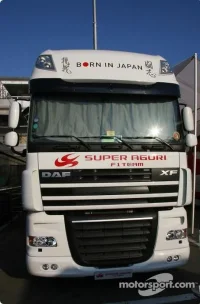
I have a question. I have a picture and there are some words in Japanese (I think).
On the picture you can see the words, left and right of "born in Japan". Could some one help me with the words. If possible, the translation and the 4 words more clear. So I can make decals of it.
It's great if you can help me!!
Sorry for my bad English!!
 

Attachments

  • Aguri.webp
    Aguri.webp
    38.9 KB · Views: 150
Back
Top Bottom