- 14 Mar 2002
- 21,054
- 18,909
Japan's so-called hostage justice system drew international criticism in 2019 when news of ousted Nissan Motor Chairman Carlos Ghosn escaping while on bail made headlines worldwide. The combination of long detention time and denial of bail, typically until a confession emerges, is not restricted to foreign nationals but affects Japanese, too, who are held in custody without bail to coerce them into confessing.
In addition to these malicious practices, false accusations can have far-reaching consequences, with little chance for wrongly accused individuals to defend themselves. In this particular case, the police not only ignored exculpatory evidence but fabricated incriminating evidence!
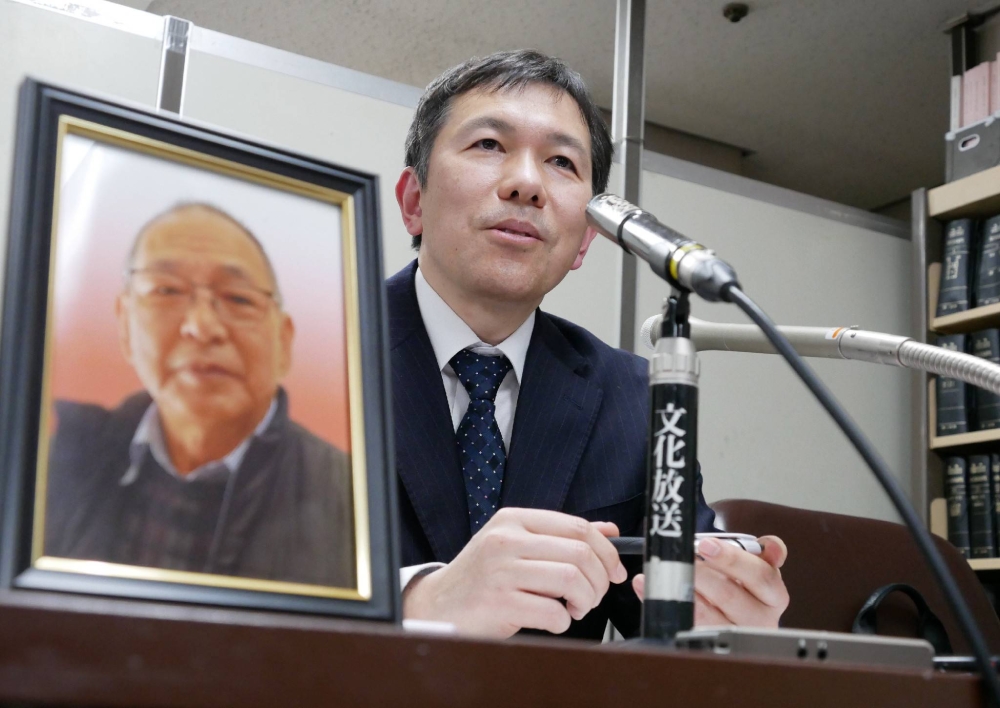
Ohkawara Kakohki, a Yokohama-based manufacturer of spray dryers, attracted police attention in late 2018 due to suspicions that its products might be used to develop biological weapons and that it was involved in illegal exports without the required permit. Despite conducting multiple experiments to demonstrate the safety of their products to the police, Masaaki Okawara and two other firm executives—Junji Shimada and Shizuo Aishima—were arrested in March 2020. During their time in detention, they took the advice of their lawyer and decided to exercise their right to remain silent. In Japan, however, opting for silence often comes with significant consequences. Aishima repeatedly denied his bail requests because he might have conspired with employees. His health deteriorated severely during this time behind bars, and he died from stomach cancer in February 2021.
Guilty until proven innocent: In Japan, the conviction rate — or the rate of prosecutors winning guilty verdicts in all indicted cases — exceeds 99%, an exceptionally high figure. Therefore, this case is particularly rare since it was dropped after an indictment. Only one case was dismissed in 2020 and 2021 due to a "lack of suspicion." Between 2006 and 2019, no case had ever been dropped for such reasons, government data shows.

 www.japantimes.co.jp
More on the case:
www.japantimes.co.jp

 mainichi.jp
Ohkawara Kakohki Co.,Ltd.:

 jref.com
In addition to these malicious practices, false accusations can have far-reaching consequences, with little chance for wrongly accused individuals to defend themselves. In this particular case, the police not only ignored exculpatory evidence but fabricated incriminating evidence!
Ohkawara Kakohki, a Yokohama-based manufacturer of spray dryers, attracted police attention in late 2018 due to suspicions that its products might be used to develop biological weapons and that it was involved in illegal exports without the required permit. Despite conducting multiple experiments to demonstrate the safety of their products to the police, Masaaki Okawara and two other firm executives—Junji Shimada and Shizuo Aishima—were arrested in March 2020. During their time in detention, they took the advice of their lawyer and decided to exercise their right to remain silent. In Japan, however, opting for silence often comes with significant consequences. Aishima repeatedly denied his bail requests because he might have conspired with employees. His health deteriorated severely during this time behind bars, and he died from stomach cancer in February 2021.
Okawara and Shimada, meanwhile, were held in detention for a total of 332 days. The case is undeniably tragic but not uncommon, reminding the public of human rights abuses that can accompany Japan's criminal investigations. [...] "I had not expected to be arrested," Okawara said, as he had nothing left to say, having visited the police station over 40 times for voluntary questioning and answered all their questions. "The police tried to coerce a confession out of me by locking me up in a cell and keeping me away from my family, employees and society," he said. Before the arrest, the police conducted more than 260 "voluntary questioning" sessions involving almost 50 individuals associated with the company over 18 months. According to the company, some of its employees endured harsh interrogations, resulting in one of them being diagnosed with depression.
Guilty until proven innocent: In Japan, the conviction rate — or the rate of prosecutors winning guilty verdicts in all indicted cases — exceeds 99%, an exceptionally high figure. Therefore, this case is particularly rare since it was dropped after an indictment. Only one case was dismissed in 2020 and 2021 due to a "lack of suspicion." Between 2006 and 2019, no case had ever been dropped for such reasons, government data shows.
Once arrested, suspects typically face hours of interrogations daily without the presence of lawyers. The police can also extend an initial 10-day pre-indictment detention up to 23 days and further prolong the detention by arresting individuals multiple times in the same case by filing new charges. For instance, someone arrested for robbery might first be charged with trespassing and later rearrested for robbery at the end of their initial detention period. Legal experts say that the practice is often done as part of efforts to elicit a confession from suspects.
Japan’s ‘hostage justice system’ faces renewed scrutiny
The long-criticized system has come under the spotlight as executives wrongly accused of a crime continue their legal battle.
More on the case:
Tokyo court rules executives of spray dryer firm were wrongly indicted
The case involving Ohkawara Kakohki, a Yokohama-based manufacturer, has once again highlighted problems in the nation’s criminal justice system.
Editorial: Investigators should deeply reflect on false accusations in wake of Tokyo ruling - The Mainichi
The Tokyo District Court has ordered the Tokyo metropolitan and national governments to pay compensation in a lawsuit brought by the president of mach
Ohkawara Kakohki Co.,Ltd.:
Ohkawara Kakohki Co.,Ltd.
Ohkawara Kakohki Co., Ltd., manufactures spray dryers, nozzles, spraying and drying machines, and twin jetters.
jref.com