


- 14 Mar 2002
- 21,050
- 18,903
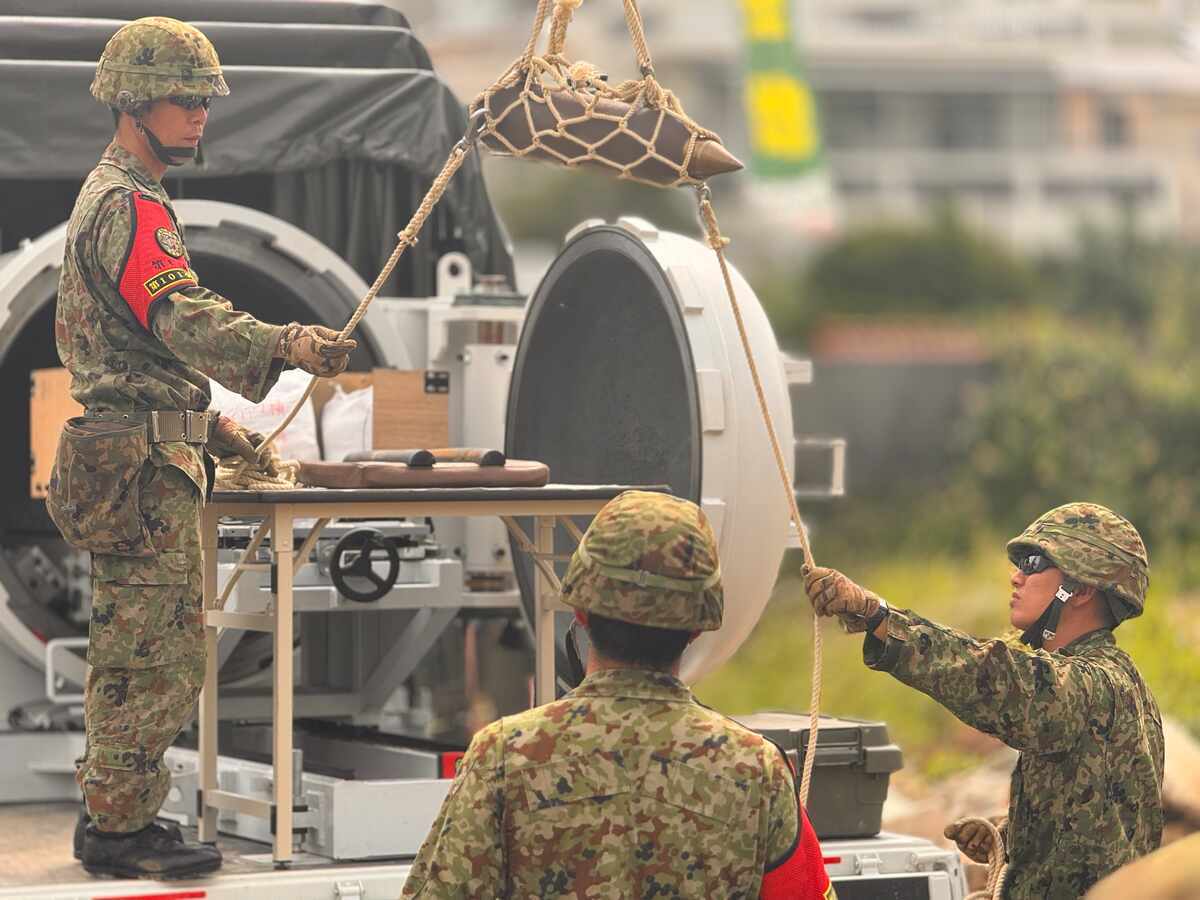
Japan's strategy has quietly shifted from deterrence to denial, with far-reaching implications for the Indo-Pacific:
Three years after Japan released its landmark security documents in December 2022, the strategic picture looks markedly different. Security scholar Jimbo Ken argued that the concept of a "counterstrike capability" was originally developed to justify the acquisition of ground-attack weapons as a limited form of self-defence. Since then, however, the strategic focus has shifted.
Rather than North Korean missiles, China's expanding naval, missile and air capabilities are now the main driver of Japan's long-range strike posture. Jimbo said the emphasis has increasingly shifted towards maritime strikes, aimed at targeting hostile naval assets before they can establish control at sea. He also pointed to a persistent "missile gap". China possesses more than 2,000 short- and medium-range missiles, while matching that arsenal in the western Pacific would be extremely difficult. According to Jimbo, the issue ultimately depends on how the United States deploys medium-range missiles in the Indo-Pacific, leaving open the question of whether Washington, Tokyo, or both will address the gap.
 japan-forward.com
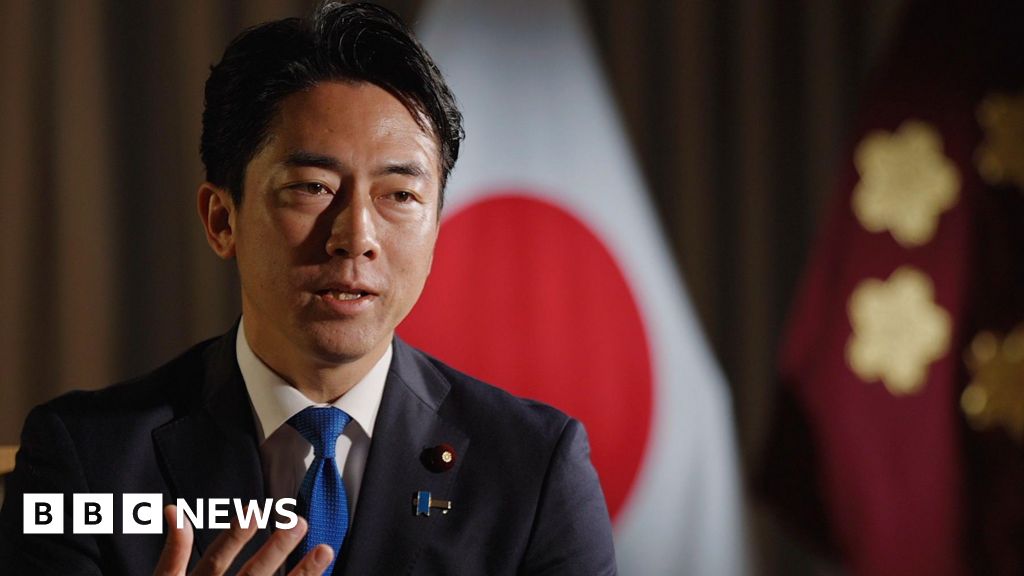
In an interview with the BBC, Defence Minister Koizumi Shinjiro stated that Japan must strengthen its defence capabilities:
He said that strengthening Japan's defences, deepening the alliance with the United States and expanding cooperation with like-minded countries were all part of building what he described as a "multi-layered deterrence" framework aimed at preventing another war in the region. The minister also pointed to recent changes in Japan's defence policy, including the relaxation of decades-old arms export restrictions.
As a result, Tokyo can now sell or transfer defence equipment and lethal weapons to the 17 countries with which it has concluded formal security agreements, among them the United States and the United Kingdom. It marks the first major easing of such restrictions in roughly half a century.
 www.bbc.com
Three years after Japan released its landmark security documents in December 2022, the strategic picture looks markedly different. Security scholar Jimbo Ken argued that the concept of a "counterstrike capability" was originally developed to justify the acquisition of ground-attack weapons as a limited form of self-defence. Since then, however, the strategic focus has shifted.
Rather than North Korean missiles, China's expanding naval, missile and air capabilities are now the main driver of Japan's long-range strike posture. Jimbo said the emphasis has increasingly shifted towards maritime strikes, aimed at targeting hostile naval assets before they can establish control at sea. He also pointed to a persistent "missile gap". China possesses more than 2,000 short- and medium-range missiles, while matching that arsenal in the western Pacific would be extremely difficult. According to Jimbo, the issue ultimately depends on how the United States deploys medium-range missiles in the Indo-Pacific, leaving open the question of whether Washington, Tokyo, or both will address the gap.
Japan's Defense Transformation Is More Ambitious Than It Looks | JAPAN Forward
Security scholar Ken Jimbo explains how Tokyo's strategy has quietly shifted from deterrence to denial—with far-reaching implications for the Indo-Pacific.
japan-forward.com
In an interview with the BBC, Defence Minister Koizumi Shinjiro stated that Japan must strengthen its defence capabilities:
He said that strengthening Japan's defences, deepening the alliance with the United States and expanding cooperation with like-minded countries were all part of building what he described as a "multi-layered deterrence" framework aimed at preventing another war in the region. The minister also pointed to recent changes in Japan's defence policy, including the relaxation of decades-old arms export restrictions.
As a result, Tokyo can now sell or transfer defence equipment and lethal weapons to the 17 countries with which it has concluded formal security agreements, among them the United States and the United Kingdom. It marks the first major easing of such restrictions in roughly half a century.
Japan ramping up defence is 'critical' to prevent war, Defence Minister Koizumi tells BBC
Japan needs to revisit the pacifist posture that has defined it since World War Two, Shinjiro Koizumi says.
www.bbc.com


