


- 14 Mar 2002
- 21,048
- 18,898
Today, UNESCO added a group of ancient archaeological sites in Nara Prefecture to its World Heritage List, recognising their role in the formation of Japan's early centralised state. The inscription brings the total number of World Heritage sites in Japan to 27. The decision to inscribe "Asuka-Fujiwara: Archaeological Sites of Japan's Ancient Capitals and Related Properties" was made during a meeting of UNESCO's World Heritage Committee in Busan, South Korea.
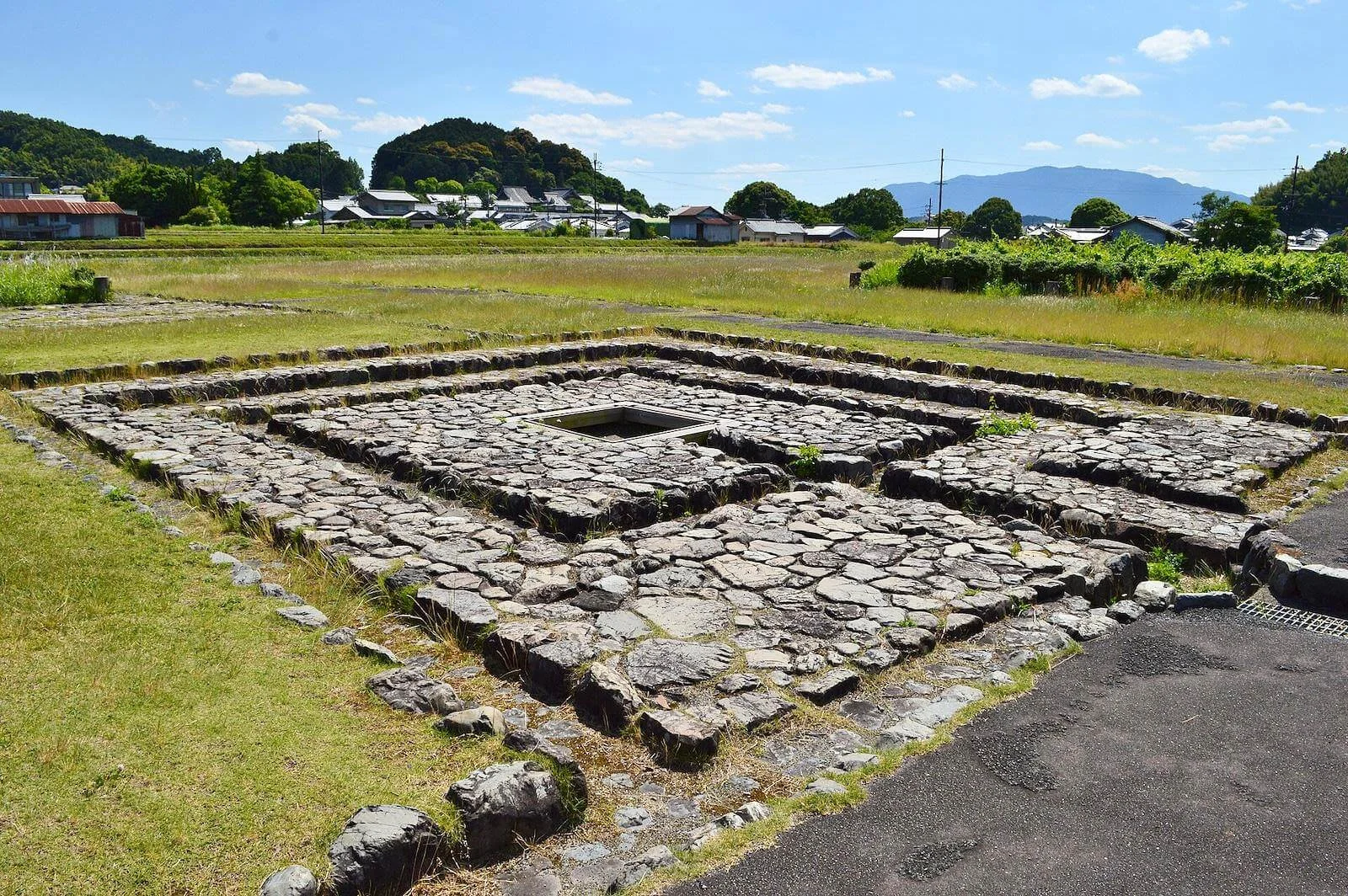
The site was recognised for illustrating how Japan's centralised state emerged between the late sixth and early eighth centuries, a period shaped by close political and cultural exchanges with China and the Korean Peninsula. The Asuka-Fujiwara property comprises 19 archaeological sites dating from the late sixth century to the early eighth century. Together, they preserve the remains of Japan's earliest capitals and provide evidence of the political, social and cultural changes that laid the foundations of the Japanese state.

 mainichi.jp
The site was recognised for illustrating how Japan's centralised state emerged between the late sixth and early eighth centuries, a period shaped by close political and cultural exchanges with China and the Korean Peninsula. The Asuka-Fujiwara property comprises 19 archaeological sites dating from the late sixth century to the early eighth century. Together, they preserve the remains of Japan's earliest capitals and provide evidence of the political, social and cultural changes that laid the foundations of the Japanese state.
The major sites include the ruins of the Asuka Palace and Fujiwara Palace related to early state-building, the remains of Japan's first full-fledged capital, Buddhist temple ruins and ancient burial mounds. Among the burial mounds are the Takamatsuzuka mounded tomb, known for its vividly colored murals, and the Kitora mounded tomb, featuring the oldest existing astronomical chart in East Asia. A UNESCO advisory body recommended adding the sites to the World Cultural Heritage list in June. With the addition, Japan now has 22 cultural and five natural World Heritage sites.
UNESCO adds Japan's Asuka-Fujiwara sites to World Heritage list - The Mainichi
BUSAN, South Korea (Kyodo) -- UNESCO decided Sunday to add a group of ancient sites in Nara Prefecture that show the formation of Japan's centralized


