


- 14 Mar 2002
- 21,138
- 19,083
With global demand for sea urchin on the rise, particularly among sushi enthusiasts, two small Japanese firms have begun experimenting with new ways to cultivate the delicacy. Japan's domestic catch of uni has fallen by around 20% over the past decade, amounting to about 6,300 metric tons in 2024, according to the Ministry of Agriculture, Forestry and Fisheries. Most of that supply still comes from the wild, as farmed production remains under 1,000 tons. A ministry official noted that Japan lacks large-scale sea urchin farming operations but suggested that if aquaculture companies manage to produce hundreds of tons annually, it could significantly reshape the industry.
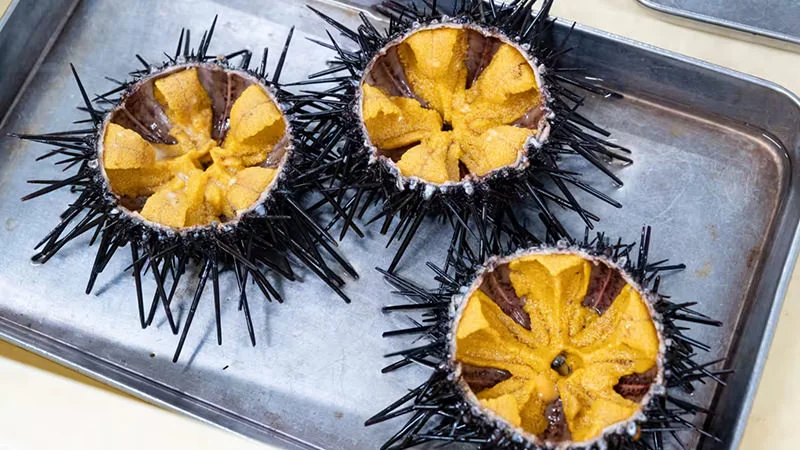
Uninomics sea urchins (photo credit: Sato Keiichiro via Nikkei)
Consumers abroad are developing a taste for the sweetness and rich aroma of Japanese uni, though the U.S. also imports from Chile and Russia. In Iwate Prefecture, Kita-Sanriku Factory is completing a land-based farm that uses patented tanks designed to prevent stress among the animals, which can become ill when overcrowded. The farm will produce around 60 tons a year. CEO Yukinori Shitautsubo said the company plans to launch a similar 60-ton facility in Australia with a local partner by 2026, aiming to bring Australian uni to global markets. This method also helps restore kelp forests damaged by wild urchins. Undernourished animals are collected, fattened, and shipped from the farms. Yet the wider aquaculture sector faces headwinds: industry debt has surged twelvefold to 9.1 billion yen in fiscal 2024, while rising feed costs and warming seas complicate water management.
Paywall alert:

 asia.nikkei.com

 www.uninomics.co.jp
Uninomics sea urchins (photo credit: Sato Keiichiro via Nikkei)
Uninomics launched urchin ranching in 2021 and now has a Yamaguchi base with an in-shell capacity of about 40 tons a year and a roughly 20-ton facility in Oita Prefecture. Urchins are mainly supplied to restaurants. And in 2026, the Tokyo-based company is set to open a 360-ton facility in Toyama prefecture with backing from Food & Life, the company behind the Sushiro chain of conveyor belt sushi restaurants.
Consumers abroad are developing a taste for the sweetness and rich aroma of Japanese uni, though the U.S. also imports from Chile and Russia. In Iwate Prefecture, Kita-Sanriku Factory is completing a land-based farm that uses patented tanks designed to prevent stress among the animals, which can become ill when overcrowded. The farm will produce around 60 tons a year. CEO Yukinori Shitautsubo said the company plans to launch a similar 60-ton facility in Australia with a local partner by 2026, aiming to bring Australian uni to global markets. This method also helps restore kelp forests damaged by wild urchins. Undernourished animals are collected, fattened, and shipped from the farms. Yet the wider aquaculture sector faces headwinds: industry debt has surged twelvefold to 9.1 billion yen in fiscal 2024, while rising feed costs and warming seas complicate water management.
Paywall alert:
Japan ventures serve up niche ways to farm sea urchin for global sushi fans
Special facilities aim to boost harvests amid declining catches
asia.nikkei.com
Link:
ウニノミクス|磯焼けの海を独自技術と循環型モデルで解決します
ウニノミクス。 それは、私たちが抱える環境の課題を、経済的、生態系的、社会的なチャンスにすること。
Sea urchins (uni) in Japanese:
In Japanese, uni (sea urchin) is most often written in katakana as ウニ, though hiragana (うに) also appears in casual contexts. There are several kanji forms depending on context:
- 海胆 (kaidan), the most common, denotes fresh sea urchin and literally means "sea gall"
- 海栗 (kairiku), meaning "sea chestnut," evokes its resemblance to a spiny chestnut shell; and
- 雲丹 (undan) refers to processed or preserved products such as salted uni paste.


