


- 14 Mar 2002
- 21,057
- 18,913
The Japan Maritime Self-Defence Force is set to withdraw from Antarctic research vessel operations after nearly 60 years. The move would come with the retirement of the icebreaker Shirase in fiscal 2034, with private-sector operators expected to take over afterwards.
There are ongoing personnel shortages within the Self-Defence Forces, linked to chronic understaffing. At the same time, mission demands have been rising as Japan's security environment shifts, making it harder to spare personnel for Antarctic duties. At a subcommittee meeting on Antarctic transport plans on the 16th, the Self-Defence Forces are expected to state their intention to pull out.
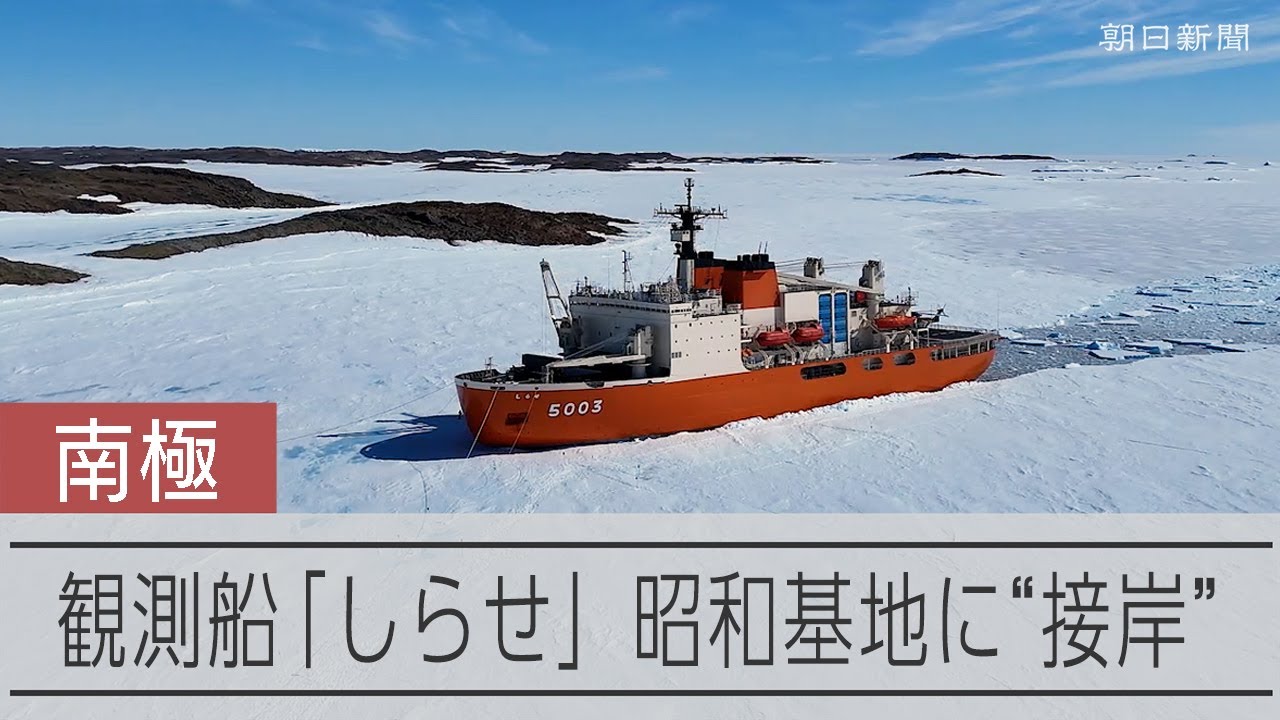
There are ongoing personnel shortages within the Self-Defence Forces, linked to chronic understaffing. At the same time, mission demands have been rising as Japan's security environment shifts, making it harder to spare personnel for Antarctic duties. At a subcommittee meeting on Antarctic transport plans on the 16th, the Self-Defence Forces are expected to state their intention to pull out.
The Maritime Self-Defence Force has supported Antarctic research operations for approximately 60 years since 1965, playing a central role in transporting personnel, equipment, and supplies to Japan's Antarctic bases, particularly Showa Station, while also conducting icebreaking missions and aerial logistics using onboard helicopters, making it a critical backbone of the country's polar research program.
Japan Military to Exit Antarctica
The Japan Maritime Self-Defense Force will withdraw from Antarctic research vessel operations after nearly six decades, with private-sector entities expected to take over following the retirement of the icebreaker Shirase in fiscal 2034.
newsonjapan.com


