


- 14 Mar 2002
- 21,050
- 18,903
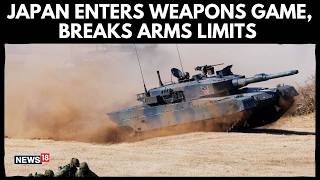
Japan has eased long-standing limits on arms exports, opening the way to sell weapons to more than a dozen countries. The move, announced on Tuesday, marks another step away from the pacifist approach that has shaped Japan's defence policy since the war. It comes as security tensions in the region remain high. Until now, exports were largely restricted to five areas — rescue, transport, warning, surveillance and minesweeping. Those limits are being lifted. In effect, Japan can now supply lethal equipment to 17 countries with which it has defence agreements, including the US and the UK.
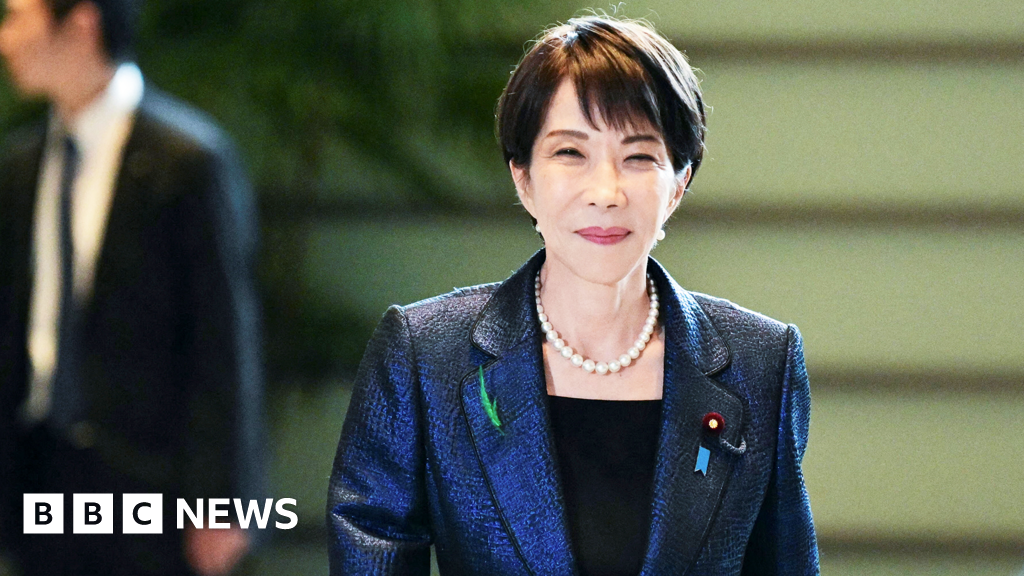
A ban on exports to countries involved in active conflict will remain in place. That said, it does not apply to states that have defence pacts with Japan. Officials in Tokyo also said there could be exceptions in what they called "special circumstances", though details were not fully explained. Prime Minister Sanae Takaichi wrote on X that in a more severe security environment, no single country can protect its peace and security alone. At the same time, she stressed there was no change in Japan's commitment to its postwar path as a peace-loving nation, a position it has held for more than 80 years.
 www.bbc.com

 asia.nikkei.com
A ban on exports to countries involved in active conflict will remain in place. That said, it does not apply to states that have defence pacts with Japan. Officials in Tokyo also said there could be exceptions in what they called "special circumstances", though details were not fully explained. Prime Minister Sanae Takaichi wrote on X that in a more severe security environment, no single country can protect its peace and security alone. At the same time, she stressed there was no change in Japan's commitment to its postwar path as a peace-loving nation, a position it has held for more than 80 years.
Chief Cabinet Secretary Minoru Kihara said in a press briefing that the move was "intended to safeguard Japan's security and further contribute to the peace and stability of the region". China has said it is "seriously concerned" about what it described as Japan's "reckless militarisation". "China will remain highly vigilant and resolutely opposed [to the move]," Beijing's foreign ministry said in a routine media briefing on Tuesday. Japan's defence posture was written into its post-World War Two constitution in 1947. It renounced war as a means of settling international disputes and stated that Japan would never maintain war potential. For decades, pacifism has become part of Japan's identity. But that mindset has been shifting gradually.
Japan loosens arms export rules in break from post-WW2 pacifism
This clears the way for Japan to sell weapons to more than a dozen countries.
www.bbc.com
Japan eases arms export rules to enable weapons sales
PM Takaichi aims to boost security cooperation in Indo-Pacific and other regions
asia.nikkei.com
Officials said the decision reflects the rapidly deteriorating security environment surrounding Japan, with some arguing the change had come too late. Under the new framework, the previous five categories that strictly limited exports according to intended use will be abolished. Defence equipment will instead be divided into two groups: weapons with destructive or lethal capability, and non-weapon items. Weapons will be eligible for export to countries that have signed transfer agreements with Japan. Exports to nations involved in armed conflict may also be permitted on an exceptional basis when special circumstances apply. As a safeguard, the government will notify the Diet of such decisions and strengthen monitoring of how recipient countries manage the equipment transferred.
Japan to Allow Overseas Sales of Lethal Weapons
The Japanese government on April 21 revised the Three Principles on Transfer of Defense Equipment and related guidelines, in principle allowing the export of weapons with lethal capabilities. The move marks a major turning point in Japan's postwar security policy.
newsonjapan.com


