


- 14 Mar 2002
- 21,050
- 18,903
A committee overseeing the international treaty that governs trade in endangered species turned down a proposal on Thursday that would have placed export limits on all eel species. The move came despite strong opposition from Japan, which remains one of the world's major consumers of eel. The proposal was put forward by the European Union and several other parties at the Convention on International Trade in Endangered Species (CITES) meeting in Uzbekistan. EU representatives argued that European eels, already regulated under the treaty, were still entering markets illegally because they cannot be easily distinguished from Japanese eels after processing and trade.
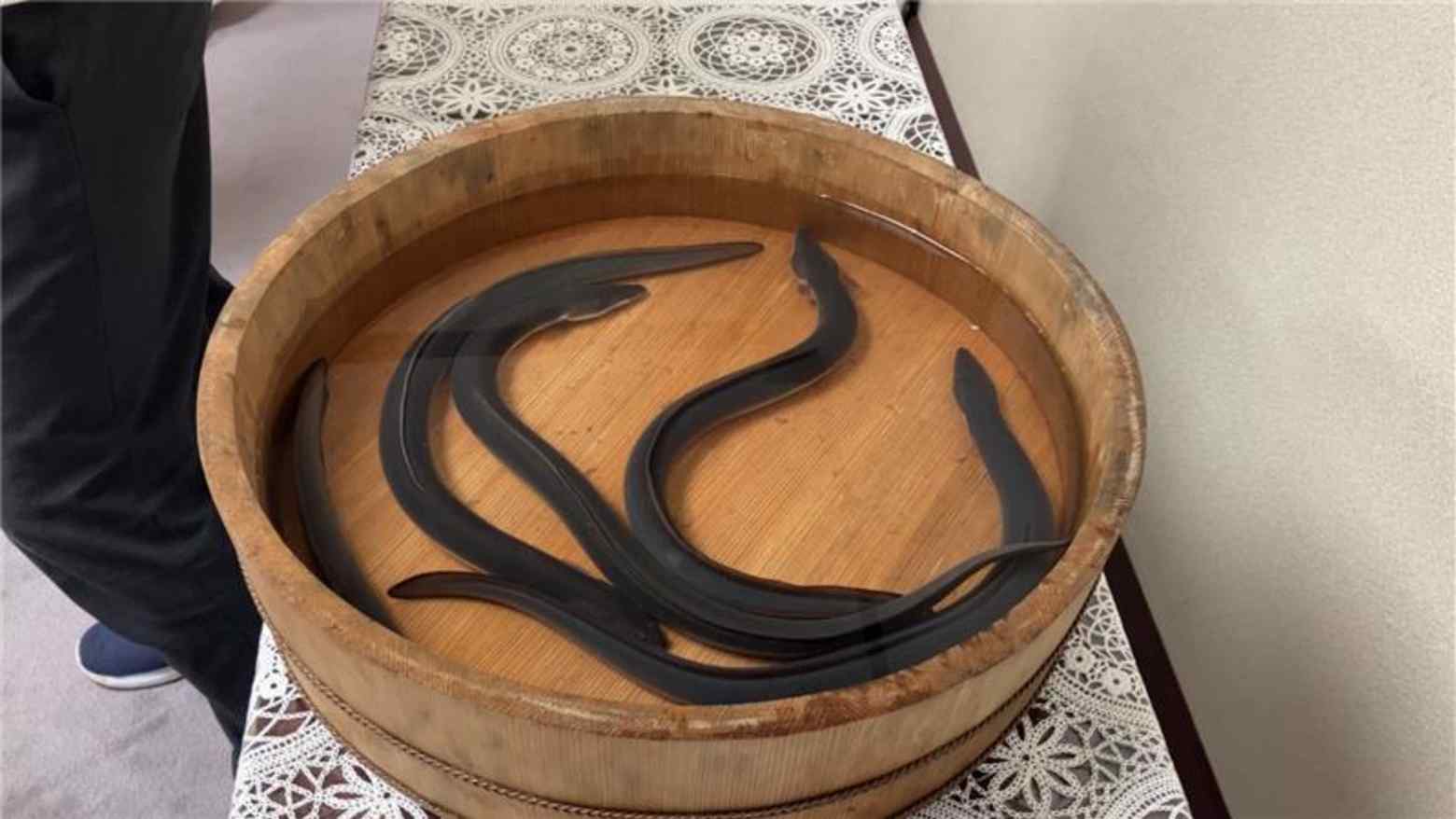
Had the proposal been adopted, export permits, issued by the exporting countries, would have been required for the eel trade. This measure would have jacked up prices in Japan, which relies on imports from China and other countries for 70% of its domestic supply.
Paywall alert:

 asia.nikkei.com
The bloc also said the number of Japanese eels has been sharply declining, claiming that all eel species should be listed as endangered under Appendix II to the Washington Convention, also known as the Convention on International Trade in Endangered Species of Wild Fauna and Flora. A listing on Appendix II means that the species may become extinct if trade is not closely regulated. Japan's government has insisted the country has sufficient resources of Japanese eels, which are not at risk of extinction, due to international trade.
Had the proposal been adopted, export permits, issued by the exporting countries, would have been required for the eel trade. This measure would have jacked up prices in Japan, which relies on imports from China and other countries for 70% of its domestic supply.
Paywall alert:
International treaty panel rejects trade curbs on all eels
Japan insisted its domestic eels are not at risk of extinction
asia.nikkei.com
Japan has long been the biggest consumer of unagi (freshwater eel), especially Japanese eel (Anguilla japonica). For decades, Japan accounted for the majority of global imports, consumption, and demand — particularly for kabayaki. In recent years, China has overtaken Japan in total eel consumption, when processed eel products and the overall population are taken into account.
China consumes a considerable volume of eel domestically and also re-exports processed eel worldwide. However, Japan remains the world's top market for high-quality unagi and continues to drive much of the demand for Japanese eel and imports of juvenile eels for aquaculture.
China consumes a considerable volume of eel domestically and also re-exports processed eel worldwide. However, Japan remains the world's top market for high-quality unagi and continues to drive much of the demand for Japanese eel and imports of juvenile eels for aquaculture.


