News China set up buoy over Japan's southern continental shelf

thomas

Unswerving cyclist
Admin
Joined
14 Mar 2002
Messages
21,050
Reaction score
18,903
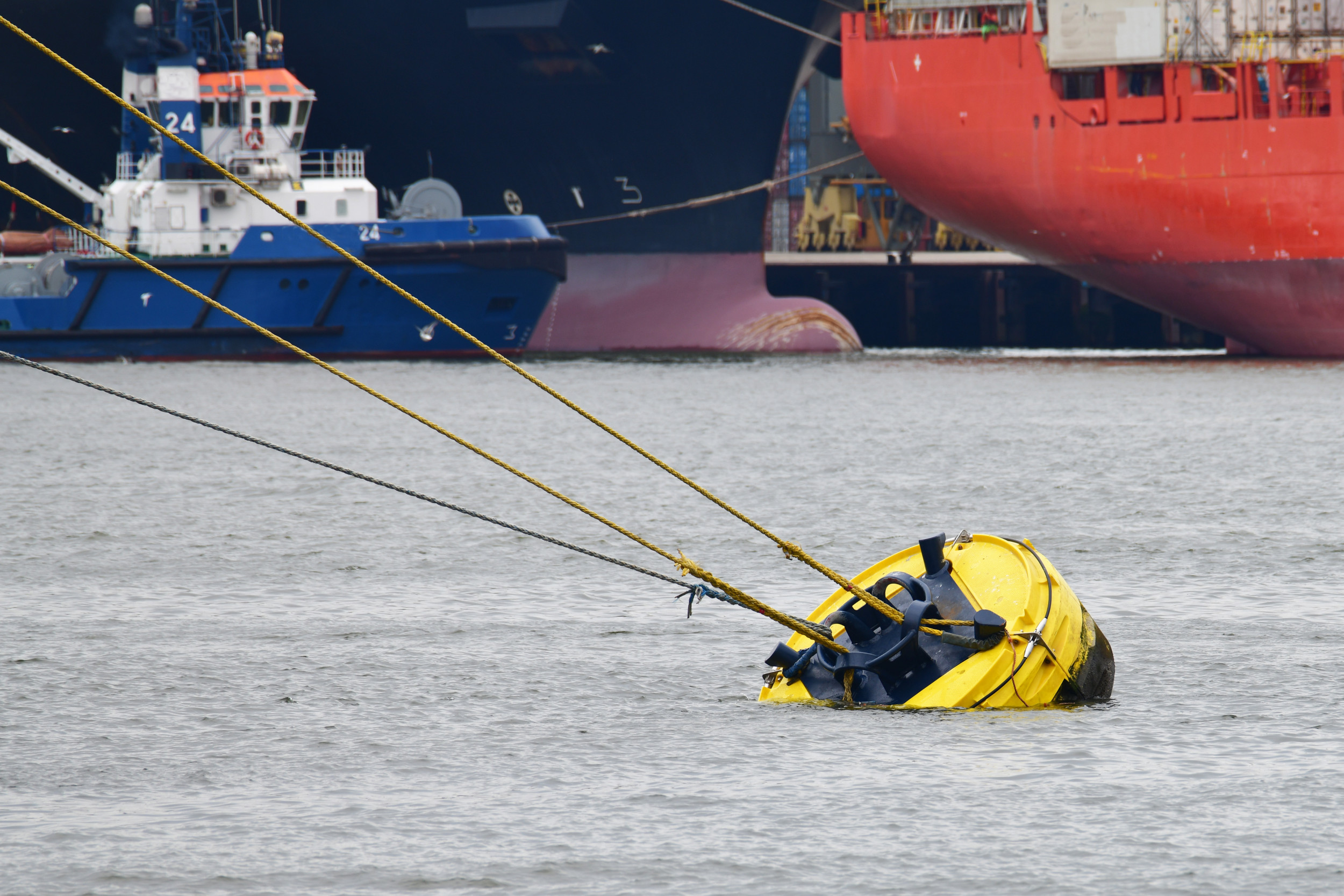
The Japanese government has confirmed that China installed a buoy in the high seas over Japan's southern continental shelf in the Pacific Ocean. This action could further strain bilateral relations. Chief Cabinet Secretary Yoshimasa Hayashi expressed regret over China's installation of the buoy without explaining its purpose. Japan has urged China not to undermine its maritime interests, while China claims the buoy is for tsunami monitoring and does not infringe on Japan's sovereignty. The buoy was set up by the Chinese survey ship Xiang Yang Hong 22 in mid-June. Last July, China installed another buoy inside Japan's exclusive economic zone near the Senkaku Islands, leading to a protest from Japan.


Paywall alert:


It's high time Japan acted and removed those buoys! China has no business in Japan's EEZ.
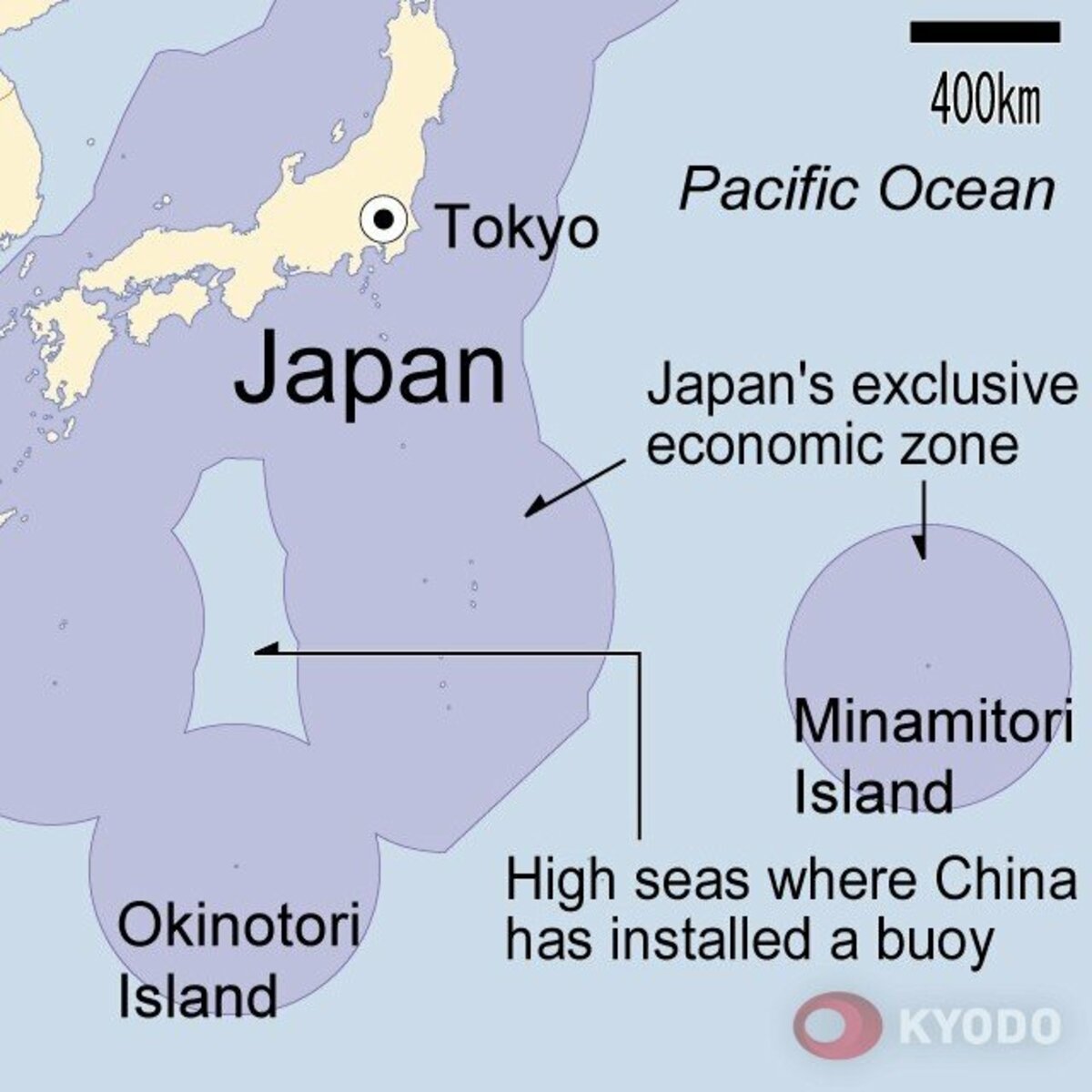
 
This is where the Chinese buoy was set up. Very sneaky.

image_l.jpg


Chinese Foreign Ministry spokeswoman Mao Ning said the buoy, which is to monitor tsunami, was set up in the high seas "for the purposes of scientific research and serving public good" and doing so is "a well-established international practice" based on the U.N. Convention on the Law of the Sea. "Japan has no right to interfere in such activities," she told a press conference in Beijing. Last July, China installed another buoy inside Japan's EEZ near the Tokyo-controlled, Beijing-claimed uninhabited Senkaku Islands in the East China Sea, prompting Japan to lodge a protest and demand its immediate removal. Mao said that as the islands, which Beijing calls Diaoyu, are part of China's territory and its surrounding waters are under the country's jurisdiction, it is "legitimate and lawful for China to set up hydrological and meteorological data buoys in those areas."


China agreed to remove a buoy it had placed within Japan's exclusive economic zone near the Senkaku Islands in the East China Sea. This move aims to resolve its growing diplomatic disputes with Japan, allowing China to concentrate on its relationship with the United States. The United States is expected to face turbulence following Donald Trump's inauguration as president in January.

China has informed Japan of its intention to remove the object. While this move is expected to ease tensions between the two nations, China has yet to remove the buoy physically. Japan is urging China to take immediate action to relocate the object. The Japanese government has consistently demanded the removal of the buoy since its discovery near the disputed islands in July of last year.

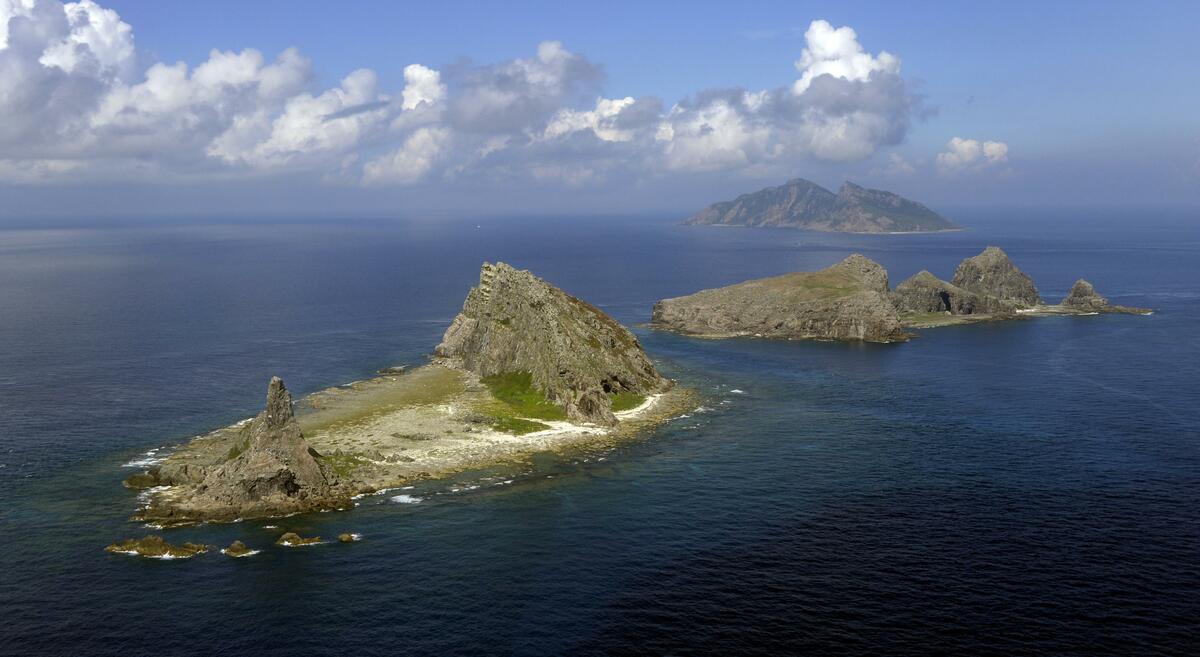
Senkaku Islands

The Senkaku Islands (photo credit: Kyodo

According to the sources, China told Japan through diplomatic channels in the summer that it would remove the buoy, with Japan welcoming the move and closely monitoring the situation to make sure Beijing follows through. The topic was also discussed by officials from both countries during high-level consultations on maritime affairs in Tokyo in October. The Chinese Foreign Ministry has said the buoy was installed to monitor ocean currents and weather. Some observers said the data including water temperature has been collected and used by the Chinese military. It appears China has determined that moving the buoy to the Chinese side of the EEZ's median line would not make much difference to the data obtained, the sources said. Japanese Prime Minister Shigeru Ishiba met with Chinese President Xi Jinping for the first time in Peru last week, where he expressed serious concerns about the situation in the East China Sea and the increased activity by the Chinese military.


Miracles still happen: China removed the buoy near the Senkakus, which can be interpreted as a sign of improving relations. China said the buoy has completed its task at the site.

China has removed a buoy it placed near the Japan-administered Senkaku Islands in July 2023, the two governments revealed Tuesday, a possible reflection of improving relations. The Japan Coast Guard announced in a navigation notice on its website that the buoy northeast of Taiwan has disappeared. "Northeast of Taiwan" refers to the area around the Senkakus, a Japanese government official said. The buoy had been placed within Japan's exclusive economic zone (EEZ). [...] China has placed a number of buoys in the waters around the Senkakus, which it claims as the Diaoyu, looking to bolster its territorial claim. Tokyo has long protested to Beijing through diplomatic channels and demanded their removal. Bilateral relations are improving. In November, China resumed exemptions for short-term stay visas for Japanese nationals. Japanese Foreign Minister Takeshi Iwaya visited China in December and announced the easing of visa issuance for Chinese nationals. China's removal of the buoy could extend the trend. Tokyo and Beijing also are discussing other issues, such as lifting China's ban on imports of Japanese fishery products.

Few in Japan's government think that Beijing—which is accelerating advances into the East and South China seas and seeking to expand its maritime interests—will withdraw its claim to the Senkakus, meaning standoffs between the countries' coast guards are likely to continue.

Paywall alert:
 
China has taken down a large buoy that it had installed without Japan's consent within Japan's exclusive economic zone (EEZ) to the south of Yonaguni Island in Okinawa Prefecture, according to government sources. The Japanese government, which had repeatedly urged China to remove the buoy since its placement in December, is now investigating the circumstances surrounding its removal. The Japan Coast Guard monitored the removal process.

 
Back
Top Bottom