- 14 Mar 2002
- 21,057
- 18,913
Last Wednesday, the Japanese government presented a comprehensive package of measures to reduce the clouds of cedar pollen tormenting hay fever sufferers, up to 40% of the population, every spring. These measures include designating areas where Japanese cedars will be cut down and replanted with low-pollen tree varieties. The program will be rolled out this fiscal year, focusing on artificial plantations near urban areas.
Authorities also aim to use supercomputers and artificial intelligence to predict the amount of pollen scattered from forests.
Paywall alert:

 asia.nikkei.com

 www.japantimes.co.jp
The government hammered out a hay fever policy in May with three key elements: limiting the pollen produced, predicting where it travels once it is airborne and improving treatment of those affected by allergies. Pledging to halve pollen emissions in 30 years, the government plans to pare back artificial Japanese cedar plantations by about 20% in 10 years. [...] The centrepiece of the package includes logging of Japanese cedars and replanting stands with other species. Areas where many allergy patients live are expected to receive priority.
Authorities also aim to use supercomputers and artificial intelligence to predict the amount of pollen scattered from forests.
Paywall alert:
Japan shifts battle against hay fever into high gear
Government aims to cut pollen production in half within 30 years
asia.nikkei.com
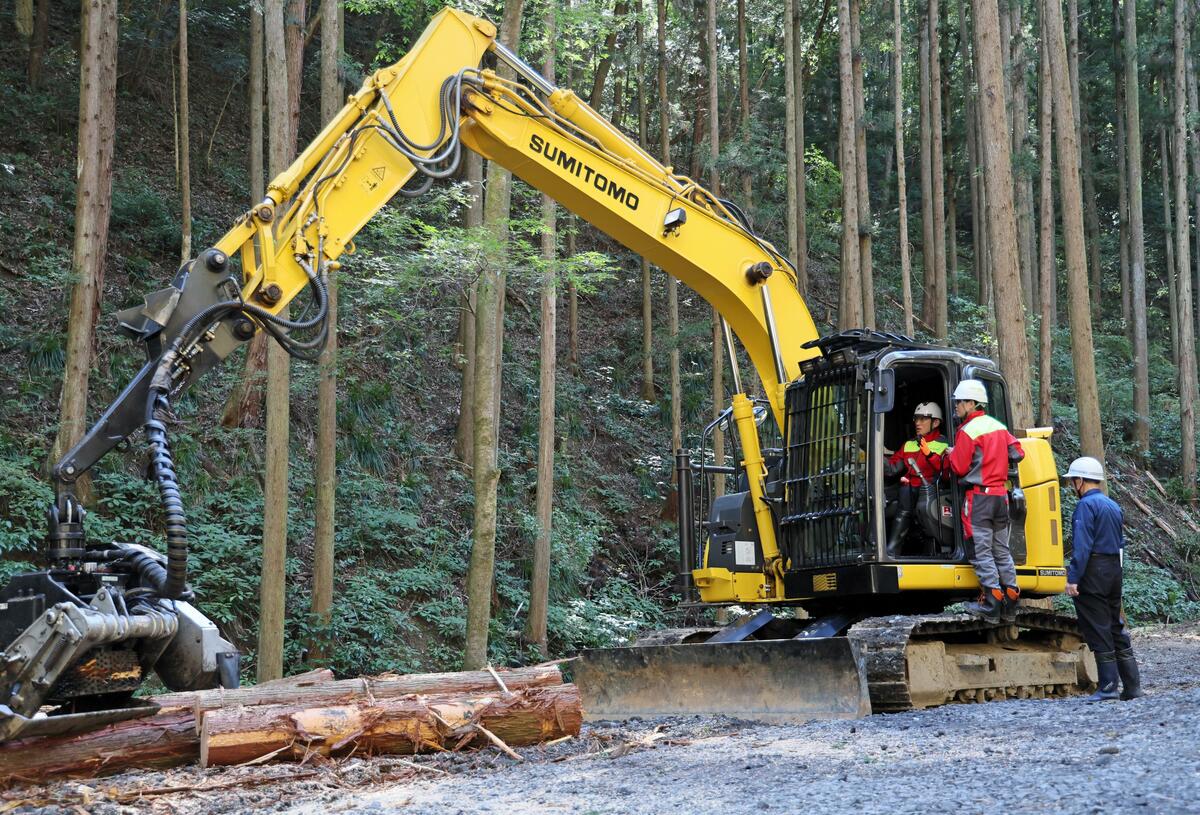
In May, under Kishida's initiative, the minister-level meeting decided to halve the nation's pollen count in 30 years by broadening the logging of artificially planted cedar trees from 50,000 hectares per year to 70,000 hectares. A significant boost to the nation's forestry industry is needed to achieve such an ambitious goal. The sector has constantly declined for decades, with workers numbering a mere 44,000 in 2020 — less than a third of the level in 1980. As a result, cedar-producing trees have not been utilized as timber and have been left to release allergens yearly during the spring pollen season.
Japan to revitalize forestry industry to counter hay fever
“We will aim to resolve hay fever, which is a social issue, and revitalize local communities through the promotion of forestry,” Kishida said.