脱がそうとしていた vs 脱がそうとしてきた

zuotengdazuo

Sempai
Joined
8 Dec 2019
Messages
830
Reaction score
19
Hi. I wonder if we can use 脱がそうとしていた here? If we can, what would be difference between 脱がそうとしていた and 脱がそうとしてきた (it seems both mean "have been trying to take off")?
Thank you.
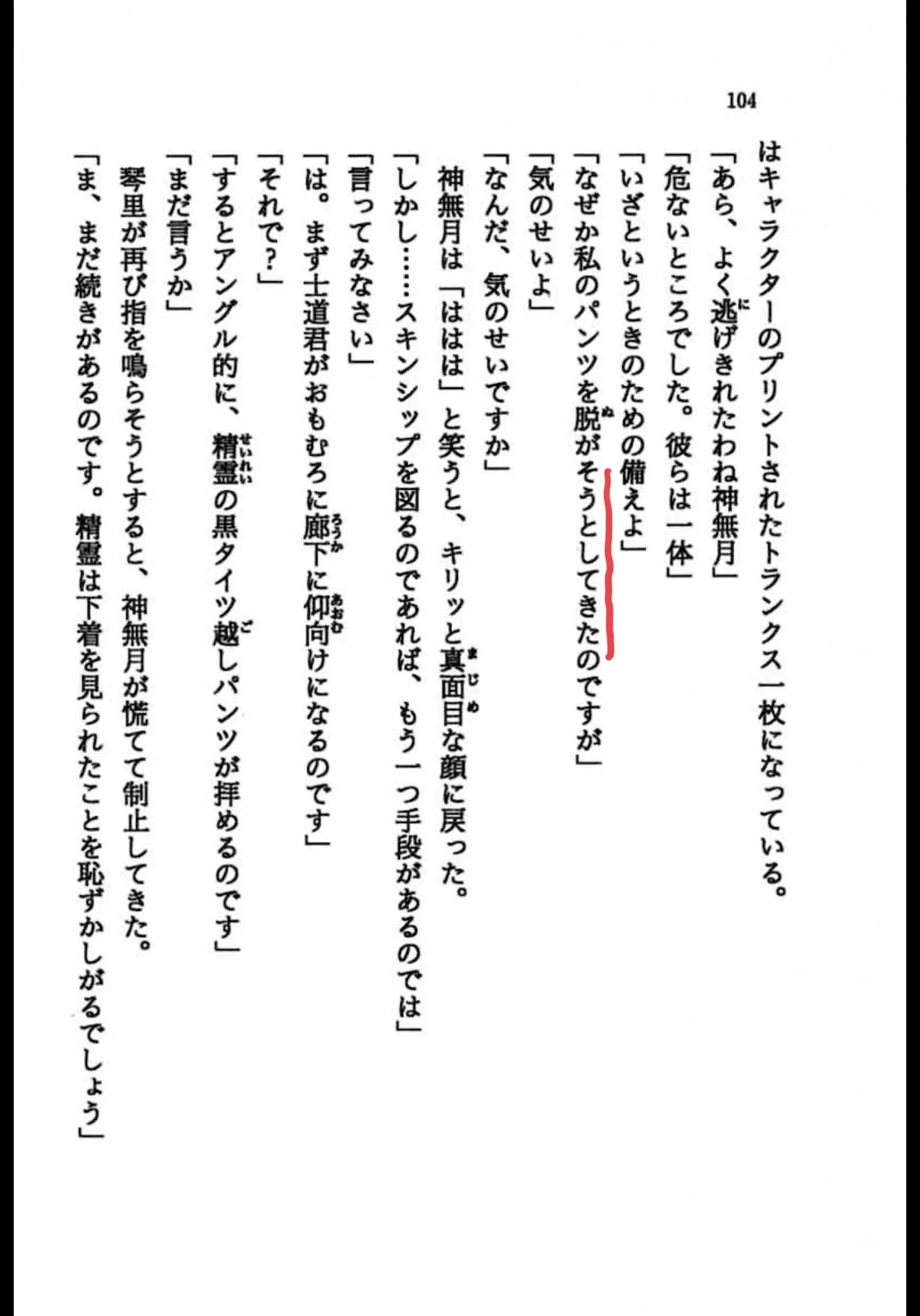
C58211E5-F6C3-4601-A083-F20689E630D7.webp
 
脱がそうとしてきた is indicating directionality here (i.e. performing an action directed at/coming toward the speaker), not a sense of "has been trying".
脱がそうとしていた would be a completely different nuance.
 
Yes, 脱がそうとしていた can mean that the subject already started the action, for instance.
 
Thank you, Toritoribe-san and benten-san.
But my textbook says verb (volitional form) + としていた/としている means the action is about to happen (but has not happened yet). For example, 水が浴槽からあふれようとしている。(the water has not yet spilled over the sink) So whether the pattern verb (volitional form) + としていた/としている can mean the action has already happened depends on the context?
 
Or, it depends on what the verb expresses. For instance, 脱がそうとしていた can refer to a situation where the subject already touched his underwear and tried to pull it down (but didn't pull it down yet). That's what I said by "the subject already started the action".
 
Back
Top Bottom