ugonotsuki-chokarakuchi-tokubetsu-junmai-01.webp

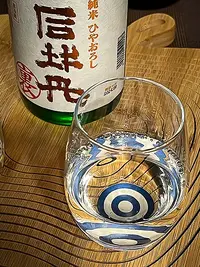
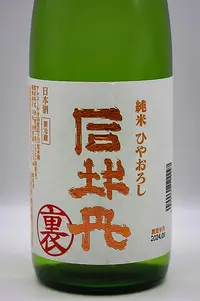
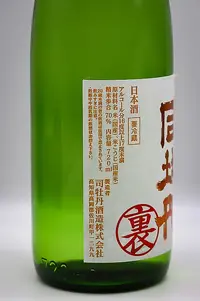
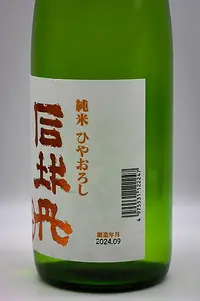
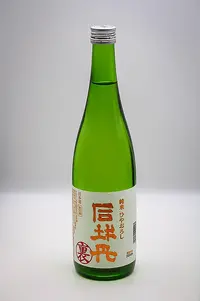
Tsukasabotan Ura Junmai Hiyaoroshi

Tsukasabotan Ura Junmai Hiyaoroshi is made of several rice varieties, Asahi no Yume from Gifu, Fukuhikari from Kochi, Gohyakumangoku from Shimane, and Yamadanishiki from Kochi, all milled to 70%-a limited autumn edition from the "Ura series".
Leave a rating

Sake specs

Prefecture
Kōchi (高知)
Rice type
Asahi no Yume (あさひの夢)
Polishing rate (semaibuai)
70%
Alcohol content
16%
SMV
+7.0
Acidity
1.6
Tsukasabotan Ura Junmai Hiyaoroshi (司牡丹 裏 純米ひやおろし)

Tsukasabotan Ura Junmai Hiyaoroshi (司牡丹 裏 純米ひやおろし) is made of several rice varieties, Asahi no Yume from Gifu, Fukuhikari from Kochi, Gohyakumangoku from Shimane, and Yamadanishiki from Kochi, all milled to 70%. This is a limited autumn edition Hiyaoroshi sake from the "Ura Series," crafted at the final stage of the brewing process, allowing the brewers to fully grasp the unique qualities of that year's rice and brewing conditions. The result is a premium sake that perfectly captures the year's essence.
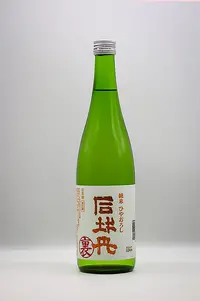


Tsukasabotan Ura Junmai Hiyaoroshi (司牡丹 裏 純米ひやおろし) Tsukasabotan Ura Junmai Hiyaoroshi (司牡丹 裏 純米ひやおろし) Tsukasabotan Ura Junmai Hiyaoroshi (司牡丹 裏 純米ひやおろし) Tsukasabotan Ura Junmai Hiyaoroshi (司牡丹 裏 純米ひやおろし) Tsukasabotan Ura Junmai Hiyaoroshi (司牡丹 裏 純米ひやおろし)

About the brewery

Brewery
Tsukasabotan Shuzō
Name in Japanese
司牡丹酒造
Address
1299 Sakawa-chō, Takaoka-gun, Kōchi 789-1201
Phone
0889-221-211
Website
tsukasabotan-logo.png
Sakawa, nestled in the heart of Kochi Prefecture, is a picturesque basin surrounded by the Shikoku mountain range. It is situated along the Yanase River, a tributary of the Nyo River. Renowned for its natural beauty, Sakawa boasts one of Japan's top 100 cherry blossom spots, Makino Park, and two of Tosa's three great gardens. It's also famous as the birthplace of geology in Japan. During the Edo period , it flourished as the Fukao clan's castle town, the Tosa Domain's chief retainers. The town is steeped in history, producing numerous loyalist samurai during the Meiji Restoration . The "Meikyokan" school and the "Aoyama Bunko" library, which houses the works of these samurai, add to the town's historical charm. Sakawa's climate is warm and humid, with significant temperature differences between day and night, making it ideal for cultivating tea, pears, and apples. The town's central area features a 90-meter-long row of white-walled warehouses, built in the late Edo period and designated as a town cultural property. Part of this complex now houses the "Sake Gallery Hotei," showcasing the rich culture of sake brewing in Tosa.

Founded in 1603, the brewery's origins can be traced back to a "御酒屋" (onsakeya, a sake brewer who supplied sake to the feudal lord) who accompanied Fukao Shigeyoshi, the chief retainer of Yamauchi Kazutoyo (who was granted 240,000 koku of land in Tosa by Tokugawa Ieyasu ), to Tosa. This sake brewery was known as "Kuroganeya" and had deep connections with the "Sayaya" family, the ancestral home of Sakamoto Ryoma , who was also involved in sake brewing. In 1918, the sake brewers of Sakawa came together to establish the current brewery. Tanaka Mitsuakira, a native of Sakawa and a prominent figure in the Meiji Restoration, named the sake "Tsukasabotan," meaning "the supreme among peonies," symbolizing the highest quality. In 2005, a new brewery building, "Heisei-gura," was constructed, consolidating facilities from various locations within the town. Equipped with state-of-the-art rice polishing and koji-making machines, the brewery further enhanced its brewing precision.

The brewery's four pillars are rice, water, technique, and heart. Almost all their sake and koji rice is made from the premium Yamadanishiki variety. Since 1996, they've been contract-cultivating Yamadanishiki and other sake rice varieties using the Nagata farming method in local areas. The brewery uses crystal-clear soft water from the Nyo River system, known locally as "Kaminogawa." This water, combined with the traditional techniques passed down through generations of Hiroshima toji (brewmasters), results in high-quality sake. Despite the challenges of wartime and postwar periods, the brewery has always adhered to its principle of prioritizing quality. Currently, 70% of their production is speciality sake, to reach 100% in the future. Tsukasabotan sake is characterized by its clean, dry flavour, unique umami, and rich aroma.

Latest reviews

A hidden gem: Urahiyaoroshi
Colour / hue
Pale Yellow
Clarity
Clear
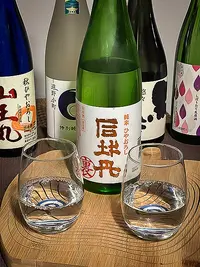
Tsukasabotan's Urahiyaoroshi surprises with a sweet, fruity nose dominated by green apple notes and subtle alcoholic spiciness, revealing a creamy texture and a medium-bodied profile. The initial attack is a burst of juicy fruitiness that quickly transitions to refreshing acidity and a gentle bitterness. This dry finish, however, is surprisingly delicate and subdued, dancing playfully across the palate.

This was my first encounter with a Urahiyaoroshi, a limited-release sake produced in small quantities. This unique brewing style, characterized by a longer ageing period, results in sake with complex flavours and a refined character. It balances sweetness and dryness perfectly, creating a harmonious and enjoyable drinking experience. The result is such an exquisite understatement that we couldn't help rating it five stars.

Tsukasabotan Ura Junmai Hiyaoroshi Tsukasabotan Ura Junmai Hiyaoroshi


Appearance: clear and lemon-green
Nose: medium
Aroma: fruity, sweet
Sweetness: off-dry
Acidity: medium
Umami: medium
Alcohol: medium
Body: medium
Flavour intensity: medium-
Flavour characteristics: sweet, fruity, dry
Texture: standard
Finish: medium
Quality level: excellent
Upvote 0

Comments

There are no comments to display.

Table of contents

sake information

Category
Junmai
Added by
JREF
Views
462
Watchers
1
Reviews
1
Last update
Rating
5.00 star(s) 1 ratings
Location
〒789-1201 高知県高岡郡佐川町甲1299

More in Junmai

More from JREF

Back
Top Bottom