

Navigation
Install the app
How to install the app on iOS
Follow along with the video below to see how to install our site as a web app on your home screen.
Note: This feature may not be available in some browsers.
More options
Style variation
System
Light
Dark
You are using an out of date browser. It may not display this or other websites correctly.
You should upgrade or use an alternative browser.
You should upgrade or use an alternative browser.
The Sake Appreciation Thread 🍶
- Thread starter JREF
- Start date

- 2 Jun 2005
- 729
- 1,226
Just in case you do not know about Jim Rions Sake Deep Dive

 www.listennotes.com

 creators.spotify.com
Sake Deep Dive
A sake podcast for the beyond beginner! Sake brewer Andrew Russell and sake writer/translator Jim Rion dive deep into the history and culture around Japan's na…
www.listennotes.com
Sake Deep Dive • A podcast on Spotify for Podcasters
A sake podcast for the beyond beginner! Sake brewer Andrew Russell and sake writer/translator Jim Rion dive deep into the history and culture around Japan's national drink to bring context and insight, for when an introduction just won't cut it. Join us every month for a tokkuri full of...
creators.spotify.com

- 14 Mar 2002
- 21,053
- 18,908
I'm a big fan of Jim Rion's. 
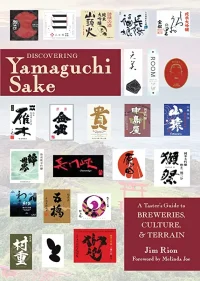
I also enjoyed his translations of Japanese Lovecraftian literature.
Culture Discovering Yamaguchi Sake
Discovering Yamaguchi Sake: A Taster’s Guide to Breweries, Culture, and Terrain
I also enjoyed his translations of Japanese Lovecraftian literature.
- 14 Mar 2002
- 21,053
- 18,908
Asahi Shuzō in Yamaguchi, the company behind the popular "Dassai" brand, has announced plans to brew rice wine on the International Space Station next year. 
The company's recent project, which involved sending rice, koji mould, and yeast to the International Space Station (ISS) in late 2025, is a significant step towards its ultimate goal of establishing a brewery on the moon. This ambitious endeavour is a collaboration with Mitsubishi Heavy Industries and the Aichi Center for Industry and Science Technology. Asahi Shuzo will utilize the Japanese Experiment Module "Kibo" on the ISS, facilitated by a partnership with the Japan Aerospace Exploration Agency (JAXA).
Once in space, astronauts will combine the provided ingredients with water to initiate the fermentation process. The resulting mixture, "moromi," will be automatically stirred and monitored for alcohol levels. After the fermentation, the "moromi" will be frozen and returned to Earth for further analysis and, potentially, eventual consumption.
I guess I needn't put it on my wishlist:
The company's recent project, which involved sending rice, koji mould, and yeast to the International Space Station (ISS) in late 2025, is a significant step towards its ultimate goal of establishing a brewery on the moon. This ambitious endeavour is a collaboration with Mitsubishi Heavy Industries and the Aichi Center for Industry and Science Technology. Asahi Shuzo will utilize the Japanese Experiment Module "Kibo" on the ISS, facilitated by a partnership with the Japan Aerospace Exploration Agency (JAXA).
Once in space, astronauts will combine the provided ingredients with water to initiate the fermentation process. The resulting mixture, "moromi," will be automatically stirred and monitored for alcohol levels. After the fermentation, the "moromi" will be frozen and returned to Earth for further analysis and, potentially, eventual consumption.
I guess I needn't put it on my wishlist:
Asahi Shuzo plans to use that moromi to produce a single 100-milliliter bottle of "Dassai MOON–Space Brew." This special bottle will be sold for a suggested retail price of 100 million yen ($653,000), with all proceeds going to domestic space development projects. The company believes that sake brewing is more suitable for space experiments than winemaking, since rice is lighter and contains less water than grapes.
- 14 Mar 2002
- 21,053
- 18,908
Takahashi Mie is among only 33 female toji (master brewers) in Japan. She is in charge of Koten Brewery in Nagano.
AP looks at Japan's sake industry, why more women are entering sake brewing, and why, historically, they were banned from entering breweries.
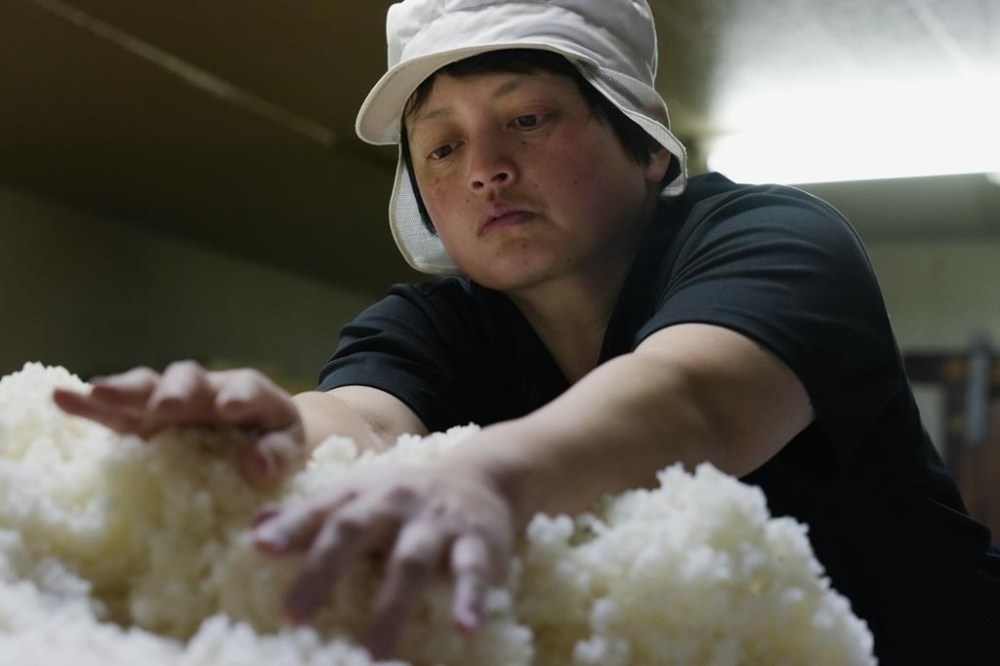
Takahashi Mie (photo credit: AP)
AP looks at Japan's sake industry, why more women are entering sake brewing, and why, historically, they were banned from entering breweries.
Takahashi Mie (photo credit: AP)
Takahashi is one of a small group of female toji, or master sake brewers. Only 33 female toji are registered in Japan's Toji Guild Association out of more than a thousand breweries nationwide. That's more than several decades ago. Women were largely excluded from sake production until after World War II. Sake-making has over a thousand years of history, with strong roots in Japan's traditional Shinto religion. However, an unspoken rule barred women from breweries when the liquor began to be mass-produced during the Edo period, from 1603 until 1868. The reasons behind the ban remain obscure. One theory is that women were considered impure because of menstruation and were therefore excluded from sacred spaces, said Yasuyuki Kishi, vice director of the Sakeology Center at Niigata University. "Another theory is that as sake became mass-produced, a lot of heavy labour and dangerous tasks were involved," he said. "So the job was seen as inappropriate for women." However, the gradual breakdown of gender barriers and a shrinking workforce caused by Japan's fast-ageing population have created space for more women to work in sake production. "It's still mostly a male-dominated industry. But I think now people focus on whether someone has the passion to do it, regardless of gender," Takahashi said.
Link:
Koten Sake Brewery
Koten Shuzo was founded in Okaya, Nagano, in 1871 by Takahashi Mikinosuke. The brewery is now run by Takahashi Mie, one of only 33 female toji across Japan.
- JREF
- Views: 502
- Category: Nagano Prefecture
- 14 Mar 2002
- 21,053
- 18,908
Sake production in India??
Takahashi Shouten (founded in 1717 and known for brands like Shigemasu) aims to enter the large Indian market after sake UNESCO recognized brewing as an Intangible Cultural Heritage. The Fukuoka Prefecture-based company established an Indian subsidiary in February and, while awaiting a local manufacturing license, is currently conducting trial production and scouting manufacturing locations in India. The Japanese Embassy in India believes this makes Takahashi Shouten the first Japanese sake producer with an Indian subsidiary. Despite religious restrictions on alcohol consumption in India, the country's vast population (over 1.4 billion) presents a significant potential market, as even a small percentage of drinkers would exceed Japan's total population.

 www.japantimes.co.jp
Takahashi Shouten (founded in 1717 and known for brands like Shigemasu) aims to enter the large Indian market after sake UNESCO recognized brewing as an Intangible Cultural Heritage. The Fukuoka Prefecture-based company established an Indian subsidiary in February and, while awaiting a local manufacturing license, is currently conducting trial production and scouting manufacturing locations in India. The Japanese Embassy in India believes this makes Takahashi Shouten the first Japanese sake producer with an Indian subsidiary. Despite religious restrictions on alcohol consumption in India, the country's vast population (over 1.4 billion) presents a significant potential market, as even a small percentage of drinkers would exceed Japan's total population.
According to trade statistics from Japan's Finance Ministry, the East Asian country's sake exports to India totaled ¥29 million last year, far lower than the ¥12.4 billion in sales to China, which has a similar population size. Nakagawa said he is glad that sake brewing skills became listed as UNESCO Intangible Cultural Heritage as this has made it easier to explain sake to people in India, where the drink is not well known. Ingredients other than koji mold, such as rice and water, will be sourced locally in order to create an Indian local sake. Nakagawa expressed "worry and excitement" as this may lead to the sake tasting differently from that made in Japan. Imports of sake from Japan are subject to high tariffs, and sales prices can be up to 10 times higher depending on the store, said Aditya Kumar Vijay, 42, head of Takahashi Shouten's local unit. The unit aims to distribute sake across the country by reducing costs through domestic production.
Japanese sake brewery to make foray into Indian market
Takahashi Shouten, based in the city of Yame in Fukuoka Prefecture, launched a subsidiary in India in February.
- 14 Mar 2002
- 21,053
- 18,908
JT on the emergence of brewery tourism in Japan:
Sake consumption in Japan has declined significantly since its peak in 1973, with current consumption levels at less than a third of that era. While overall alcohol consumption in Japan is declining, the decrease in regular-grade sake consumption is particularly notable. At the same time, the global demand for sake is flourishing: exports surged to ¥47.5 billion in 2022 from ¥11.5 billion recorded in 2014, driven by a rising international interest in sake, with an increasing number of restaurants and stores worldwide introducing it to their clientele. A survey conducted by the Japan Travel and Tourism Association revealed that "drinking sake" ranked sixth among the most anticipated activities for overseas visitors in 2019. This interest has grown significantly, with "drinking sake" now ranking fifth in the 2023 survey.
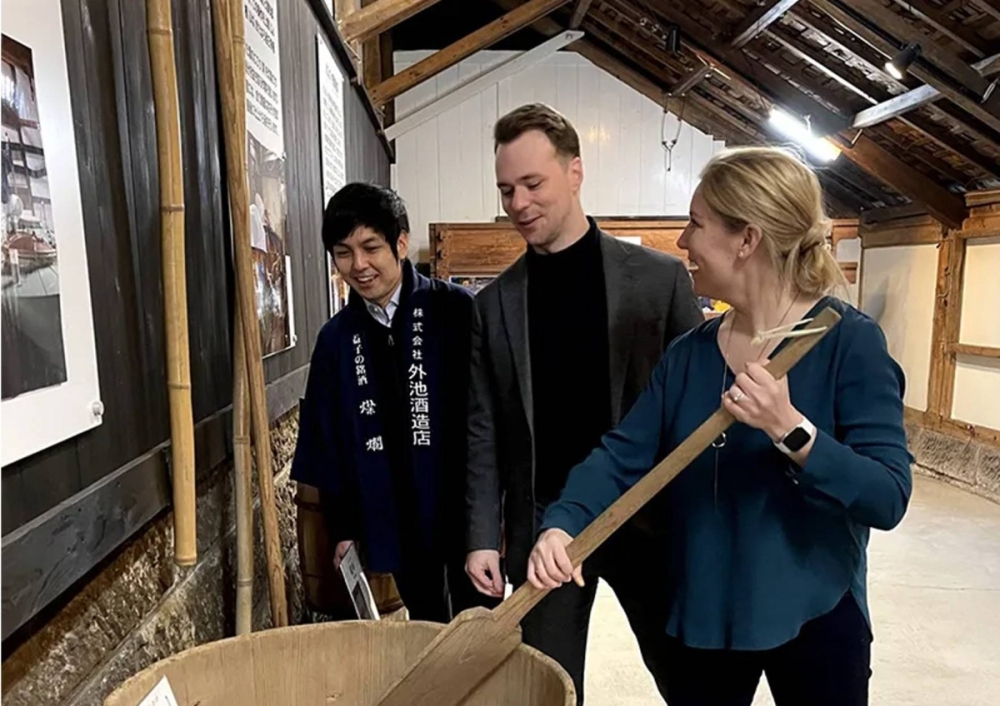
Tonoiki Sake Brewery
Examples of sake breweries that cater to tourists and foreign visitors are Sasaki Shuzo in Kyoto and Tonoike Brewery in Tochigi:
 www.japantimes.co.jp

 www.jurakudai.com
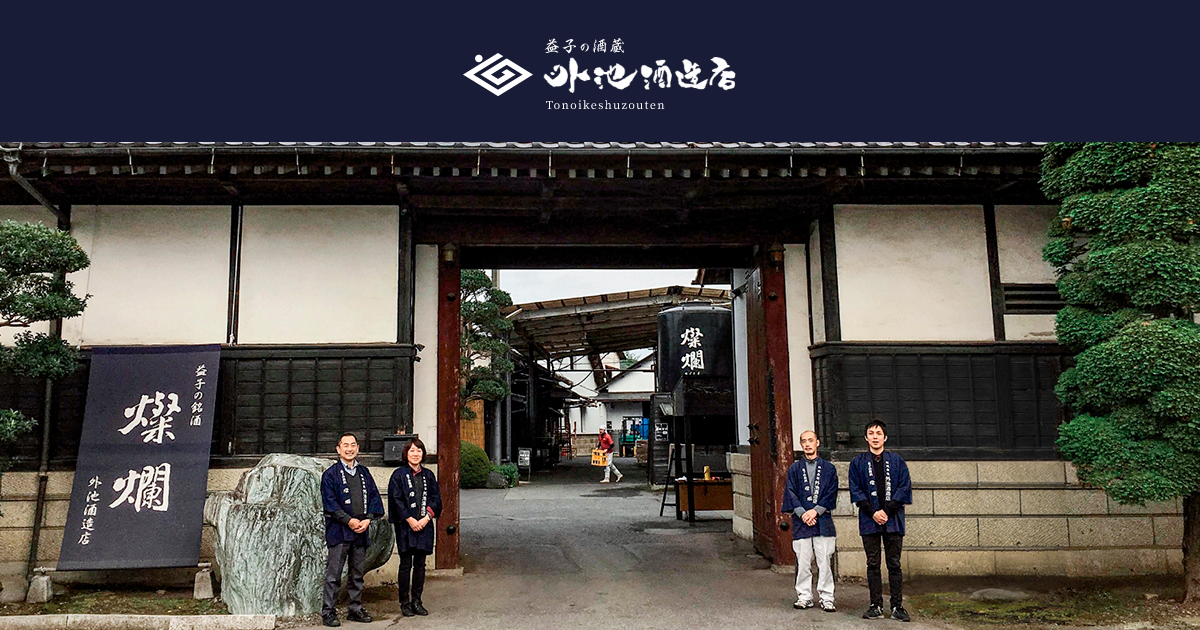
 tonoike.jp
Sake consumption in Japan has declined significantly since its peak in 1973, with current consumption levels at less than a third of that era. While overall alcohol consumption in Japan is declining, the decrease in regular-grade sake consumption is particularly notable. At the same time, the global demand for sake is flourishing: exports surged to ¥47.5 billion in 2022 from ¥11.5 billion recorded in 2014, driven by a rising international interest in sake, with an increasing number of restaurants and stores worldwide introducing it to their clientele. A survey conducted by the Japan Travel and Tourism Association revealed that "drinking sake" ranked sixth among the most anticipated activities for overseas visitors in 2019. This interest has grown significantly, with "drinking sake" now ranking fifth in the 2023 survey.
Tonoiki Sake Brewery
Examples of sake breweries that cater to tourists and foreign visitors are Sasaki Shuzo in Kyoto and Tonoike Brewery in Tochigi:
By promoting sake breweries to overseas travelers and getting them to travel to rural areas they otherwise might not visit, Sugino says the council hopes to relieve the issue of overtourism. Each brewery takes a different approach to incorporating the tourism element. Sasaki's company in Kyoto conducts tours all year round for visitors who sign up either through group trips organized by tourism companies such as JTB or directly at the company's website. Employees guide visitors around the actual factory where sake is made, and give them an explanation of the art and techniques that go into the process. The tour ends off with a sake tasting session and depending on the chosen tier — ranging from around ¥3,000 to ¥10,000 — visitors might get to sample higher-quality sake and an accompanying meal. Visitor numbers have increased every year since Sasaki incorporated the tour at his company around three years ago. Beginning with around 1,300 visitors in 2022, the number rose to 2,972 in 2023 and as of September this year, some 3,750 visitors had already taken the tour.
Traveling for sake’s sake: The emergence of brewery tourism in Japan
While sake consumption has declined in Japan, breweries across the nation are taking advantage of a rise in overseas interest to promote themselves as tourist destinations.
Links:
京都洛中・佐々木酒造株式会社のホームページへようこそ
〜名水にはぐくまれた伝承の技、伝統の味〜 京都の二条城北にある「佐々木酒造」のホームページです。京都市に所在する酒造の蔵元の中でも洛中に現存する唯一の蔵元です。
『益子の酒蔵』外池酒造店 懐かしくこころ癒ゆ酒蔵 | 日本酒や化粧品の製造・販売
栃木県の益子町にて1937年から創業。清酒「燦爛」や「望」をはじめ、焼酎・どぶろく・リキュールを製造。オリジナル日本酒コスメもあり、幅広い商品展開をしています。酒蔵見学コースやカフェも併設され、年間約7万人以上が訪れる観光酒蔵としても親しまれています。
- 14 Mar 2002
- 21,053
- 18,908
Last year, sake-making received official recognition as a UNESCO Intangible Cultural Heritage, highlighting its cultural significance in Japan. In response, Kenbishi Shuzō, one of Japan's oldest sake breweries, has reaffirmed its dedication to preserving traditional sake barrel-making as part of its commitment to upholding this century-old heritage.
Kenbishi Shuzō is one of Japan's oldest sake breweries, founded in 1505. It's located in Hyōgo Prefecture's Nada-Gogo, the largest sake-producing area in Japan. Traditional wooden sake barrels wrapped in decorative straw mats, called komodo, are the third sake brewing-related product the company is now producing in-house, following other wooden sake utensils and the straw ropes wrapped around the barrels for transportation.
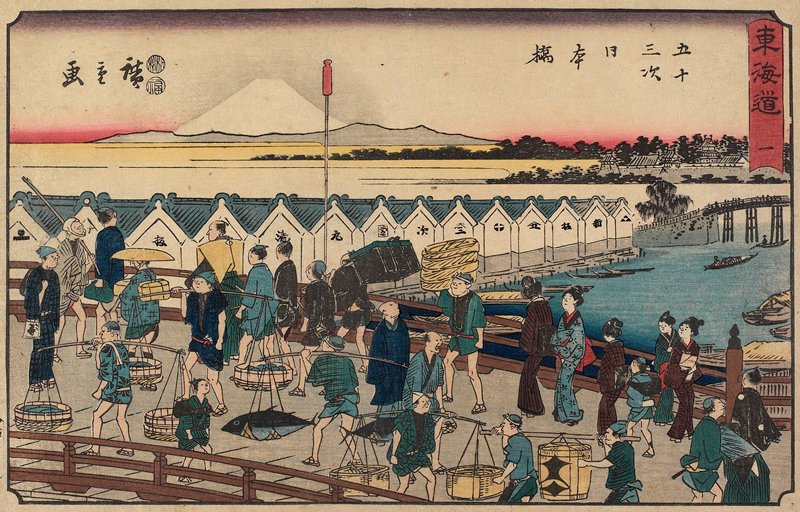
No.1 Nihonbashi Bridge, 1847-1852, Utagawa Hiroshige; publisher: Maruya Seijirō
Kenbishi Shuzō traditionally made its sake barrels using straw and other natural materials to show its deep appreciation for the natural world and use in ceremonial offerings. However, in 2016, the company's supplier of straw rope ceased production when its manufacturing machine broke down. Vinyl barrels were used instead, but something never felt quite right about that.

 soranews24.com
Kenbishi Shuzō is one of Japan's oldest sake breweries, founded in 1505. It's located in Hyōgo Prefecture's Nada-Gogo, the largest sake-producing area in Japan. Traditional wooden sake barrels wrapped in decorative straw mats, called komodo, are the third sake brewing-related product the company is now producing in-house, following other wooden sake utensils and the straw ropes wrapped around the barrels for transportation.
With a long history dating back to the Eishō period (1504-1521), Kenbishi Shuzo has delighted sake consumers for hundreds of years and even found its way into contemporary art. Take the following Edo-period ukiyo-e woodblock print in Hiroshige Utagawa's famous Fifty-three Stations of the Tokaido series, for instance, in which a sake barrel with Kenbishi Shuzo's distinctive emblem is shown being carried by two men in the lower right.
No.1 Nihonbashi Bridge, 1847-1852, Utagawa Hiroshige; publisher: Maruya Seijirō
Kenbishi Shuzō traditionally made its sake barrels using straw and other natural materials to show its deep appreciation for the natural world and use in ceremonial offerings. However, in 2016, the company's supplier of straw rope ceased production when its manufacturing machine broke down. Vinyl barrels were used instead, but something never felt quite right about that.
Kenbishi Shuzo sake brewery commits to production of traditional wooden sake barrels
One of Japan's oldest breweries carries on the craft as UNESCO registers Japanese sake brewing as Intangible Cultural Heritage this month.
soranews24.com
- 14 Mar 2002
- 21,053
- 18,908
With the rising global popularity of Japanese cuisine, sake breweries are looking to capitalise on the trend. Local governments are supporting them by promoting the traditional beverage as an integral part of their regional history and culture. These efforts seem to be yielding results. The volume of sake exports last year was 90% higher than a decade ago, driven by strong demand from the U.S. and China. The export value also saw a 6% year-on-year increase, reaching 43.4 billion yen ($285 million).
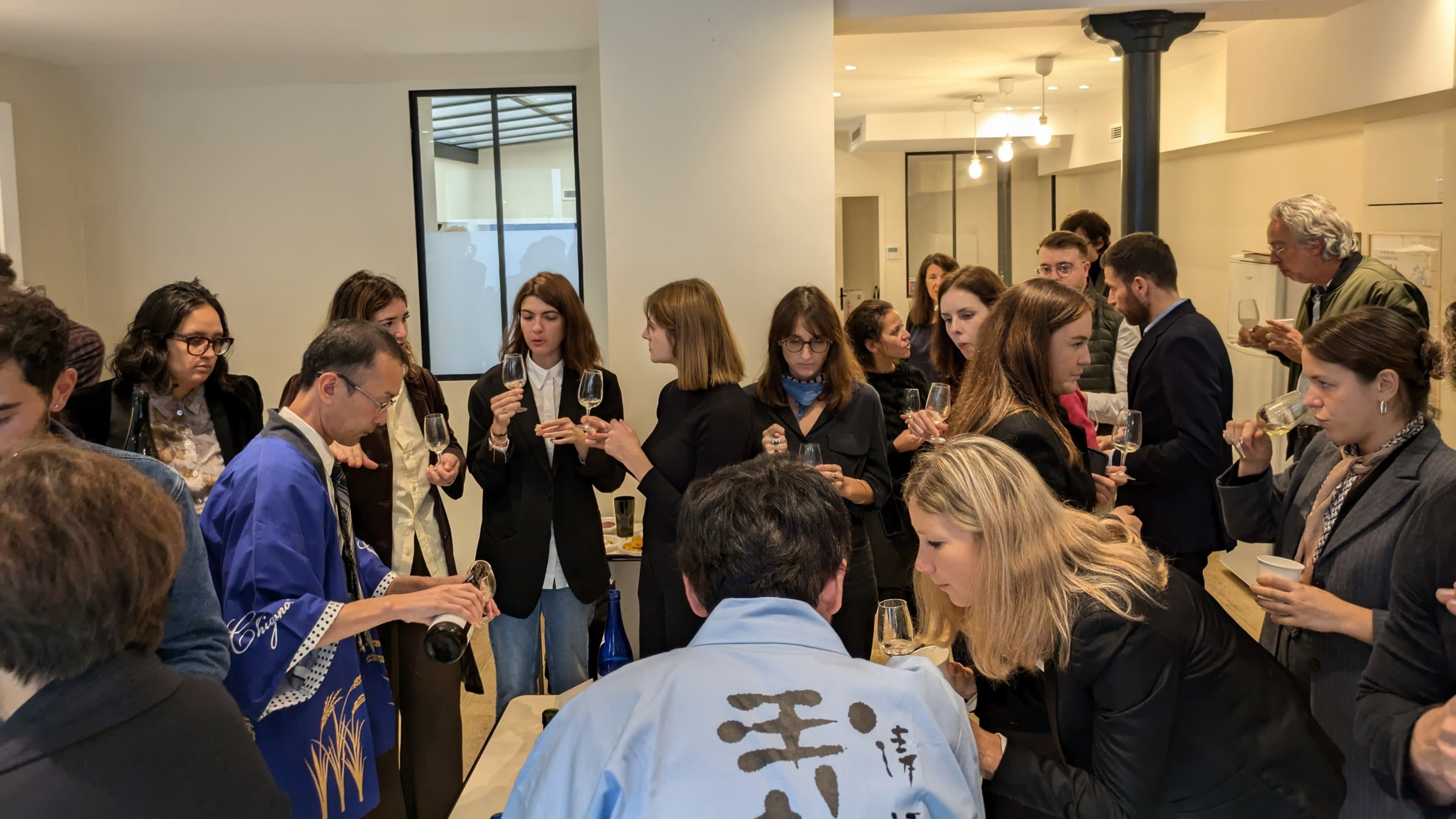
Gifu sake presentation in Paris (photo credit: Nikkei)
Nikkei Asia looked at Asahi Shuzo in Yamaguchi, maker of the famous Dassai brand, which began exporting sake around 2000 and opened a brewery in the Hudson Valley region of New York state in 2023. Exports accounted for 6.8 billion yen of Asahi Shuzo's 17.5 billion yen in sales for the year ended September 2023, making the brewery the top sake exporter; at Miwa Shuzo from Gifu, producer of nigori—unfiltered and cloudy—sake and other products to about 20 markets, mainly in Europe, the U.S. and Southeast Asia. Overseas markets account for 15% of total shipments; and at Miyagi, a Pacific coastal prefecture on Honshu, which has worked with local sake brewers to target the European market under the Miyagi Style marketing campaign that began in 2021. The focus for sake exports was mainly on Asia, but the prefecture decided that recognition in Europe was essential to enhance the Miyagi sake brand.
Gifu Prefecture has hosted promotional events for sake in New York, Hong Kong, and European cities. Based on feedback from breweries, the prefectural government has taken creative steps to help increase business, including holding tasting events for not only importers but also sommeliers who make purchasing decisions. The mountainous prefecture in central Japan also publishes a catalogue in four languages—English, French, Chinese, and Japanese—profiling 45 breweries. Exports from Gifu surged 80% over the five years to 2023.
Paywall alert:

 asia.nikkei.com
Gifu sake presentation in Paris (photo credit: Nikkei)
Nikkei Asia looked at Asahi Shuzo in Yamaguchi, maker of the famous Dassai brand, which began exporting sake around 2000 and opened a brewery in the Hudson Valley region of New York state in 2023. Exports accounted for 6.8 billion yen of Asahi Shuzo's 17.5 billion yen in sales for the year ended September 2023, making the brewery the top sake exporter; at Miwa Shuzo from Gifu, producer of nigori—unfiltered and cloudy—sake and other products to about 20 markets, mainly in Europe, the U.S. and Southeast Asia. Overseas markets account for 15% of total shipments; and at Miyagi, a Pacific coastal prefecture on Honshu, which has worked with local sake brewers to target the European market under the Miyagi Style marketing campaign that began in 2021. The focus for sake exports was mainly on Asia, but the prefecture decided that recognition in Europe was essential to enhance the Miyagi sake brand.
Gifu Prefecture has hosted promotional events for sake in New York, Hong Kong, and European cities. Based on feedback from breweries, the prefectural government has taken creative steps to help increase business, including holding tasting events for not only importers but also sommeliers who make purchasing decisions. The mountainous prefecture in central Japan also publishes a catalogue in four languages—English, French, Chinese, and Japanese—profiling 45 breweries. Exports from Gifu surged 80% over the five years to 2023.
Paywall alert:
Japan sake breweries head abroad to tap new enthusiasts
Localities look to help brewers by courting sommeliers and Italian restaurants
asia.nikkei.com
- 14 Mar 2002
- 21,053
- 18,908
One of the most famous sake producers, Asahi Shuzō, will rebrand as Dassai Inc. in June, leveraging its well-known brand name to strengthen global recognition and expand international sales. In his second term as prime minister, Shinzo Abe gave a bottle of Dassai sake to U.S. President Obama as a gift.
The brewery, whose predecessor was founded in 1770, is aiming for annual sales of 100 billion yen ($641 million)--30 billion yen at home and 70 billion yen abroad. Hiroshi Sakurai, the third-generation president of Asahi Shuzo who now serves as chairman, developed Dassai around 1990 and expanded its business to Tokyo. Almost all Dassai products are top-quality "junmai daiginjo" sake made of highly polished rice. The brand became popular for its fruity flavor and refreshing feel. [...] The company said it sold 19.5 billion yen worth of Dassai products in the business year ending in September 2024, including 10.8 billion yen in Japan and 8.7 billion yen abroad.
- 14 Mar 2002
- 21,053
- 18,908
Two years ago, 27-year-old Mitsuyuki Hiramatsu, a graduate student at Utsunomiya University, found himself at a crossroads, struggling with uncertainty about his future. During his second year of university, he launched his own import-export business, but the COVID-19 pandemic forced its closure. Disheartened, he took a part-time job at a restaurant in Utsunomiya to make ends meet. What he initially saw as a temporary means of support unexpectedly became a turning point in his life.
One day at work, he was chatting with his colleague, 21-year-old Minami Tamura, when their conversation turned to "doburoku," a traditional form of unrefined sake. The brewing process is straightforward: steamed rice is combined with water and rice malt and then left to ferment. Over time, this results in a smooth and flavourful doburoku.
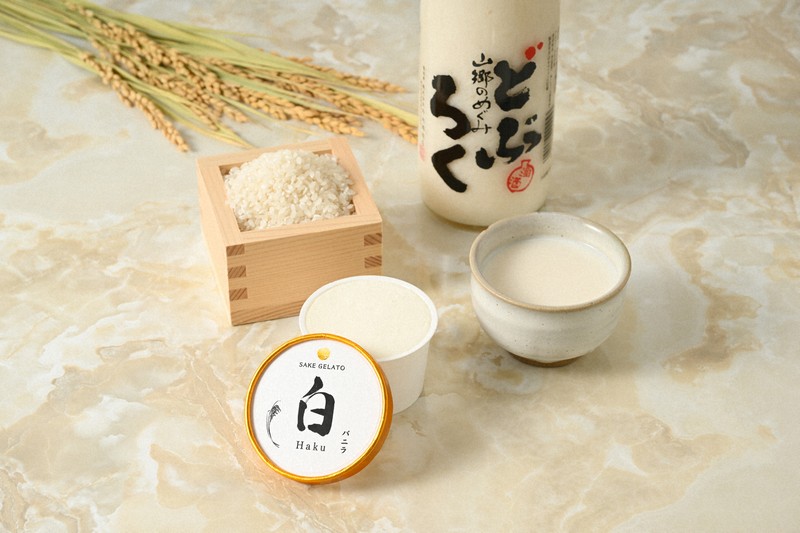
This photo, provided by Mitsuyuki Hiramatsu, shows the doburoku ice cream commercialized as "Haku." It can be bought at roadside stations in Tochigi Prefecture and other locations.
Doburoku:
This straightforward brewing process likely explains why nearly every farming household in Japan once made doburoku. However, with the Meiji-era government's ban on home brewing (1868–1912), all homemade doburoku was reclassified as "illicit liquor."
In recent years, though, doburoku has been making a comeback. In 2003, the government introduced "doburoku special zones," allowing home brewing in designated areas. Since then, municipalities nationwide have eagerly sought participation in the initiative.

 mainichi.jp
The original product isn't bad, either. We reviewed it here:
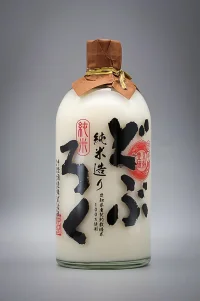
One day at work, he was chatting with his colleague, 21-year-old Minami Tamura, when their conversation turned to "doburoku," a traditional form of unrefined sake. The brewing process is straightforward: steamed rice is combined with water and rice malt and then left to ferment. Over time, this results in a smooth and flavourful doburoku.
This photo, provided by Mitsuyuki Hiramatsu, shows the doburoku ice cream commercialized as "Haku." It can be bought at roadside stations in Tochigi Prefecture and other locations.
Doburoku:
This straightforward brewing process likely explains why nearly every farming household in Japan once made doburoku. However, with the Meiji-era government's ban on home brewing (1868–1912), all homemade doburoku was reclassified as "illicit liquor."
In recent years, though, doburoku has been making a comeback. In 2003, the government introduced "doburoku special zones," allowing home brewing in designated areas. Since then, municipalities nationwide have eagerly sought participation in the initiative.
Tamura had heard from a farming acquaintance, "Even if a special zone allows us to make doburoku, there's no sales channel for it. We end up consuming most of it ourselves." Hiramatsu pondered how to make use of this revived traditional taste. His attention was drawn to a staple dessert served at the restaurant. "What if we made doburoku into ice cream?" he wondered. [...] After more than a year of trial production, they succeeded in creating a doburoku ice cream with an alcohol content of 5%. They began selling it at roadside stations in Tochigi Prefecture and other locations last autumn.
Nondrinkers team up in east Japan to produce traditional 'doburoku' sake ice cream - The Mainichi
TOKYO -- Two years ago, Mitsuyuki Hiramatsu, a 27-year-old graduate student at Utsunomiya University, found himself in the depths of despair with no c
The original product isn't bad, either. We reviewed it here:
Nakano Kunizakari Junmai Doburoku
Nakano Kunizakari Junmai Doburoku (國盛 純米どぶろく) is made from 100% contract-grown rice and is bottled as-is without filtering. Best served cold.
Doburoku means "home-brewed sake". Bootlegging was outlawed in the Meiji period. Nowadays, doburoku refers to sake with a lower volume of alcohol and a...
- 14 Mar 2002
- 21,053
- 18,908
The Cultural Affairs Agency has devised a new policy to designate skilled Japanese food artisans, including chefs and toji master sake brewers, as living national treasures. The agency plans to revise the criteria for recognising specific skills as cultural assets. Based on these updated criteria, it will also amend the standards for certifying individuals as living national treasures, formally known as holders of important intangible cultural assets.

 japannews.yomiuri.co.jp
Living national treasures are currently recognized in two fields: performing arts, such as theater and music, and craft techniques including pottery and dyeing. No one holds this status in a food-related field at the present time. To pass on valuable food-related skills and improve the social status of food-related artisans, the agency is expected to recognize them as living national treasures in the field of "life culture." There are established criteria for recognizing performing arts and craft techniques — the art involved must be "of particularly high artistic value" and artisans must "embody the techniques at a high level." Similar criteria will also be established in the field of life culture.
Chefs, Master Sake Brewers to Be Named Living Treasures; Government Aiming to Protect Japan’s Food Culture’
<p>A policy to recognize chefs, toji master sake brewers and other skilled Japanese food artisans as living national treasures has been mapped out by the Cultural Affairs Agency, The Yomiuri Shimbun has learned.</p>
japannews.yomiuri.co.jp
This seems like korean makgeolli? I've drunk a lot of that once upon a time...conversation turned to "doburoku," a traditional form of unrefined sake. The brewing process is straightforward: steamed rice is combined with water and rice malt and then left to ferment.
Even made some once, on the sly. Two korean co-workers had gotten some 'nuruk' from a farmer or something (the rice/malt starter). But since making makgeolli on your own was illegal, the solution was that I could make it in my room, and somehow that would be okay (word would not get around--they had wives who would talk to others about it).
I forget the proportions and so on, but they mixed it up in a ceramic pot, covered it, and left it on my warm floor for something like a week. Yield was something like 5-6 liters, and that was enough for a couple wild evenings. The good part, as I recall, was to let it settle and take the clearer liquid off the top. Killer stuff.
- 14 Mar 2002
- 21,053
- 18,908
makgeolli
Makgeolli usually has 5-6% of alcohol (ABV), doburoku can have anything from 6 to 14%.
- 14 Mar 2002
- 21,053
- 18,908
On 27 March, Brooklyn Kura, a New York-based sake brewery, became the first U.S. sake producer to export its products to Japan. This milestone comes from a partnership between Brooklyn Kura, founded in 2018, and Hakkaisan in Niigata Prefecture. Their collaboration, which began in 2021, has focused on exchanging ideas for product development and expanding sake's presence among American consumers.
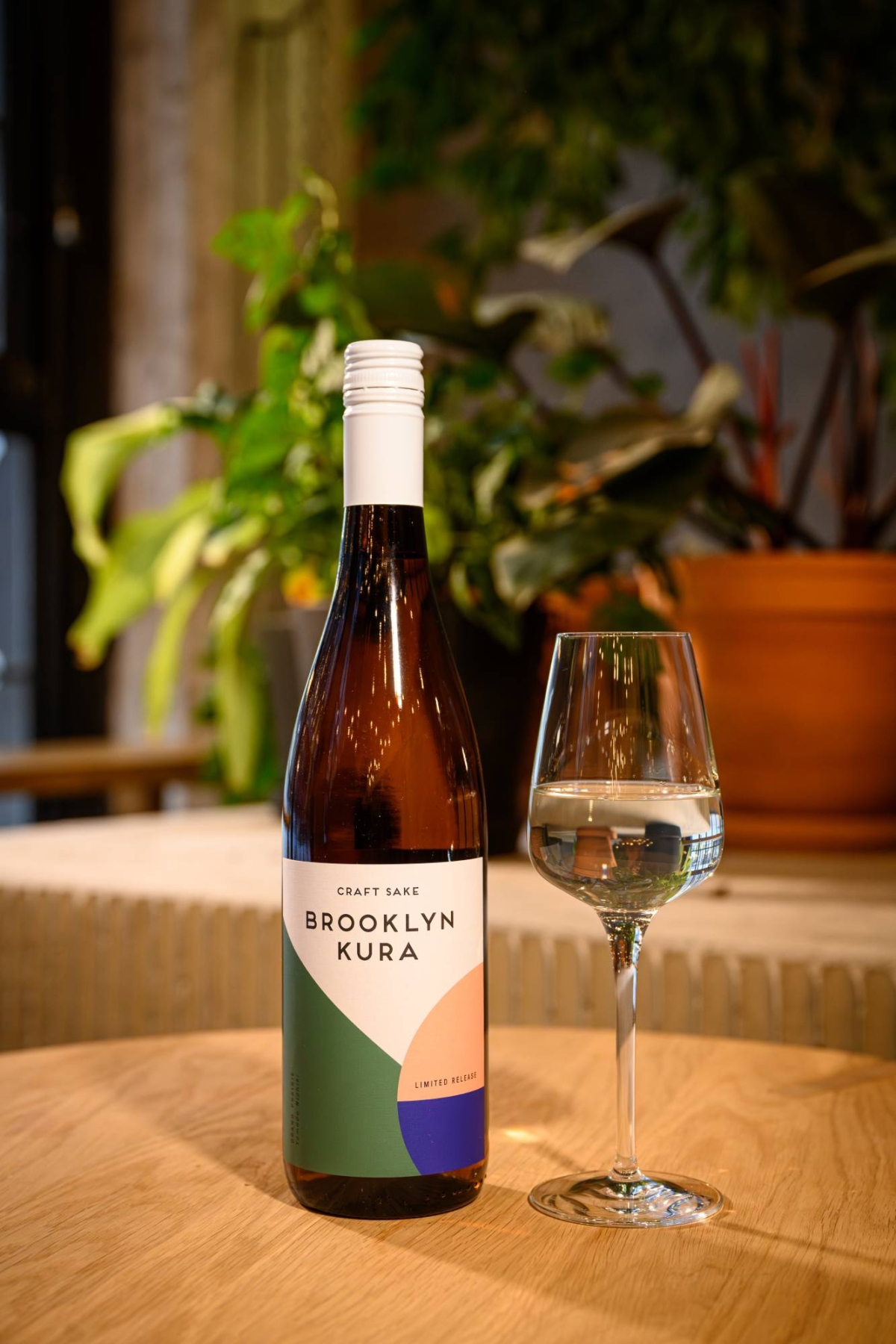
Now, the flow is reversing. Brian Polen, co-founder and president of Brooklyn Kura, did not disclose the exact number of cases being exported but mentioned that the "initial volume is relatively small." However, the brewery's sake will soon be available at select bars, restaurants, and liquor shops across Japan.
Sake consumption in the U.S. is strong. According to the Japanese Sake and Shochu Makers Association, exports from Japan to the U.S. doubled from 2012 to 2022—from less than 4 million litres per year to 9 million litres per year—making the country the biggest export market for sake by volume.
 www.japantimes.co.jp

 www.brooklynkura.com
Now, the flow is reversing. Brian Polen, co-founder and president of Brooklyn Kura, did not disclose the exact number of cases being exported but mentioned that the "initial volume is relatively small." However, the brewery's sake will soon be available at select bars, restaurants, and liquor shops across Japan.
Brooklyn Kura's foray into Japan comes at a challenging time. While sake continues to grow in popularity globally, its consumption has declined in Japan, where its image as an old man's drink remains hard to shake off. However, Polen thinks Japanese consumers are "open to trying" American-made sake. "Just like Japanese whisky finding success around the world or Californian wines winning awards in France, we believe Japanese consumers will recognize the quality of our products and the care that went into making them," he says. "In our taproom in Brooklyn, many of our customers are Japanese, and since our first sale in 2018, we have had active and continuous support from the Japanese sake industry and Japanese consumers."
Sake consumption in the U.S. is strong. According to the Japanese Sake and Shochu Makers Association, exports from Japan to the U.S. doubled from 2012 to 2022—from less than 4 million litres per year to 9 million litres per year—making the country the biggest export market for sake by volume.
New York’s Brooklyn Kura becomes first U.S. sake exporter to Japan
The brewer’s initial exports are “relatively small,” but it hopes drinkers in Japan are “open to trying” American-made sake.
Brooklyn Kura
Local. Craft. Sake. Brewery. Online Store. Tap Room. Event Space. Industry City. Drink. Party. Inspired by Tradition. Brewed in Brooklyn.
www.brooklynkura.com
- 14 Mar 2002
- 21,053
- 18,908
Great advertising opportunity I guess.

 japantoday.com
 www.asahishuzo.ne.jp
Yamaguchi-based Asahi Shuzo, known for its Dassai sake brand, in February took a leap forward, unveiling at an event in Tokyo a bottle of high-end sake that it will attempt to brew in space. The price for the 100-milliliter bottle of Dassai Moon is 110 million yen -- the going rate for an alcoholic beverage produced in space given that it will be the first of its kind. Inspired by the U.S.-led Artemis moon exploration program and other efforts to establish a sustainable human presence on the Moon, Asahi Shuzo is serious about wanting the eventual inhabitants to be able to enjoy a low-gravity tipple.
Innovation over tradition sending Dassai sake to the moon
If humans eventually colonize the moon, the early settlers might toast their success with a bottle of sake, realizing the dream of brewer Asahi Shuzo Co. Yamaguchi-based Asahi Shuzo, known for its Dassai sake brand, in February took a leap forward, unveiling at an event in Tokyo a bottle of…
japantoday.com
Brewing Sake in Space for the first time in Human History. - Dassai|Asahishuzo
- 14 Mar 2002
- 21,053
- 18,908
With rice prices soaring, sake breweries find it increasingly difficult to obtain the specialized rice required for brewing as farmers shift their focus toward more profitable table rice varieties.
The cost of rice for consumption has risen sharply, outpacing that of sake rice. In response, many farmers are devoting more land to growing and eating rice, reducing the space allocated to rice used in sake production. Faced with supply shortages, some brewery operators are reportedly considering scaling back or suspending output for the 2025 harvest season. A Hyogo Prefecture Sake Rice Promotion Association representative noted the difficult conditions facing the agriculture sector and expressed hope that brewing rice could be purchased at the same price as table rice, allowing farmers to continue cultivating it as before.
Local governments have introduced support measures to help breweries facing financial strain. In its 2025 initial budget, Ehime Prefecture allocated 23.62 million yen to assist brewers by covering 10% of their sake rice purchase costs. Prices for sake rice grown in the region have seen notable increases, with the Matsuyama Mii variety up by 18% and Shizukuhime up by 14% compared to the previous year, forcing some breweries to scale back production.
Yamagata Prefecture has also responded, setting aside 40.1 million yen in its February supplementary budget. The funds will subsidize 50% of the price hikes for four local sake rice varieties, including Yukimegami and Dewa no Sato, benefiting the prefecture's 49 breweries.
The cost of rice for consumption has risen sharply, outpacing that of sake rice. In response, many farmers are devoting more land to growing and eating rice, reducing the space allocated to rice used in sake production. Faced with supply shortages, some brewery operators are reportedly considering scaling back or suspending output for the 2025 harvest season. A Hyogo Prefecture Sake Rice Promotion Association representative noted the difficult conditions facing the agriculture sector and expressed hope that brewing rice could be purchased at the same price as table rice, allowing farmers to continue cultivating it as before.
Sake rice varieties are more difficult to grow than staple rice. Their yields per unit area are also lower, which has resulted in higher prices than rice varieties for eating—until recently. Data compiled by the agriculture ministry shows that a 60-kilogram bag of Yamada Nishiki rice cost around 24,000 yen ($159) before tax during the 2013-2023 harvest seasons, well above the 11,000 yen to 14,000 yen for staple food rice. The Gohyakumangoku species, which originates from Niigata Prefecture and is described as the top-quality sake rice in eastern Japan, was valued at around 16,000 yen, excluding tax, during the same period. Over that time, staple rice prices never exceeded those for sake-brewing variants and were sometimes less than half the price. That all changed during the latest supply shortage of staple rice, which caused the price to skyrocket. The price of staple rice harvested in 2024 hit a record high of 24,006 yen before tax, or 25,927 yen after tax, in January 2025. The figure further rose in February to 24,523 yen and 26,485 yen before and after tax, respectively. These figures are higher than the average trade value of 23,655 yen for Yamada Nishiki, the most expensive sake rice variety, for the 2013-2023 period.
Local governments have introduced support measures to help breweries facing financial strain. In its 2025 initial budget, Ehime Prefecture allocated 23.62 million yen to assist brewers by covering 10% of their sake rice purchase costs. Prices for sake rice grown in the region have seen notable increases, with the Matsuyama Mii variety up by 18% and Shizukuhime up by 14% compared to the previous year, forcing some breweries to scale back production.
Yamagata Prefecture has also responded, setting aside 40.1 million yen in its February supplementary budget. The funds will subsidize 50% of the price hikes for four local sake rice varieties, including Yukimegami and Dewa no Sato, benefiting the prefecture's 49 breweries.
- 14 Mar 2002
- 21,053
- 18,908
Fujii Shuzō in Usuki, a centuries-old sake brewery in Oita Prefecture, has launched a hands-on seminar for foreign sommeliers. The seminar will introduce them to traditional Japanese brewing methods, which UNESCO recognised last year as part of its Intangible Cultural Heritage list.
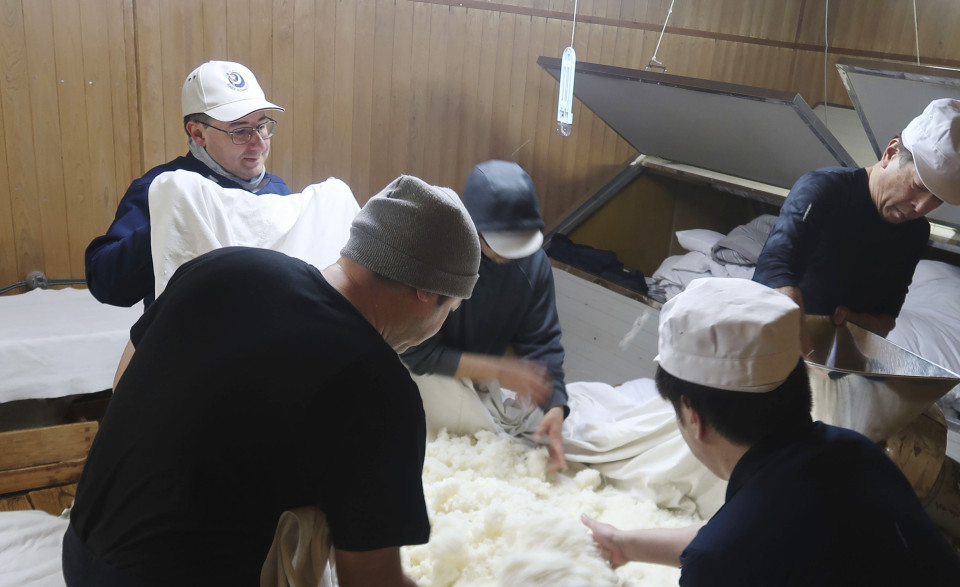
Fujii Shuzō in Usuki, Oita Prefecture (photo credit: Kyodo)
Held over five days, the seminar is a component of a broader programme run by the British-based Sake Sommelier Academy. Designed for seasoned professionals in the field, the course seeks to cultivate a greater global understanding and appreciation of sake. On 4th February, Austrian food and wine consultant Andre Cis, aged 40, steamed rice and prepared it with kōji rice mould and water in fermentation tanks. He described the brewing process as demanding and highly sophisticated, expressing a strong desire to introduce the sake he encountered to audiences back in Austria. Another participant from Israel also attended the seminar on a separate date.
Toru Fujii, the 50-year-old head of Fujii Shuzō, remarked that the event is a valuable opportunity to attract international interest in sake. Although some in Japan's domestic sake industry have voiced concern about potentially revealing trade secrets to foreign audiences, Fujii is more preoccupied with the ongoing decline of the domestic market.
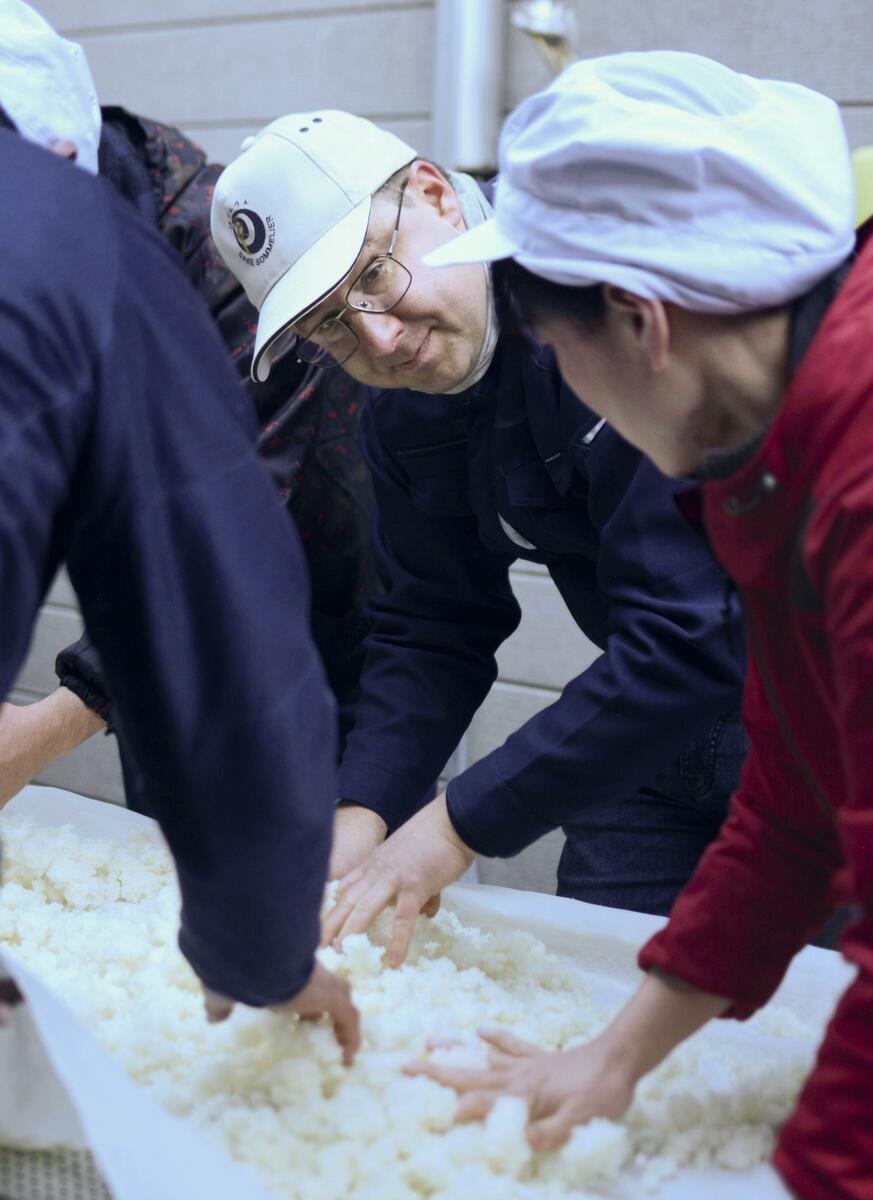
 english.kyodonews.net
We sampled Fujii Shuzō once before:
Fujii Shuzō in Usuki, Oita Prefecture (photo credit: Kyodo)
Held over five days, the seminar is a component of a broader programme run by the British-based Sake Sommelier Academy. Designed for seasoned professionals in the field, the course seeks to cultivate a greater global understanding and appreciation of sake. On 4th February, Austrian food and wine consultant Andre Cis, aged 40, steamed rice and prepared it with kōji rice mould and water in fermentation tanks. He described the brewing process as demanding and highly sophisticated, expressing a strong desire to introduce the sake he encountered to audiences back in Austria. Another participant from Israel also attended the seminar on a separate date.
Toru Fujii, the 50-year-old head of Fujii Shuzō, remarked that the event is a valuable opportunity to attract international interest in sake. Although some in Japan's domestic sake industry have voiced concern about potentially revealing trade secrets to foreign audiences, Fujii is more preoccupied with the ongoing decline of the domestic market.
Historic Japan sake brewery offering courses for foreign sommeliers
A sake brewery in southwestern Japan with an over 150-year history has begun offering a seminar for foreign sommeliers on the traditional techniques for making the Japanese alcoholic drink, which were added to UNESCO's Intangible Cultural Heritage list last year.
We sampled Fujii Shuzō once before:
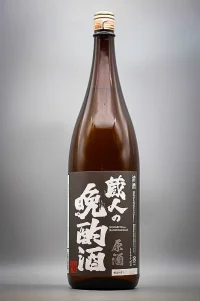
Fujii Kurabito no Banshaku Genshu
Fujii Kurabito no Banshaku Genshu (藤居 蔵人の晩酌酒 原酒) is an undiluted sake made by Fujii Brewery in Oita Prefecture. "Kurabito no Banshaku" translates to the sake brewer's evening drink, hinting that this sake originally crafted by master brewer Ogawa (小川杜氏) was reserved for the kurabito.
- 14 Mar 2002
- 21,053
- 18,908
Nikkei Asia on the changing image of nihonshu, from an "old man's drink" towards foreign shores and the lady clientele:
Sake, Japan's traditional brewed alcoholic beverage, has been gaining traction internationally for some time. Although its popularity received a boost last year when UNESCO recognised the traditional knowledge and techniques of sake brewing as an intangible cultural heritage, exports had already been on the rise.
In 2024, Japan exported 31,000 kilolitres of sake—more than double the volume from the previous year—bringing in over ¥43 billion (around $287.9 million), a 105.8% increase in value. Breweries such as Takara, a Kyoto-based sake producer with offices abroad, have been capitalising on the growing global interest by expanding into North America and partnering with European food and drink firms.
Paywall alert:
 asia.nikkei.com
Sake, Japan's traditional brewed alcoholic beverage, has been gaining traction internationally for some time. Although its popularity received a boost last year when UNESCO recognised the traditional knowledge and techniques of sake brewing as an intangible cultural heritage, exports had already been on the rise.
In 2024, Japan exported 31,000 kilolitres of sake—more than double the volume from the previous year—bringing in over ¥43 billion (around $287.9 million), a 105.8% increase in value. Breweries such as Takara, a Kyoto-based sake producer with offices abroad, have been capitalising on the growing global interest by expanding into North America and partnering with European food and drink firms.
The Japanese have long known that sake is their cuisine's most reliable friend, having the capacity to perk up even the humblest of foodstuffs (dried squid and sesame seeds, anyone?). Now it seems the rest of the world is catching on. Having an authentic sake-plus-Japanese food experience is one of the top five reasons why inbound tourists head to Japan. Tokyo bars are crowded with foreign travelers staring at the sake descriptions on translated-to-English menus. For the Japanese however, the strokes on the canvas are less bold. According to a survey conducted by a sake maker in Yamagata prefecture, young people in their 20s and 30s say that sake is not their drink, preferring fizzy cocktails. But sake has found a wider fan base among Japanese women. Compared with 2017, the number of women who prefer sake has doubled, according to PR Times, a Japanese business information provider. These women are in their mid-30s or older, and are discerning drinkers who have a favorite sake region and kura (independent sake brewing house) making handmade brews. They frequent small, tucked-away sake bars and are knowledgeable about which drinks to pair with foods.
Paywall alert:
Sake segues into the 21st century
Women and foreign drinkers are lapping up Japan's traditional 'old man's' drink
asia.nikkei.com
- 14 Mar 2002
- 21,053
- 18,908
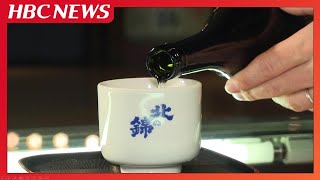
Rice prices remain elevated, and the impact of what is being referred to as the "Reiwa Rice Crisis" is extending well beyond ordinary table rice. One sake enthusiast, holding a glass of Kitano Nishiki brewed from Kuriyama-grown rice, remarked on its flavour, noting how distinctly the rice's sweetness comes through. With global interest in Japanese cuisine on the rise and the December 2024 inscription of "traditional sake brewing" on UNESCO's list of Intangible Cultural Heritage, Japanese sake has garnered increased international attention.
Yet this surge in recognition has coincided with serious challenges for sake brewers, who are being hit hard by the soaring cost of rice. One brewery representative admitted that the rise in rice prices has left them with little choice but to pass the burden on to consumers through higher product prices. The consequences are also being felt by sake rice growers. One farmer expressed concern that if the situation persists, it could lead to a decline in the cultivation of rice varieties explicitly used for sake production, or even force some farmers out of business altogether. With no clear end in sight, the Reiwa-era rice shortage is placing significant pressure on Japan's sake industry.
Yet this surge in recognition has coincided with serious challenges for sake brewers, who are being hit hard by the soaring cost of rice. One brewery representative admitted that the rise in rice prices has left them with little choice but to pass the burden on to consumers through higher product prices. The consequences are also being felt by sake rice growers. One farmer expressed concern that if the situation persists, it could lead to a decline in the cultivation of rice varieties explicitly used for sake production, or even force some farmers out of business altogether. With no clear end in sight, the Reiwa-era rice shortage is placing significant pressure on Japan's sake industry.
At Kobayashi Sake Brewery in Kuriyama Town, Hokkaido, a brewery with a history dating back to the Meiji period, the soaring price of rice is having a significant impact. Kobayashi Sake Brewery's Director, Kobayashi Beishu, states, "If the retail price of sake increases suddenly, restaurants and consumers will find it harder to afford." Concerns are growing that the price increases may lead to a decline in sake consumption, with some consumers turning away from sake due to higher prices. To address the increasing cost of raw materials, Kobayashi Sake Brewery is also working on refining its rice milling process to improve efficiency. "We are experimenting with 'flat milling,' which aims to reduce excessive polishing of the rice while maintaining a high yield, expecting to produce better sake," Kobayashi explains.
- 14 Mar 2002
- 21,053
- 18,908
Fushimi-based Gekkeikan Brewery has created a version of the traditional Japanese drink made exclusively from rice grown overseas, timed to coincide with the upcoming Osaka Kansai Expo. The initiative began in 2021 with the catchphrase, "Brewing world-class sake with rice from around the globe." The idea was spearheaded by younger staff in their twenties and thirties, who aimed to craft a sake that reflects both sustainability and global appeal. Producing sake entirely from rice cultivated outside of Japan is, according to Gekkeikan, a "highly unusual undertaking."
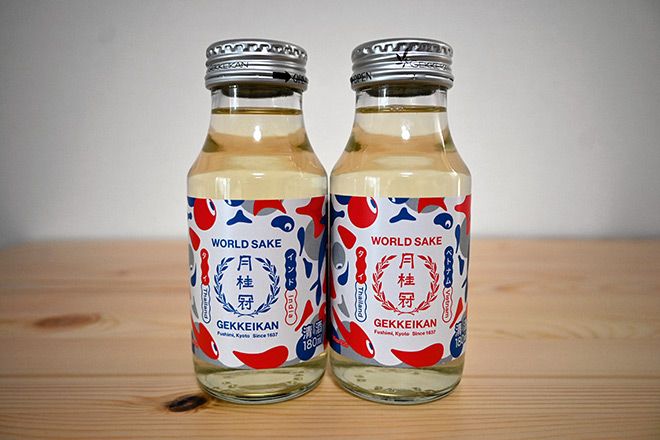
Gekkeikan's World Sake
Gekkeikan's World Sake
Gekkeikan conceived the idea of using rice harvested outside Japan when deliberating how to maintain its sake business. The company underwent a trial-and-error process to create the main "koji-mai" rice, which promotes the proliferation of "koji" mould. Rice varieties from Africa, Asia, North and South America and Italy were used in the experiments. Unlike Japan-made rice species, the foreign grains made the ingredient fermentation process "unpredictable." After close monitoring, the team realised distinctive flavours from the challenging phase. "We finally completed the intriguing sake," Mase recalled. "Their aromas are completely different from products brewed with domestically harvested rice." One of the brews utilises Vietnamese kake-mai and Thai koji-mai. Once chilled, the sake gives off a characteristic pineapple-like fragrance.

- 15 Mar 2002
- 22,919
- 472
- Thread starter
- #97
- 14 Mar 2002
- 21,053
- 18,908
Berlin is now home to Germany's first sake brewery. Reigen opened in Mitte in August 2024, set up beneath a former bowling alley on Gerichtstraße. Founded by Berliner Sebastian Mrohs, who first discovered sake while living in Japan, the brewery produces a European take on the drink. Instead of importing Japanese rice, Reigen uses Carnaroli rice from northern Italy, polished less than usual to give a fuller, drier flavour.
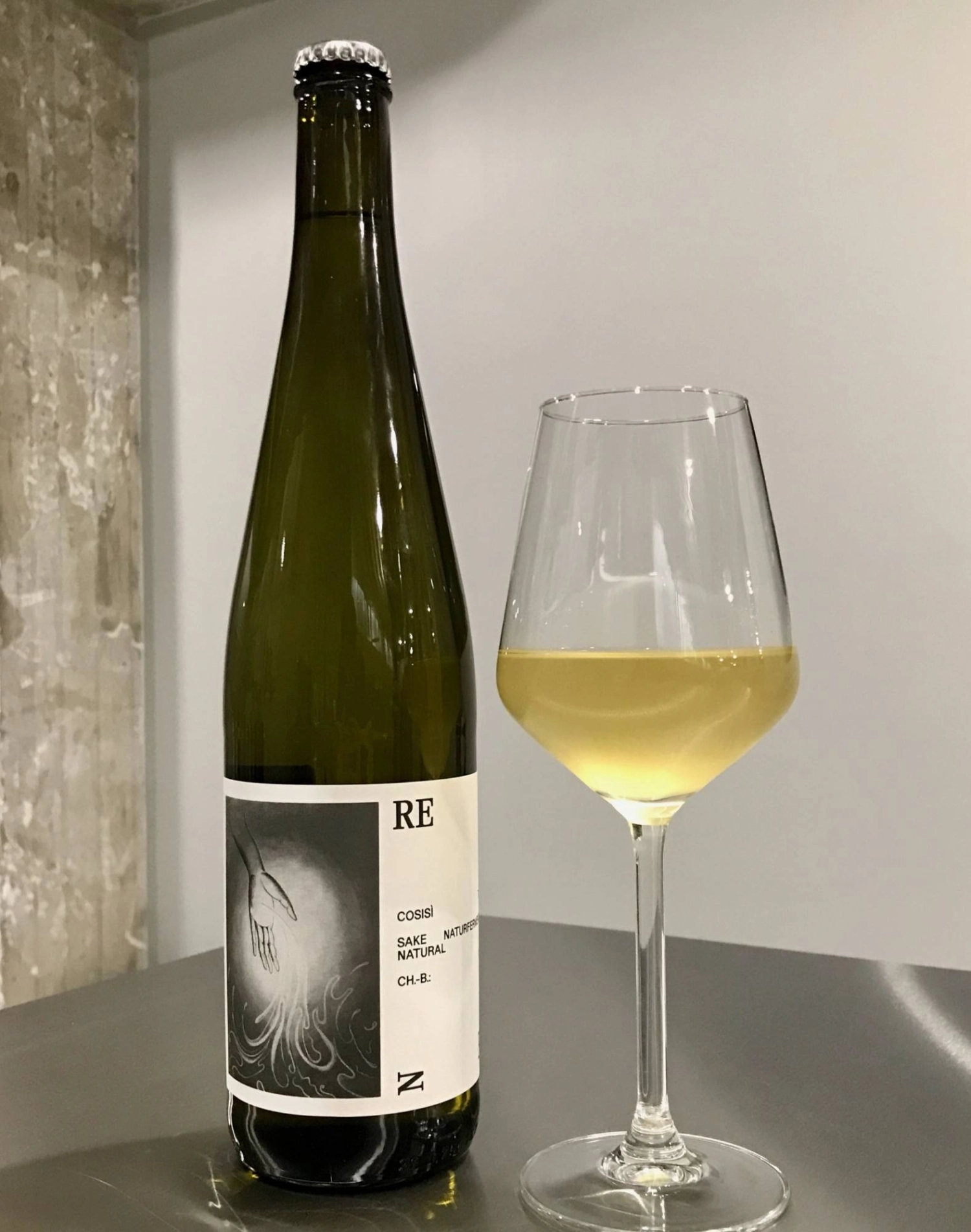
Reigen's Cosisi Natural
The brewery's sake has a golden colour, higher acidity and a style closer to wine, sometimes aged in barrels or infused with citrus. Production is still small—about 1,000 bottles a month—but bottles already appear at leading Berlin restaurants. While sake remains a niche market in Germany, Reigen aims to introduce it to broader European audiences, with Paris as a possible next step.
 www.japantimes.co.jp
Reigen's Cosisi Natural
The brewery's sake has a golden colour, higher acidity and a style closer to wine, sometimes aged in barrels or infused with citrus. Production is still small—about 1,000 bottles a month—but bottles already appear at leading Berlin restaurants. While sake remains a niche market in Germany, Reigen aims to introduce it to broader European audiences, with Paris as a possible next step.
Germany's first sakemaker offers a bold brew of ideas
Yellowish and high in acidity, German sake won't please the purists, but open-minded consumers, especially wine drinkers, may find something appealing.
Link:
- 14 Mar 2002
- 21,053
- 18,908
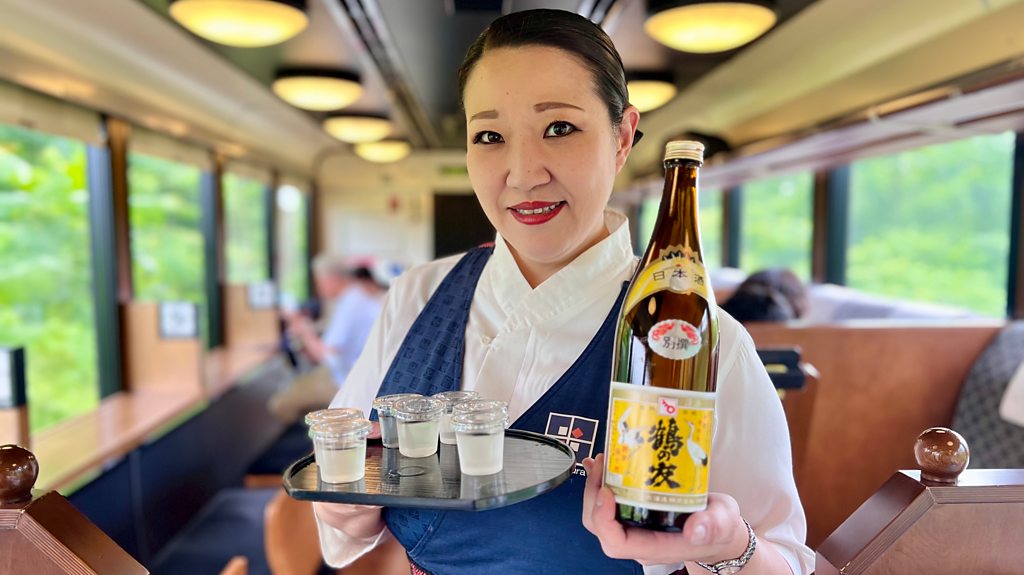
The BBC has a video on Niigata, Japan's kingdom of sake:
 www.bbc.com
Niigata on the west coast of Japan's Honshu Island has more sake breweries than any other prefecture. The area is is renowned for its frigid winters which create the perfect low-temperature setting for slow, gentle fermentation, resulting in a smoother and mellower tasting sake, Japan's famous rice wine.
A visit to Niigata, Japan's kingdom of sake
Niigata on the west coast of Japan's Honshu Island has more sake breweries than any other prefecture.
www.bbc.com
- 15 Mar 2002
- 22,919
- 472
- Thread starter
- #100


