- 14 Mar 2002
- 21,056
- 18,911
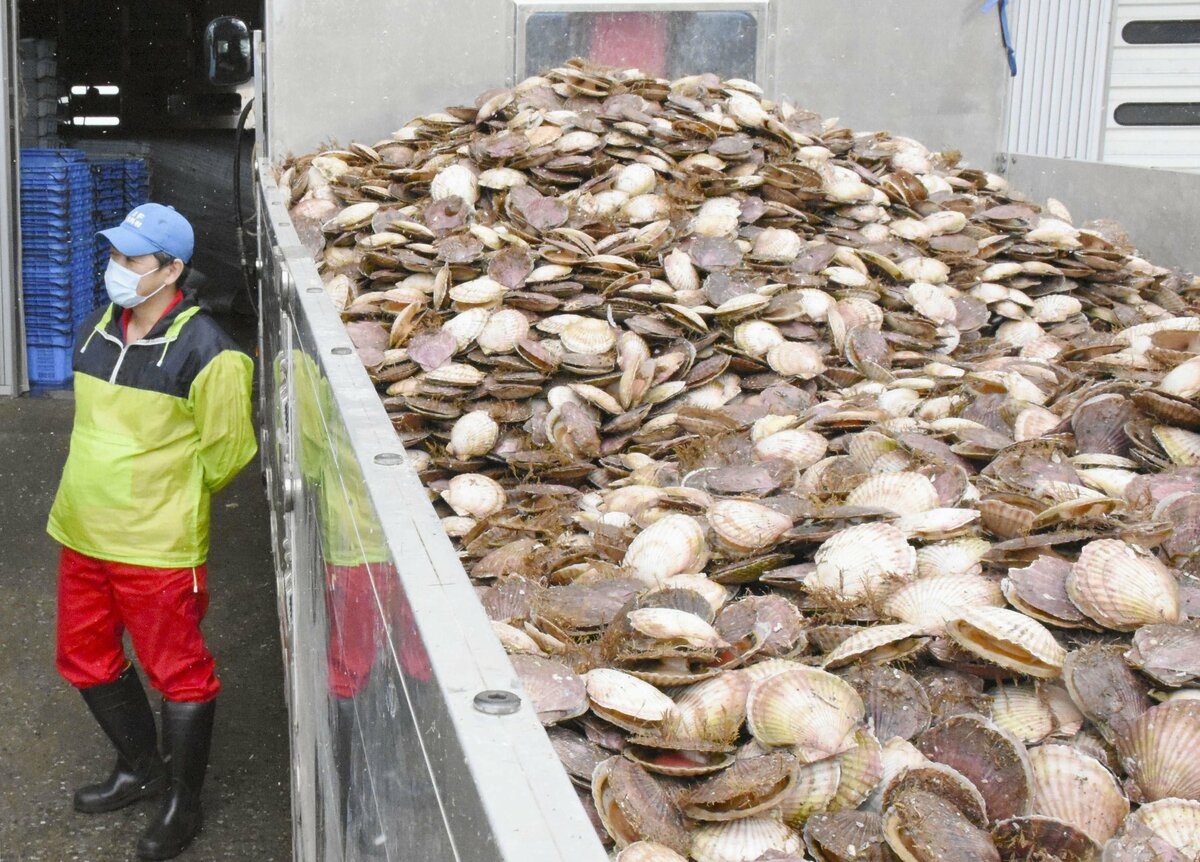
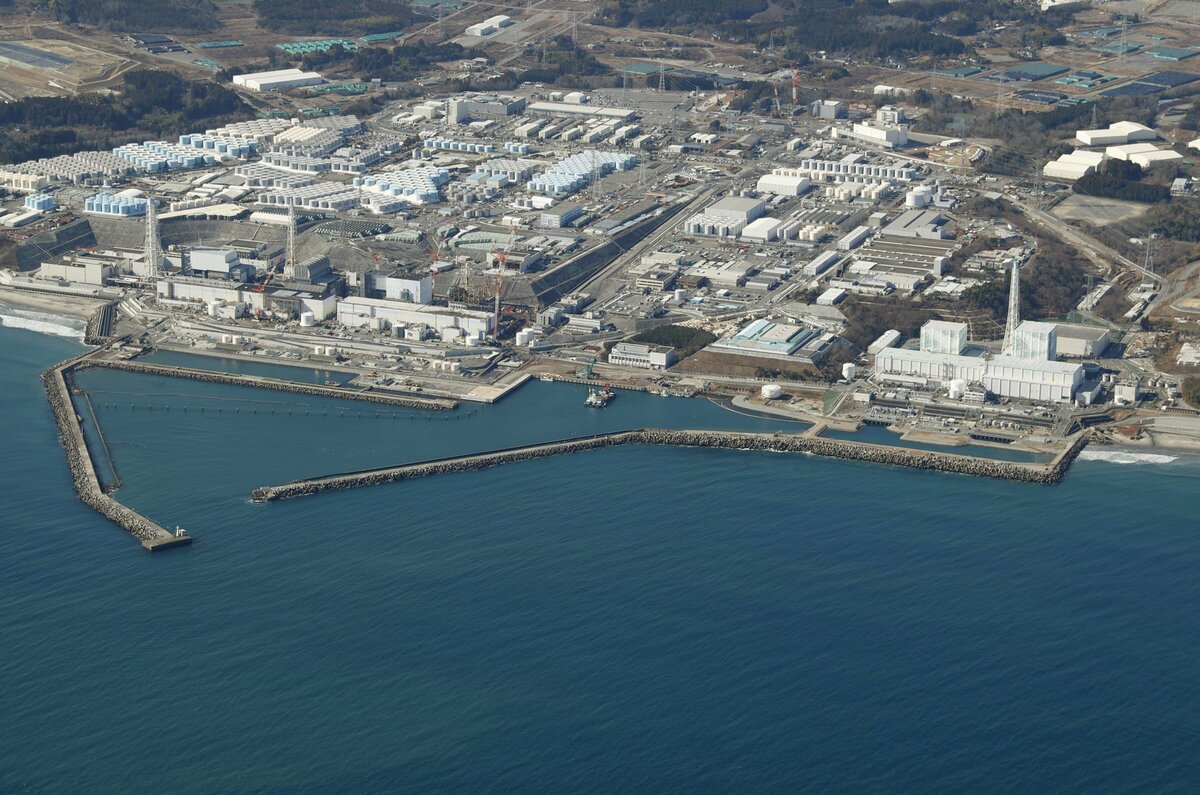
Japan is between a rock and a hard place: China has begun blanket radiation testing on seafood imports from Japan to pressure PM Kishida's plan to release treated radioactive water from the crippled Fukushima nuclear plant into the sea. The measure introduced earlier this month has prolonged customs procedures, prompting some businesses in China to forego importing seafood from Japan.

 english.kyodonews.net
Hongkong, too, confirmed a ban on Japanese seafood if Japan releases Fukushima water:
Paywall alert:

 asia.nikkei.com
The JT took a closer look at why China opposes the release of treated water and why doubts remain even after the IAEA's safety review and green light.
And:

 www.japantimes.co.jp
Since the 2011 Fukushima nuclear accident triggered by a major earthquake and tsunami, China has banned food imports from Fukushima and nine other Japanese prefectures. If the water discharge begins, Beijing could further tighten controls on food imports from Japan. A Japanese restaurant in Shanghai said it had no choice but to use tuna imported from Spain as seafood imports from Japan stopped last Thursday. A Shanghai dealer told its clients it had halted the import and delivery of fresh fish from Japan on Monday. It plans to send staff abroad to find alternative procurement sources.
China begins blanket radiation testing on seafood imports from Japan
China has begun blanket radiation testing on seafood imports from Japan, sources familiar with the bilateral relationship said Tuesday, a move seen as pressuring Tokyo's plan to release treated radioactive water from the crippled Fukushima nuclear plant into the sea.
Hongkong, too, confirmed a ban on Japanese seafood if Japan releases Fukushima water:
Paywall alert:
Hong Kong confirms seafood ban if Japan releases Fukushima water
City to block imports from 10 prefectures, following mainland China
asia.nikkei.com
The JT took a closer look at why China opposes the release of treated water and why doubts remain even after the IAEA's safety review and green light.
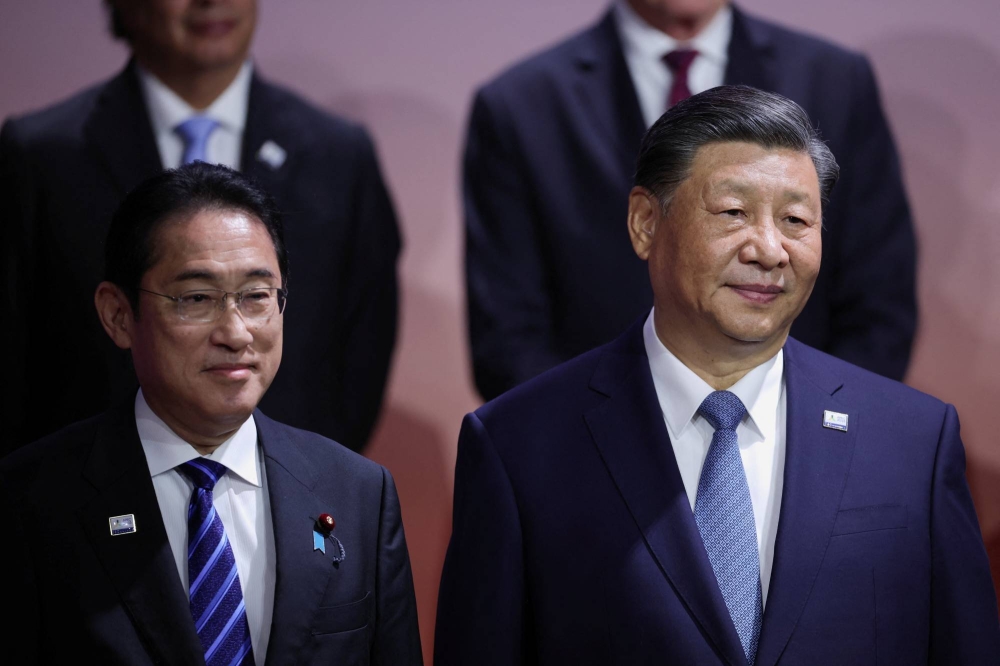
In a written statement, the China Atomic Energy Authority said the IAEA report failed to fully reflect expert views, adding that Japan should not consider the watchdog's approval as a "shield" or a "green light" to press ahead with its discharge plan. "Even if the IAEA believes that the discharge of nuclear wastewater into the sea meets international safety standards, it can't prove that the discharge is the only or the best option for the disposal of nuclear-contaminated water," the statement says. Foreign Minister Yoshimasa Hayashi, who has accused China of disseminating "incorrect information," urged it to deal with the matter "from a scientific standpoint," during talks Friday with top Chinese diplomat Wang Yi, who emphasized that there "is no precedent for discharging water polluted by a nuclear accident into the ocean." At a news conference after the talks, Hayashi said he also conveyed to China his objection to "politicizing" the issue.
And:
Last Tuesday, China criticized those who said the wastewater is free of safety concerns. "If some people think that the nuclear-contaminated water from Fukushima is safe to drink or swim in, we suggest that Japan save the nuclear-contaminated water for these people to drink or swim in, instead of releasing it into the sea and causing widespread concerns internationally," Chinese Foreign Ministry spokesman Wang Wenbin said.
Why China is opposed to the release of treated water in Fukushima
Japan's plan is facing a strong backlash from China, South Korea and other locations in the Pacific. But where are the concerns coming from?




 Despite official and private efforts by Japanese fisheries minister Sakamoto Tetsushi to lift the ban in Hong Kong, he received "no clear response" during a recent visit.