Cecaniah
後輩
- 3 Apr 2016
- 9
- 0
oh thank you!!I think a typo of 間違いなく
Follow along with the video below to see how to install our site as a web app on your home screen.
Note: This feature may not be available in some browsers.

oh thank you!!I think a typo of 間違いなく
I'm not, it's for a video and it's just those 2 phrases that I didn't understand. Thank you!!!"I can't say it with you looking at me. Look the other way"
What are you having us translate for you line-by-line?


Sumidagawa Fireworks Festival - Wikipedia, the free encyclopediaOriginally called Ryōgoku Kawabiraki (両国川開き), the display had become an established tradition by 1810, and rivalries began to emerge over control of each year's festival. The Tamaya (玉屋) and Kagiya (鍵屋) guilds of pyrotechnicians quickly became the two major rivals, initiating the tradition of the competition. Each guild would try to impress the onlookers, out-doing the other guild, in order to gain popularity and support. The number of onlookers steadily grew, and they began to shout out the names (see yagō) of their favorite fireworks artists.

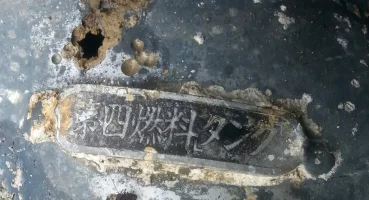
hi all..what is this meaning?

Thank you sirNumber 4 fuel tank
Hello everybody!I'm new of this forum but I have a huge question to ask you...I want to make a present to my girlfriend wich is crazy about Japan and owls just like me..and I found this beatiful Ukyo-e by Hiroshige wich I think ia perfect as a present..but there is a small Haiku on it and I just can't find the translation anywhere on the web..I would love to tell her what does it says..is there anyone who can help me with this?
The haiku is:
大木や はくれはくれは 若かえて
and the beautiful picture is the one on my profile..it's called "Small Horned Owl on Maple Branch under Full Moon"!
I hope somebody may help me..thank you all very much!
I already answered it. The middle verse should be parsed as はくれ/はくれ/は(= はぐれ/はぐれ/は = 逸れ逸れは), and not は/くれは/くれは.
Need a word or phrase translated? | Page 448 | Japan Forum
Need a word or phrase translated? | Page 448 | Japan Forum
Need a word or phrase translated? | Page 448 | Japan Forum
Need a word or phrase translated? | Page 448 | Japan Forum
I came across this on Facebook too. Near as I can tell, 大木 is "big tree", くれは is "fall leaves", and 若 is "young" or "same, similar". Sorry I don't have any more information.
Those replies are just in the next page. I gave the answer on the next day of the day the OP initially posted. You can see the date of our postings on the top of the post.By the way, had you answered the original question a while ago? There was no indication it had already been answered.
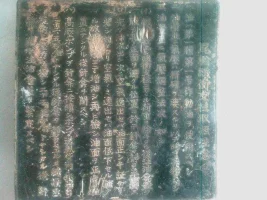
Hi all, i need help here...can anyone translate it for me. really appreciate it.Thanks

The speaker's parents nodded to his protest "Wait! Are you going to leave me?".Hello, i need some help translating a sentence for me if some have the time
"ちょっと待て!俺を置いて行く気かと抗議すれば、両親そろってコクリと頷きやがる。"
Any help will be much appreciated!
無表情Hello there,
I'm making a present for a friend and I want to engrave the words "Stone face" on it, as meaning "face that reveals no emotions". I would appreciate if you could write it also in rōmaji so I could learn how to phrase it.
Thank you in advance!

無表情
muhyōjō
Or, do you want to get a coined word to represent that meaning accurately?