

Navigation
Install the app
How to install the app on iOS
Follow along with the video below to see how to install our site as a web app on your home screen.
Note: This feature may not be available in some browsers.
More options
Style variation
System
Light
Dark

You are using an out of date browser. It may not display this or other websites correctly.
You should upgrade or use an alternative browser.
You should upgrade or use an alternative browser.
Need a word or phrase translated?
- Thread starter Buntaro
- Start date

- 22 Feb 2008
- 18,266
- 4,926
My attemptHi please could someone help me with a translation.
It's about pokemon cards and I would like to say...
"I wouldn't trade this card for anything in the world, I love it too much."
here is my attempt
僕はこのカードを世界のどんな物と決して交換しないんだよ。それは好き過ぎるから。
お願いします : )
このカードは世界中のどんなものとも絶対交換しないんだ。ものすごく好きだから。
It should be とも. 決して doesn't fit to such colloquial expressions, imo.
What's the context?what does 僕なり mean? Does it just mean: My (with an emphasis?) Thx
It's necessary to know the legal background of the word in Japan to express the meaning of it. So, it's hard to say it in a simle English phrase, I think.And this here? 偽装請負 I understand that is s.th like a "hidden contract worker", but is there an English word for it? Thx

- 22 Feb 2008
- 18,266
- 4,926
Just my preference. もの and 物 are both OK.
MrKanister
先輩
- 3 Aug 2012
- 56
- 0
Can somebody please help me with saying something in Japanese? 
There is a very short amateur manga online that the author says is now finished and I wanted to say half-jokingly to the author something like "I think the scene where they kiss is missing." (I'm referring of course to the main characters in that short manga)
How do I say that?
キスするシーンは[missing]と思いますね。
...Is what I'd think, but I can't really think of a word that fits.
I could probably just say 見たいです, but I'd like to imply that that scene should be there.
Anyway, thank you for everything so far!
There is a very short amateur manga online that the author says is now finished and I wanted to say half-jokingly to the author something like "I think the scene where they kiss is missing." (I'm referring of course to the main characters in that short manga)
How do I say that?
キスするシーンは[missing]と思いますね。
...Is what I'd think, but I can't really think of a word that fits.
I could probably just say 見たいです, but I'd like to imply that that scene should be there.
Anyway, thank you for everything so far!

BakabonPapa
BakabonPapa
- 11 Nov 2009
- 33
- 9
Can somebody please help me with saying something in Japanese?
There is a very short amateur manga online that the author says is now finished and I wanted to say half-jokingly to the author something like "I think the scene where they kiss is missing." (I'm referring of course to the main characters in that short manga)
How do I say that?
キスするシーンは[missing]と思いますね。
...Is what I'd think, but I can't really think of a word that fits.
I could probably just say 見たいです, but I'd like to imply that that scene should be there.
Anyway, thank you for everything so far!
There are no good simple word to translate "missing".
キスするシーンを入れるべきだったと思いますね。
or
キスするシーンがあった方が良かったと思いますね。
が自然な日本語だと思います。
- 22 Feb 2008
- 18,266
- 4,926
my attempt (to avoid sounding rude)Can somebody please help me with saying something in Japanese?
There is a very short amateur manga online that the author says is now finished and I wanted to say half-jokingly to the author something like "I think the scene where they kiss is missing." (I'm referring of course to the main characters in that short manga)
How do I say that?
キスするシーンは[missing]と思いますね。
...Is what I'd think, but I can't really think of a word that fits.
I could probably just say 見たいです, but I'd like to imply that that scene should be there.
Anyway, thank you for everything so far!
along your original
キスシーン描き忘れてますよ。
a way to say directly you want to see the scene
キスシーンあるほうがよさそうな気もしますね。もちろん見たいっていうのもあるんだけど。
自分で、自由で、好きで、この働き方を選んだんだ、という風に、実際、かなり厳しい状態の人も、そう思うことで自分の精神のバランスを保っていたりするので、なかなか。。。
Through choosing by ones self, freely, the style of working one preferes, even people in harsh conditions are safeguarding their psychological balance I believe.... plz help me with this longer sentence...where to put f.e the するので and the なかなか?
Through choosing by ones self, freely, the style of working one preferes, even people in harsh conditions are safeguarding their psychological balance I believe.... plz help me with this longer sentence...where to put f.e the するので and the なかなか?
I came across the word どろソース顔 (doro sauce gao) the other day, which got me puzzled because I had only heard of しょうゆ顔 (shouyu gao) and ソース顔 (sauce gao) before. I did some quick researches then, but the most detailed article I could find was this one
ネットで話題中!! 顔のタイプは、しょうゆ顔とソース顔だけではなかった。あなたの顔のタイプはどれ? - NAVER まとめ
and despite the variety of faces listed here, the word どろソース顔 (doro sauce gao) was nowhere to be found.
Could someone please tell me what a "doro sauce" face looks like? Thank you.
ネットで話題中!! 顔のタイプは、しょうゆ顔とソース顔だけではなかった。あなたの顔のタイプはどれ? - NAVER まとめ
and despite the variety of faces listed here, the word どろソース顔 (doro sauce gao) was nowhere to be found.
Could someone please tell me what a "doro sauce" face looks like? Thank you.
- 22 Feb 2008
- 18,266
- 4,926
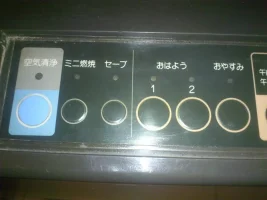
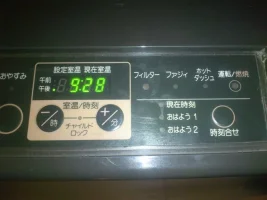
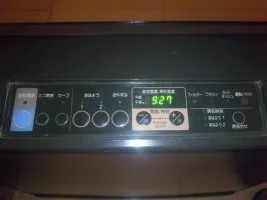
Is there any model number or something on the heater?Hi, Can you pls help me in translating the attached fine? Unfortunately, i don't understand a word of Japanese and a friend gifted me a Tokyo Gas Fan Heater with a menu in Japanese
It's an inversion. 政府の政策のもとでの、私のくらしがあるんだというふうな modifies 情報.情報といいえばいいのかな、政府の政策のもとでの、私のくらしがあるんだというふうな。。。
It might be called a piece of information, but it seems that my life is unter the policy of the government---- ?
そう in そう思うこと refers to 自分で、自由で、好きで、この働き方を選んだんだ、という風に. The part following なかなか is omitted. You need to interpret it from the context.自分で、自由で、好きで、この働き方を選んだんだ、という風に、実際、かなり厳しい状態の人も、そう思うことで自分の精神のバランスを保っていたりするので、なかなか。。。
Through choosing by ones self, freely, the style of working one preferes, even people in harsh conditions are safeguarding their psychological balance I believe.... plz help me with this longer sentence...where to put f.e the するので and the なかなか?
どろソース is a trade name of a thick sauce, so どろソース顔 refers to a face more strong than ソース顔.I came across the word どろソース顔 (doro sauce gao) the other day, which got me puzzled because I had only heard of しょうゆ顔 (shouyu gao) and ソース顔 (sauce gao) before. I did some quick researches then, but the most detailed article I could find was this one
and despite the variety of faces listed here, the word どろソース顔 (doro sauce gao) was nowhere to be found.
Could someone please tell me what a "doro sauce" face looks like? Thank you.

Rei Yahya
ぺらぺらになりたい生徒
- 17 Sep 2011
- 217
- 0
I recently got an Intermediate Japanese textbook and am working on translating the intro for myself, so that I can come to a full understanding of grammar and structure and why things are used.
「総合日本語初級から中級へ」について
This is the overhead banner. I figure it means, 'About 'Integrated Japanese from Beginner to Intermediate''. At least, I believe that's what 'ni tsuite' is all about...'about'/'concerning'.
この「総合日本語初級から中級へ」は、「日本語ジャーナル'」にのせた「現代日本語総合講座」をまとめたものです。
Here's my crack at it. "This 'Integrated Japanese from Beginner to Intermediate' is a summary of Nihongo Journal's 'Integrated Courses in Modern Japanese'."
1989年1月号から1990年3月号までの記事を入れました。
My go. "It draws from articles from January, 1989, to March, 1990."
1988年に出版された「総合日本語中級前期」にくらべて、少しやさしくしてあります。
This one is much trickier for me. Something about, 'it's easier than 1988's publication of 'Integrated First Term in Intermediate Japanese'.
1 - In my first example, まとめ is a word I learned as 'summary', so まとめたもの struck me as 'something that was summarized', is my thinking correct?
2 - What is にのせた in the second example?
3 - What is にくらべて in the third example?
4 - What's the grammatical explanation of 〜くしてあります?
「総合日本語初級から中級へ」について
This is the overhead banner. I figure it means, 'About 'Integrated Japanese from Beginner to Intermediate''. At least, I believe that's what 'ni tsuite' is all about...'about'/'concerning'.
この「総合日本語初級から中級へ」は、「日本語ジャーナル'」にのせた「現代日本語総合講座」をまとめたものです。
Here's my crack at it. "This 'Integrated Japanese from Beginner to Intermediate' is a summary of Nihongo Journal's 'Integrated Courses in Modern Japanese'."
1989年1月号から1990年3月号までの記事を入れました。
My go. "It draws from articles from January, 1989, to March, 1990."
1988年に出版された「総合日本語中級前期」にくらべて、少しやさしくしてあります。
This one is much trickier for me. Something about, 'it's easier than 1988's publication of 'Integrated First Term in Intermediate Japanese'.
1 - In my first example, まとめ is a word I learned as 'summary', so まとめたもの struck me as 'something that was summarized', is my thinking correct?
2 - What is にのせた in the second example?
3 - What is にくらべて in the third example?
4 - What's the grammatical explanation of 〜くしてあります?

Rei Yahya
ぺらぺらになりたい生徒
- 17 Sep 2011
- 217
- 0
"Word or phrase", Rei.
That much deserves its own thread.
Thanks, I wasn't sure if it was worth a thread or not.

BakabonPapa
BakabonPapa
- 11 Nov 2009
- 33
- 9
I recently got an Intermediate Japanese textbook and am working on translating the intro for myself, so that I can come to a full understanding of grammar and structure and why things are used.
「総合日本語初級から中級へ」について
This is the overhead banner. I figure it means, 'About 'Integrated Japanese from Beginner to Intermediate''. At least, I believe that's what 'ni tsuite' is all about...'about'/'concerning'.
この「総合日本語初級から中級へ」は、「日本語ジャーナル'」にのせた「現代日本語総合講座」をまとめたものです。
Here's my crack at it. "This 'Integrated Japanese from Beginner to Intermediate' is a summary of Nihongo Journal's 'Integrated Courses in Modern Japanese'."
1989年1月号から1990年3月号までの記事を入れました。
My go. "It draws from articles from January, 1989, to March, 1990."
1988年に出版された「総合日本語中級前期」にくらべて、少しやさしくしてあります。
This one is much trickier for me. Something about, 'it's easier than 1988's publication of 'Integrated First Term in Intermediate Japanese'.
1 - In my first example, まとめ is a word I learned as 'summary', so まとめたもの struck me as 'something that was summarized', is my thinking correct?
2 - What is にのせた in the second example?
3 - What is にくらべて in the third example?
4 - What's the grammatical explanation of 〜くしてあります?
1 correct
2 ~にのせた = ~に載せた = wrote on ~
3 ~にくらべて = ~に比べて = compared to ~
4 It's a kind of a compound verb.
やさしくしてあります = やさしくする + あります = make it easier + keep it as it is
It's natural Japanese but 「やさしくしました」= "made it easier" is almost the same meaning.
Rei Yahya
ぺらぺらになりたい生徒
- 17 Sep 2011
- 217
- 0
1 correct
2 ~にのせた = ~に載せた = wrote on ~
3 ~にくらべて = ~に比べて = compared to ~
4 It's a kind of a compound verb.
やさしくしてあります = やさしくする + あります = make it easier + keep it as it is
It's natural Japanese but 「やさしくしました」= "made it easier" is almost the same meaning.
Thanks very much!
In #2, I assume that 'wrote on' doesn't mean the act of physically writing on something like a piece of paper, but it's used in the context of 'the paper was written on ancient Egypt'.
If I were to use #3 this way, 自分の焼いたケーキに比べて、これはまずいんだと思いますよ。'Compared to the cake I baked, I think this is awful'. Does it make sense to use this way?
Thanks very much, I'll have to chew on the 4th explanation.
BakabonPapa
BakabonPapa
- 11 Nov 2009
- 33
- 9
Thanks very much!
In #2, I assume that 'wrote on' doesn't mean the act of physically writing on something like a piece of paper, but it's used in the context of 'the paper was written on ancient Egypt'.
If I were to use #3 this way, 自分の焼いたケーキに比べて、これはまずいんだと思いますよ。'Compared to the cake I baked, I think this is awful'. Does it make sense to use this way?
Thanks very much, I'll have to chew on the 4th explanation.
2 You are correct. Sorry for my poor English.
3 Perfect.
BakabonPapa
BakabonPapa
- 11 Nov 2009
- 33
- 9
I heard someone on YouTube speaking about something they did not like or that they were not good at and they kept saying 'ぜんぜん' what does this mean? I assume it was something like 'not at all' or 'at all'.
We usually use "ぜんぜん" to describe "not at all" or "at all" as you said like "ぜんぜん高くない" for "not expensive at all".
But some people especially young people use to express "super" or "great" like "ぜんぜん格好いい" for "super cool".

JouruKun
先輩
- 21 Feb 2013
- 41
- 5
We usually use "ぜんぜん" to describe "not at all" or "at all" as you said like "ぜんぜん高くない" for "not expensive at all".
But some people especially young people use to express "super" or "great" like "ぜんぜん格好いい" for "super cool".
Does this become confusing or does the context usually make it easy to know what meaning is being conveyed?
BakabonPapa
BakabonPapa
- 11 Nov 2009
- 33
- 9
Does this become confusing or does the context usually make it easy to know what meaning is being conveyed?
If it appears in the negative sentence, it's "at all", otherwise it's "super".
Negative sentence is usually ended by ない.
Sometimes we use only "ぜんぜん" to deny something.
Is that expensive? Not at all!
それ高いの? ぜんぜん!
- 22 Feb 2008
- 18,266
- 4,926
information something like my life is under the policy of the governmentHmm...ok.Could You check my translation and point out where I made mistakes? This would help me very much
Even people in harsh conditions are safeguarding their psychological balance by thinking that they chose their style of working by themselves, freely, and/or by their preferences, so ...
Similar threads


- Replies
- 11
- Views
- 115K