Hey guys. I just wanted to tell you I'm not going to be here very much for the next some weeks. I think it's obvious why in this pic:

Before I do vanish, I'd hope that this thread doesn't die. I still need to review a bunch of posts and I'd like to come back to see my many mistakes on the following pictures. I tried to decipher the texts and this is what I got:
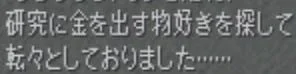
Japanese: けんきゅう に かね を だす もの すき を さがして てんてん と しておいました
English translation: Research's money outthing like look for travel (something). I think it means, I like to travel and go out looking for money for research.
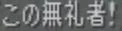
Japanese: この ぶれいもの
I don't understand why it's bureimono, I thought it would be mureisha.
English: This ungrateful person!
Japanese: 500ねん いじょうむかし の こぶんしょ を かいどくするに ふたつ の たんご を しばしば みつける こと が できる
English:500 years with above old times's old writing write decipher do, two simple words (vocab?) again and again discovered (I don't understand why koto is in this) can. I think it means: I deciphered a 500 year old writing and discovered two words over and over again.
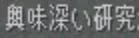
Japanese: きょうみ ふかい けんきゅう
English: interest deep research. I think this was one of the easier ones that I saw.
Japanese: また むずかしい ごほん を よんでいたの
English: again difficult book have read. I think this was also easy, but the -ita at the end makes me think it has to do with 'recently read (past tense)'. I also read in genki that females are allowed to use go-(noun) like gohon, and they can also use a no at the end of a sentence?
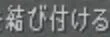
Japanese: むすびつける
English: The only thing I can come up with is: tie attach.
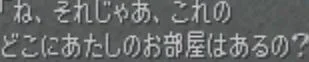
Japanese: それじゃあ、これの どこに あたし の おへや は あるの
English: there then, this (I think it was in a hotel, sorry I had to cut it off) where at my room is?
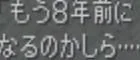
Japanese: もう 8 ねん まえ に なる の かしら
English: Already 8 years before has become, I wonder. Or: I wonder, has it already been 8 years?
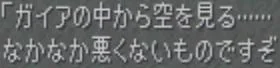
Japanese: ガイア の なか から そら を みる
なかなか わるくない もの です ぞ
English: Gaia's center from sky see. By no means is it evil.
Japanese: げんざい の せいかいりつ は100%!
English: I have no idea at all. I found through WWWJDIC (like most here) the first two are "as of now", the three make no sense to me. Taken apart, I found it meant "correct percentage". So: As of now, correct percentage is 100%!
The translations are not as important as the hiragana being correct, but let's see if they're right

Thanks in advance again!