How do you know... ON/KUN and beyond

Hmm...well, I'm still not getting it but I do understand the sentence, if you know what I mean. I'm doing Lesson 15 now, and I think it's in there because I saw it in the opening dialogue!

94790869-1.webp

Boom!

That last example seems awefully familiar, I think Elizabeth wrote one and I was extremely confused.
 
Last edited:
Hmm...well, I'm still not getting it but I do understand the sentence, if you know what I mean. I'm doing Lesson 15 now, and I think it's in there because I saw it in the opening dialogue!
Yeah, just like you would in English. :)

And not only this. There are various tricks to get around Something "Made you" or "makes you" in Japanese. It really is unnatural translated literally.
 
So much, I know, haha.

Can you do me a small favor? Can you explain -te (another verb) forms to me? For example, from the other page,
いいえ、辛過ぎて食べられませんでした。
Once again, I understand the sentence as I connect the dots, but I don't get it. Based on other -te sentences I'd think this was a connecting, as "tegami o kaite, bangouhan o tabemashita" = wrote a letter, and ate dinner" but I'm not sure. Is this following the same thing? I tried to translate literally and I got: "hot too much and could not eat", which...I guess does make sense.

Can you give me a small practice one, assuming I'm right, to make out?
 
So much, I know, haha.

Can you do me a small favor? Can you explain -te (another verb) forms to me? For example, from the other page,
いいえ、辛過ぎて食べられませんでした。
Once again, I understand the sentence as I connect the dots, but I don't get it. Based on other -te sentences I'd think this was a connecting, as "tegami o kaite, bangouhan o tabemashita" = wrote a letter, and ate dinner" but I'm not sure. Is this following the same thing? I tried to translate literally and I got: "hot too much and could not eat", which...I guess does make sense.

Can you give me a small practice one, assuming I'm right, to make out?
Search on "te" "weak" "casual" "because" and see if something doesn't come up. Without emphasizing "because," but sort of like "It was too hot, so I didn't eat it" or "It was too hot for me to eat."
 
The last two you put make good sense to me. I found these topics:

te form of verb+kimasu
-te oku, -mashou/ou

I'm also doing -te oku in Genki 15, so it works out well. If "itte kimasu" means go and come back I think I can understand how the -te [verb] works, at least the "sugite [verb]" ones.

PaulTB said: te-form verbから in general means 'after verbing'.
bangohan o tabete kara, nemasu tsumori.

Does this sentence work out? I keep thinking it's ...tabete no ato, ... but who knows, I could be right.
 
The last two you put make good sense to me. I found these topics:

te form of verb+kimasu
-te oku, -mashou/ou

I'm also doing -te oku in Genki 15, so it works out well. If "itte kimasu" means go and come back I think I can understand how the -te [verb] works, at least the "sugite [verb]" ones.

PaulTB said: te-form verb窶堋ゥ窶堙ァ in general means 'after verbing'.
bangohan o tabete kara, nemasu tsumori.

Does this sentence work out? I keep thinking it's ...tabete no ato, ... but who knows, I could be right.
The basic function of 窶堙 is to connect verbs or verb phrases A 窶堙≫?堙? B with A normally preceeding B in time, although in some cases they are simultaneous.

The 窶ーテ溪?堋ャ窶堙?。ツ。ツ。sentence is a little different. In this case, you're dealing with an idiomatic use of the form to indicate a cause, excuse, reason etc for the statement immediately following. And because the description is implicit, it is softer or less assertive than 窶堋ゥ窶堙ァツ・窶堙娯?堙 . Very useful when you need to be not so direct. :-). The difference in English :

窶愿ッ窶堋オ窶堋キ窶堋ャ窶堋ス窶堙娯?堙?、ツ出窶藩??堙遺?堋ゥ窶堙≫?堋ス窶堙ヲツ。 Because it was too difficult, I couldn't do it.

窶愿ッ窶堋オ窶堋キ窶堋ャ窶堙?、ツ出窶藩??堙遺?堋ゥ窶堙≫?堋スツ。 It was too difficult for me to do. (it was so difficult, I wasn't able to do it).
 
Hmm. Well, I read until Chapter 18 (just reading, not actually doing or absorbing) and a lot of stuff they put in there are things I've encountered since my first post here! It's pretty exciting to see that stuff. Such as of course, -te ageru / -te kureru.

Small question.
65018575-1.webp


Let's say someone was talking about a movie they want to see.
If I said this, would it be okay? Do I need to put eiga after omoshiroi? Or, omoshiroi no to... ?
 
Hmm. Well, I read until Chapter 18 (just reading, not actually doing or absorbing) and a lot of stuff they put in there are things I've encountered since my first post here! It's pretty exciting to see that stuff. Such as of course, -te ageru / -te kureru.

Small question.
65018575-1.webp


Let's say someone was talking about a movie they want to see.
If I said this, would it be okay? Do I need to put eiga after omoshiroi? Or, omoshiroi no to... ?
友達は、(わたしに)「その映画は面白い」と言っていた(と言った) is fine.
 
bangohan o tabete kara, nemasu tsumori.

Does this sentence work out? I keep thinking it's ...tabete no ato, ... but who knows, I could be right.
窶敕毒津、窶敕鯛?堙ーツ食窶堙冷?堙??堋ゥ窶堙ァツ、ツ寝窶堙ゥ窶堙や?堙?窶堙ィツ(窶堙??堋キツ)ツ。
窶敕毒津、窶敕鯛?堙ーツ食窶堙夕COLOR="Red"]窶堋ス[/COLOR]ナ津」ツ(窶堙?)ツ、ツ寝窶堙ゥ窶堙や?堙?窶堙ィツ(窶堙??堋キツ)ツ。

Both can work.

Small question.
65018575-1.webp


Let's say someone was talking about a movie they want to see.
If I said this, would it be okay? Do I need to put eiga after omoshiroi? Or, omoshiroi no to... ?
The cupla 窶堋セ is also needed in that case.

窶認窶堋セ窶堋ソ窶堋ェ窶堋ィ窶堙?窶堋オ窶堙ォ窶堋「窶ーf窶ーテヲ窶堋セ窶堙?陳セ窶堙≫?堙??堋「窶堋スツ。
 
Hmm, I forgot that, thanks.

Another small one from "looks like":

よさそう。= looks good, right?
よくなそう? Is this "doesn't look good"?
 
Hmm, I forgot that, thanks.

Another small one from "looks like":

窶堙ヲ窶堋ウ窶堋サ窶堋、ツ。= looks good, right?
窶堙ヲ窶堋ュ窶堙遺?堋サ窶堋、ツ? Is this "doesn't look good"?
ツ?≫?堙遺?堋ウ窶堋サ窶堋、ツ?

窶堋?窶堙懌?堙ィ窶卍イナスq窶堋ェ窶堙ヲ窶堋ュ窶堙遺?堋ウ窶堋サ窶堋、窶堋セ窶堙ヲツ。ツ債。窶愿コ窶堙最スdナス窶凪?堙可行窶堙≫?堙??堙坂?堋セ窶堙溪?堋セツ。😌
 
Hey guys! I haven't done much Japanese in the past week and I've suffered for it. Been working and doing...well, trying to do school stuff before the semester starts.

I'm doing Chapter 15 and I'll post the stuff I did. My phone's been acting weird so I'm double checking as I'm writing.🙂

PS: I left rep for all the help on the previous page, I have to wait before spreading rep again to you Elizabeth :)
 
Here we go!
untitled133jpgt1248284282-1.webp

Same deal as last time, I wrote out the hiragana to make sure.
食べよう たべよう
誘おう さそおう
借りよう かりよう
読もう よもう
来よう こよう
入ろう はいろう
待とう まとう
急ごう いそごう
話そう はなそう
見よう みよう
書こう かこう
予約しよう よやくしよう

untitled140jpgt1248289747-1.webp

泳げる 泳ごう
読める 読もう
やめられる やめよう
みがける みがこう
売れる 売ろう
捨てられる 捨てよう
来られる 来よう
付き合える 付き合おう
卒業できる 卒業しよう

untitled134jpgt1248284803-1.webp

きょうこは運動しようと思っている。
山下先生は煙草をやめようと思っている。(This doesn't seem right, I think it's something else...give me another try if I'm wrong please.)
ともこはダイエットしようと思っている。
ションは(朝に)早く起きようと思っている。(I don't think I need the 朝 and I am more sure I don't need the に, but hopefully someone will correct me.)

untitled141jpgt1248288241-1.webp

保険に入ろうと思っている。
両親にお金を借りようと思っている。
熱いお風呂に入って早く寝ようと思っている。
新しい服を買おうと思っている。
花を送ろうと思っている。

untitled135jpgt1248285519-1.webp

ロバートは一日中日本語のテープを聞こうと思っています。
タケシは多い野菜を食べようと思っている。
スーは日本人の友達。。。?(I don't know how to say make friends, also, is it 日本の友達 or 日本人の友達?)
ケンは仕事をしてみようと思っている。(Doesn't seem right to me, but nothing else I can think of.)

untitled136jpgt1248285657-1.webp

もうすぐ、冬休みですね?
ええ、京都へ行こうと思っている。

そうですか。それは、楽しいね?
もうすぐ、夏休みですね?

ええ、一日中日本語を勉強しようと思っている。
そうですか。それは、難しいね?

もうすぐ、試験があるね?
ええ、勉強しようと思っている。

そうですか。それは、勉強したほうがいいね?
もうすぐ、レポートの締め切りですね?

ええ、書こうと思っている。
そうですか。それは、つまらないね?

もうすぐ、卒業式ですね?
ええ、両親に見に行こうと思っている。

そうですか。それは、いいね?
もうすぐ、お正月ですね?

ええ、酒を買おうと思っている。
そうですか。それは、飲まないほうがいいね?

もうすぐ、先生の結婚式ですね?
ええ、プレセントをあげようと思っている。

そうですか。それは、高いね?
もうすぐ、日本語のクラスの発表ですね?

ええ、先生に会おうと思っている。
そうですか。それは、楽しみにするね?

untitled137jpgt1248285956-1.webp

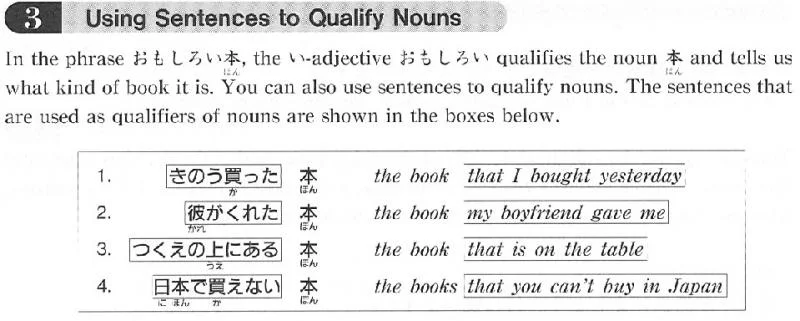
スペイン語を話せる友達。
彼女がくれた時計。
去年中国に行った友達。(Would it also be okay if I put itte imasu?)
毎日使うかばん。
時々行く喫茶店。
先週を見たお寺。(Do I need the を?)
ハワイで買ったシャツ。
今住んでいる家。

untitled138jpgt1248286740-1.webp

妹が作った料理はおいしくない。
My younger sister's cooking isn't delicious. (The cooking that my younger sister made isn't delicious.
温泉がある旅館に泊まりたいです。
I want to stay at a hotel which has a hot spring.
料理ができない人と結婚したくない。
I wont marry a person who cannot cook.
アメリカで勉強したことがある学生を知っているか。
Know a student who (experienced) studied in America?
日本の習慣についてよく知っている外国人を探している。
I'm looking for a person who is very knowledgable in Japanese customs.
去年の夏会った人にもう一度会いたいです。
The person I met last summer, I want to meet him again.

I highlighted this in blue because I don't understand three parts.
1) tsuite? What is this verb?
2) tsuite yoku shitteiru. I understand the last two, yoku shitteiru = much know, how does the entire sentence work? two -te's? I think we discussed this before but I don't know! I understand the sentence, however, pulling strings together. Thank you for answering in advance.

untitled142jpgt1248288403-1.webp

旅館を予約しておきる。
電車の時間を調べておきる。
新しい歌を練習しておきる。
いいレストランを探しておきる。
お金を下ろしておきる。

untitled143jpgt1248288892-1.webp

These are pictures taken at Nara.
This is a bus that goes to Tokyo.
This is a hotel I stayed at last year.

untitled144jpgt1248288941-1.webp

これは友達に借りた本だ。
これはよく聞いた"radio program"です。
これは誕生日に母がくれた指輪です。
ニューヨークに住んでいる友達だ。
卒業した学校です。
去年登った山だ。

untitled145jpgt1248289182-1.webp

東京大学を卒業した友達です。
ロシアに行った友達がいる。
昨日食べた料理はおいしかった。
最近買った辞書はよくない。
フランス語と中国語を話せる人に探している。
 
Here we go!
untitled133jpgt1248284282-1.webp

Same deal as last time, I wrote out the hiragana to make sure.
食べよう たべよう
誘おう さそおう
借りよう かりよう
読もう よもう
来よう こよう
入ろう はいろう
待とう まとう
急ごう いそごう
話そう はなそう
見よう みよう
書こう かこう
予約しよう よやくしよう


泳げる 泳ごう
読める 読もう
やめられる やめよう
みがける みがこう
売れる 売ろう
捨てられる 捨てよう
来られる 来よう
付き合える 付き合おう
卒業できる 卒業しよう

きょうこは運動しようと思っている。
山下先生は煙草をやめようと思っている。
ともこはダイエットしようと思っている。
ションは朝早く起きようと思っている。

These look fine actually. Maybe the visual of seeing grammar corrections at once is helpful. But would you also mind breaking the rest of it down to 5-6 individual segments next time ? :sorry: At least for me better is smaller. I can make course corrections over time, not big changes all at once. 👍
 
Volitional & potential forms you wrote for "let's ~" are all correct.👍

窶堋ォ窶堙・窶堋、窶堋ア窶堙坂?ー^窶慊ョ窶堋オ窶堙ヲ窶堋、窶堙?スv窶堙≫?堙??堋「窶堙ゥツ。
ナスR窶ーツコツ静ヲツ青カ窶堙坂?ーナ停?伉絶?堙ー窶堙「窶堙溪?堙ヲ窶堋、窶堙?スv窶堙≫?堙??堋「窶堙ゥツ。(This doesn't seem right, I think it's something else...give me another try if I'm wrong please.)
窶堙??堙?窶堋ア窶堙哉胆ニ辰ニ竪ニ鍛ニ暖窶堋オ窶堙ヲ窶堋、窶堙?スv窶堙≫?堙??堋「窶堙ゥツ。
ニ歎ニ停?。ニ停?懌?堙?窶卍ゥ窶堙?窶伉≫?堋ュ窶ケN窶堋ォ窶堙ヲ窶堋、窶堙?スv窶堙≫?堙??堋「窶堙ゥツ。(I don't think I need the 窶卍ゥ and I am more sure I don't need the 窶堙? but hopefully someone will correct me.)

ナスR窶ーツコツ静ヲツ青カ窶堙坂?ーナ停?伉絶?堙ー窶堙「窶堙溪?堙ヲ窶堋、窶堙?スv窶堙≫?堙??堋「窶堙ゥ is correct as it is.
As for the last sentence, in the morning is 窶卍ゥ, it does not require the perticle 窶堙?

窶「テ崘陳ッ窶堙俄?愿シ窶堙ォ窶堋、窶堙?スv窶堙≫?堙??堋「窶堙ゥツ。
窶板シツ親窶堙俄?堋ィ窶ケテ?窶堙ーナステ倪?堙ィ窶堙ヲ窶堋、窶堙?スv窶堙≫?堙??堋「窶堙ゥツ。
窶扨窶堋「窶堋ィ窶「窶藩廚窶堙俄?愿シ窶堙≫?堙??伉≫?堋ュツ寝窶堙ヲ窶堋、窶堙?スv窶堙≫?堙??堋「窶堙ゥツ。
ツ新窶堋オ窶堋「窶「ナセ窶堙ー窶敞停?堋ィ窶堋、窶堙?スv窶堙≫?堙??堋「窶堙ゥツ。
窶ーテ披?堙ー窶倪?披?堙ォ窶堋、窶堙?スv窶堙≫?堙??堋「窶堙ゥツ。
ニ陳哉弛ツーニ暖窶堙才?ェ窶愿コ窶吮??窶愿コ窶怒ナ津ェ窶堙姑弾ツーニ致窶堙ー窶「ツキ窶堋ア窶堋、窶堙?スv窶堙≫?堙??堋「窶堙懌?堋キツ。
ニ耽ニ単ニ歎窶堙梗COLOR=red]窶伉ス窶堋「[/COLOR]窶禿ャツ催倪?堙ーツ食窶堙冷?堙ヲ窶堋、窶堙?スv窶堙≫?堙??堋「窶堙ゥツ。
ニ湛ツー窶堙梗COLOR=red]窶愿コ窶怒ツ人窶堙娯?認窶傳ツ。ツ。ツ。ツ?[/COLOR](I don't know how to say make friends, also, is it 窶愿コ窶怒窶堙娯?認窶傳 or 窶愿コ窶怒ツ人窶堙娯?認窶傳?)
ニ単ニ停?懌?堙最スdナス窶凪?堙ー窶堋オ窶堙??堙昶?堙ヲ窶堋、窶堙?スv窶堙≫?堙??堋「窶堙ゥツ。(Doesn't seem right to me, but nothing else I can think of.)

First 6 sentences are OK.

eat more vegetables is 窶堙?窶堙≫?堙??禿ャツ催倪?堙ーツ食窶堙冷?堙ゥ or 窶禿ャツ催倪?堙ー窶堙?窶堙≫?堙?/U]ツ食窶堙冷?堙ゥ.
make lots of Japanese friends: 窶愿コ窶怒ツ人窶堙娯?認窶堋セ窶堋ソ窶堙ー窶堋ス窶堋ュ窶堋ウ窶堙アツ催ャ窶堙ゥ or 窶堋ス窶堋ュ窶堋ウ窶堙ア窶堙娯?愿コ窶怒ツ人窶認窶堋セ窶堋ソ窶堙ーツ催ャ窶堙ゥ.
Either 窶愿コ窶怒ツ人 or 窶愿コ窶怒 will do for Japanese in this context, though perhaps 窶愿コ窶怒ツ人窶堙 sounds more natural.
look for a job: ナスdナス窶凪?堙ー窶儺窶堋キ

窶堙?窶堋、窶堋キ窶堋ョツ、窶恠窶ケx窶堙昶?堙??堋キ窶堙仰?
窶堋ヲ窶堋ヲツ、窶ケナセ窶徭窶堙鳴行窶堋ア窶堋、窶堙?スv窶堙≫?堙??堋「窶堙ゥツ。
窶堋サ窶堋、窶堙??堋キ窶堋ゥツ。窶堋サ窶堙ェ窶堙債、ナ?y窶堋オ窶堋「窶堙仰?

窶堙?窶堋、窶堋キ窶堋ョツ、窶ーテ??ケx窶堙昶?堙??堋キ窶堙仰?
窶堋ヲ窶堋ヲツ、ヒ?ェ窶愿コ窶吮??窶愿コ窶怒ナ津ェ窶堙ー窶「テ冷?ケツュ窶堋オ窶堙ヲ窶堋、窶堙?スv窶堙≫?堙??堋「窶堙ゥツ。
窶堋サ窶堋、窶堙??堋キ窶堋ゥツ。窶堋サ窶堙ェ窶堙債、窶愿ッ窶堋オ窶堋「窶堙仰?

窶堙?窶堋、窶堋キ窶堋ョツ、ナスナスナ陳ア窶堋ェ窶堋?窶堙ゥ窶堙仰?
窶堋ヲ窶堋ヲツ、窶「テ冷?ケツュ窶堋オ窶堙ヲ窶堋、窶堙?スv窶堙≫?堙??堋「窶堙ゥツ。
窶堋サ窶堋、窶堙??堋キ窶堋ゥツ。窶堋サ窶堙ェ窶堙債、窶「テ冷?ケツュ窶堋オ窶堋ス窶堙吮?堋、窶堋ェ窶堋「窶堋「窶堙仰?

窶堙?窶堋、窶堋キ窶堋ョツ、ニ椎槌竹ツーニ暖窶堙娯?凖キ窶堙淞静倪?堙ィ窶堙??堋キ窶堙仰?
窶堋ヲ窶堋ヲツ、ツ鞘?倪?堋ア窶堋、窶堙?スv窶堙≫?堙??堋「窶堙ゥツ。
窶堋サ窶堋、窶堙??堋キ窶堋ゥツ。窶堋サ窶堙ェ窶堙債、窶堙や?堙懌?堙ァ窶堙遺?堋「窶堙仰?

窶堙?窶堋、窶堋キ窶堋ョツ、窶伉イ窶ケテ?スツョ窶堙??堋キ窶堙仰?
窶堋ヲ窶堋ヲツ、窶板シツ親窶堙嫁陳ゥ窶堙可行窶堋ア窶堋、窶堙?スv窶堙≫?堙??堋「窶堙ゥツ。
窶堋サ窶堋、窶堙??堋キ窶堋ゥツ。窶堋サ窶堙ェ窶堙債、窶堋「窶堋「窶堙仰?

窶堙?窶堋、窶堋キ窶堋ョツ、窶堋ィツ青ウナ椎ス窶堙??堋キ窶堙仰?
窶堋ヲ窶堋ヲツ、ナステー窶堙ー窶敞停?堋ィ窶堋、窶堙?スv窶堙≫?堙??堋「窶堙ゥツ。
窶堋サ窶堋、窶堙??堋キ窶堋ゥツ。窶堋サ窶堙ェ窶堙債、ヒ?ケ窶堙懌?堙遺?堋「窶堙吮?堋、窶堋ェ窶堋「窶堋「窶堙仰?

窶堙?窶堋、窶堋キ窶堋ョツ、ツ静ヲツ青カ窶堙固停?ケツ債・ナスツョ窶堙??堋キ窶堙仰?
窶堋ヲ窶堋ヲツ、ニ致ニ椎槌短ニ停?愴暖窶堙ー窶堋?窶堋ー窶堙ヲ窶堋、窶堙?スv窶堙≫?堙??堋「窶堙ゥツ。
窶堋サ窶堋、窶堙??堋キ窶堋ゥツ。窶堋サ窶堙ェ窶堙債、ツ坂?壺?堋「窶堙仰?

窶堙?窶堋、窶堋キ窶堋ョツ、窶愿コ窶怒ナ津ェ窶堙姑誰ニ停?ーニ湛窶堙娯?敖ュ窶「\窶堙??堋キ窶堙仰?
窶堋ヲ窶堋ヲツ、ツ静ヲツ青カ窶堙俄?ーテッ窶堋ィ窶堋、窶堙?スv窶堙≫?堙??堋「窶堙ゥツ。
窶堋サ窶堋、窶堙??堋キ窶堋ゥツ。窶堋サ窶堙ェ窶堙債、ナ?y窶堋オ窶堙昶?堙俄?堋キ窶堙ゥ窶堙仰?

I think you got the basics right. 👍
But I'd like to recommend you to use the polite form to make the style consistent.
Also use ツ。 not ツ? unless it is a real question.ツ 窶堙?窶堋、窶堋キ窶堋ョツ〜窶堙??堋キ窶堙 is not a question but rather just asking agreement to the person one is talking to.


窶堙?窶堋、窶堋キ窶堋ョツ、窶恠窶ケx窶堙昶?堙??堋キ窶堙仰。
窶堋ヲ窶堋ヲツ、窶ケナセ窶徭窶堙鳴行窶堋ア窶堋、窶堙?スv窶堙≫?堙ЪCOLOR=red]窶堋「窶堙懌?堋キ[/COLOR]ツ。
窶堋サ窶堋、窶堙??堋キ窶堋ゥツ。窶堋サ窶堙ェ窶堙債、ナ?y窶堋オ窶堙昶?堙??堋キ窶堙仰。

窶堙?窶堋、窶堋キ窶堋ョツ、窶ーテ??ケx窶堙昶?堙??堋キ窶堙仰。
窶堋ヲ窶堋ヲツ、ヒ?ェ窶愿コ窶吮??窶愿コ窶怒ナ津ェ窶堙ー窶「テ冷?ケツュ窶堋オ窶堙ヲ窶堋、窶堙?スv窶堙≫?堙??堋「窶堙懌?堋キツ。
窶堋サ窶堋、窶堙??堋キ窶堋ゥツ。窶堋サ窶堙ェ窶堙債、窶佚・窶「テ鞘?堙??堋キ窶堙仰。

窶堙?窶堋、窶堋キ窶堋ョツ、ナスナスナ陳ア窶堋ェ窶堋?窶堙ィ窶堙懌?堋キ窶堙仰。
窶堋ヲ窶堋ヲツ、窶「テ冷?ケツュ窶堋オ窶堙ヲ窶堋、窶堙?スv窶堙≫?堙??堋「窶堙懌?堋キツ。
窶堋サ窶堋、窶堙??堋キ窶堋ゥツ。窶堋サ窶堙ェ窶堙債、窶「テ冷?ケツュ窶堋オ窶堋ス窶堙吮?堋、窶堋ェ窶堋「窶堋「窶堙??堋キ窶堙擬COLOR=red]ツ。[/COLOR]

The third sentence is a bit awkward though not really incorrect...


窶堙?窶堋、窶堋キ窶堋ョツ、ニ椎槌竹ツーニ暖窶堙娯?凖キ窶堙淞静倪?堙ィ窶堙??堋キ窶堙仰?
窶堋ヲ窶堋ヲツ、ツ鞘?倪?堋ア窶堋、窶堙?スv窶堙≫?堙??堋「窶堙懌?堋キツ。
窶堋サ窶堋、窶堙??堋キ窶堋ゥツ。窶堋サ窶堙ェ窶堙債、窶堙や?堙懌?堙ァ窶堙遺?堋「窶堙??堋キ窶堙擬COLOR=red]ツ。[/COLOR]

Grammatically 窶堙や?堙懌?堙ァ窶堙遺?堋「 is OK here but as a conversation...?? 😌
("Closing date for the report is coming soon."
"Yes, I'm going write it."
"Oh, I see. That's boring." ???)

窶堙?窶堋、窶堋キ窶堋ョツ、窶伉イ窶ケテ?スツョ窶堙??堋キ窶堙仰?
窶堋ヲ窶堋ヲツ、窶板シツ親窶堙嫁陳ゥ窶堙可行窶堋ア窶堋、窶堙?スv窶堙≫?堙??堋「窶堙ゥツ。
窶堋サ窶堋、窶堙??堋キ窶堋ゥツ。窶堋サ窶堙ェ窶堙債、窶堋「窶堋「窶堙??堋キ窶堙擬COLOR=red]ツ。[/COLOR]

窶堙?窶堋、窶堋キ窶堋ョツ、窶堋ィツ青ウナ椎ス窶堙??堋キ窶堙仰。
窶堋ヲ窶堋ヲツ、ナステー窶堙ー窶敞停?堋ィ窶堋、窶堙?スv窶堙≫?堙??堋「窶堙懌?堋キツ。
窶堋サ窶堋、窶堙??堋キ窶堋ゥツ。窶堋サ窶堙ェ窶堙債、ヒ?ケ窶堙懌?堙遺?堋「窶堙吮?堋、窶堋ェ窶堋「窶堋「窶堙??堋キ窶堙仰。

Why?

窶堙?窶堋、窶堋キ窶堋ョツ、ツ静ヲツ青カ窶堙固停?ケツ債・ナスツョ窶堙??堋キ窶堙擬COLOR=red]ツ。[/COLOR]
窶堋ヲ窶堋ヲツ、ニ致ニ椎槌短ニ停?愴暖窶堙ー窶堋?窶堋ー窶堙ヲ窶堋、窶堙?スv窶堙≫?堙??堋「窶堙懌?堋キツ。
窶堋サ窶堋、窶堙??堋キ窶堋ゥツ。窶堋サ窶堙ェ窶堙債、ツ坂?壺?堋「窶堙??堋キ窶堙仰。

It's not coherent... if you say
窶堋サ窶堋、窶堙??堋キ窶堋ゥツ。窶堋サ窶堙ェ窶堙坂?堋ィ窶ケテ?窶堋ェ窶堋ゥ窶堋ゥ窶堙ィ窶堙懌?堋キ窶堙仰。
then it's ok though it still makes you sound a miser...😌

窶堙?窶堋、窶堋キ窶堋ョツ、窶愿コ窶怒ナ津ェ窶堙姑誰ニ停?ーニ湛窶堙娯?敖ュ窶「\窶堙??堋キ窶堙仰?
窶堋ヲ窶堋ヲツ、ツ静ヲツ青カ窶堙俄?ーテッ窶堋ィ窶堋、窶堙?スv窶堙≫?堙??堋「窶堙懌?堋キツ。
窶堋サ窶堋、窶堙??堋キ窶堋ゥツ。窶堋サ窶堙ェ窶堙債、ナ?y窶堋オ窶堙拏COLOR=red]窶堙??堋キ[/COLOR]窶堙仰?

ニ湛ニ馳ニ辰ニ停?愬津ェ窶堙ーヒ彙窶堋ケ窶堙ゥ窶認窶傳ツ。
窶敕楪鞘?披?堋ェ窶堋ュ窶堙ェ窶堋スナスナセナ致ツ。
窶ケナス窶扼窶吮??ツ坂?倪?堙可行窶堙≫?堋ス窶認窶傳ツ。(Would it also be okay if I put itte imasu?)
窶突??愿コナスg窶堋、窶堋ゥ窶堙寂?堙アツ。
ナスナセツ々ツ行窶堋ュ窶ケi窶卮停?弭ツ。
ツ静ヲツ週窶堙ーナ陳ゥ窶堋ス窶堋ィナス窶コツ。(Do I need the 窶堙ー?)
ニ地ニ陳照辰窶堙??敞停?堙≫?堋スニ歎ニ槌槌団ツ。
ツ債。ツ住窶堙ア窶堙??堋「窶堙ゥ窶ーテ?。

The above answers are all correct! :)

窶ケナス窶扼窶吮??ツ坂?倪?堙可行窶堙≫?堋ス窶認窶傳ツ。(Would it also be okay if I put itte imasu?)
No.

ツ静ヲツ週窶堙ーナ陳ゥ窶堋ス窶堋ィナス窶コツ。(Do I need the 窶堙ー?)
No. Actually you musn't use 窶堙ー because "last week" is not the object of the verb "saw".

窶凪?ヲ窶堋ェツ催ャ窶堙≫?堋ス窶板ソ窶板昶?堙坂?堋ィ窶堋「窶堋オ窶堋ュ窶堙遺?堋「ツ。
My younger sister's cooking isn't delicious. (The cooking that my younger sister made isn't delicious.
窶ーツキツ静イ窶堋ェ窶堋?窶堙ゥ窶板キナ?テ吮?堙俄?昶?倪?堙懌?堙ィ窶堋ス窶堋「窶堙??堋キツ。
I want to stay at a hotel which has a hot spring.
窶板ソ窶板昶?堋ェ窶堙??堋ォ窶堙遺?堋「ツ人窶堙?停?ケツ債・窶堋オ窶堋ス窶堋ュ窶堙遺?堋「ツ。
I wont marry a person who cannot cook.
ニ但ニ陳?椎?ニ谷窶堙??「テ冷?ケツュ窶堋オ窶堋ス窶堋ア窶堙??堋ェ窶堋?窶堙ゥナ?wツ青カ窶堙ー窶冦窶堙≫?堙??堋「窶堙ゥ窶堋ゥツ。
Know a student who (experienced) studied in America?
窶愿コ窶怒窶堙個習ナ?ツオ窶堙俄?堙や?堋「窶堙??堙ヲ窶堋ュ窶冦窶堙≫?堙??堋「窶堙ゥナ?Oツ坂?伉人窶堙ー窶儺窶堋オ窶堙??堋「窶堙ゥツ。
I'm looking for a person who is very knowledgable in Japanese customs.
窶ケナス窶扼窶堙娯?ーテ??ーテッ窶堙≫?堋スツ人窶堙俄?堙?窶堋、ヒ?ェ窶忸窶ーテッ窶堋「窶堋ス窶堋「窶堙??堋キツ。
The person I met last summer, I want to meet him again.

I highlighted this in blue because I don't understand three parts.
1) tsuite? What is this verb?
2) tsuite yoku shitteiru. I understand the last two, yoku shitteiru = much know, how does the entire sentence work? two -te's? I think we discussed this before but I don't know! I understand the sentence, however, pulling strings together. Thank you for answering in advance.

窶愿コ窶怒窶堙個習ナ?ツオ窶堙俄?堙や?堋「窶堙??堙ヲ窶堋ュ窶冦窶堙≫?堙??堋「窶堙ゥナ?Oツ坂?伉人窶堙ー窶儺窶堋オ窶堙??堋「窶堙ゥツ。
窶堙や?堋「窶堙 is about.
ツ〜窶堙俄?堙や?堋「窶堙??冦窶堙≫?堙??堋「窶堙ゥ. to know (to have knowledge) about ~
窶堙ヲ窶堋ュ窶冦窶堙≫?堙??堋「窶堙ゥ to know well. to have good knowledge of something.

窶愿コ窶怒窶堙個習ナ?ツオ窶堙俄?堙や?堋「窶堙 about Japanese customs
窶堙ヲ窶堋ュ well
窶冦窶堙≫?堙??堋「窶堙ゥ know / have knowldge
ナ?Oツ坂?伉人 a foreigner

The first three makes a phrase which modifies ナ?Oツ坂?伉人.

[FONT=窶嗟窶嗷 窶督セ窶卍ゥ][/FONT]
窶板キナ?テ吮?堙ー窶能窶禿ア窶堋オ窶堙??堋ィ窶堋ォ窶堙ゥツ。
窶彭ナステ披?堙固スナセナ?テ披?堙ー窶卍イ窶堙冷?堙??堋ィ窶堋ォ窶堙ゥツ。
ツ新窶堋オ窶堋「窶ーテ娯?堙ー窶氾サツ習窶堋オ窶堙??堋ィ窶堋ォ窶堙ゥツ。
窶堋「窶堋「ニ椎槌湛ニ暖ニ停?ーニ停?懌?堙ー窶儺窶堋オ窶堙??堋ィ窶堋ォ窶堙ゥツ。
窶堋ィ窶ケテ?窶堙ー窶ーツコ窶堙ォ窶堋オ窶堙??堋ィ窶堋ォ窶堙ゥツ。

Plain (dictionary) form of 窶堋ィ窶堋ォ窶堙懌?堋キ is 窶堋ィ窶堋ュ, not 窶堋ィ窶堋ォ窶堙ゥ.
You have to replace 窶堋ィ窶堋ォ窶堙ゥ with 窶堋ィ窶堋ュ.

These are pictures taken at Nara.
This is a bus that goes to Tokyo.
This is a hotel I stayed at last year.
窶堋ア窶堙ェ窶堙坂?認窶傳窶堙嫁ステ倪?堙ィ窶堋ス窶怒窶堋セツ。
窶堋ア窶堙ェ窶堙坂?堙ヲ窶堋ュ窶「ツキ窶堋「窶堋ス"radio program"窶堙??堋キツ。
窶堋ア窶堙ェ窶堙坂?兮ツ青カ窶愿コ窶堙俄?「テェ窶堋ェ窶堋ュ窶堙ェ窶堋スナスw窶氾問?堙??堋キツ。
ニ男ニ停?ヲツーニ塚?ーニ誰窶堙可住窶堙ア窶堙??堋「窶堙ゥ窶認窶傳窶堋セツ。
窶伉イ窶ケテ??堋オ窶堋スナ?wツ校窶堙??堋キツ。
窶ケナス窶扼窶徙窶堙≫?堋スナスR窶堋セツ。

They are OK. 👍
Radio program ニ停?ーニ淡ニ棚窶敕披?枠

窶愬停?ケナセ窶佚・ナ?w窶堙ー窶伉イ窶ケテ??堋オ窶堋ス窶認窶傳窶堙??堋キツ。
ニ陳哉歎ニ但窶堙可行窶堙≫?堋ス窶認窶傳窶堋ェ窶堋「窶堙ゥツ。
ツ催ー窶愿コツ食窶堙冷?堋ス窶板ソ窶板昶?堙坂?堋ィ窶堋「窶堋オ窶堋ゥ窶堙≫?堋スツ。
ツ催??ケテ溪?敞停?堙≫?堋スナスツォツ鞘?倪?堙坂?堙ヲ窶堋ュ窶堙遺?堋「ツ。
ニ稚ニ停?ーニ停?愴湛ナ津ェ窶堙??吮??ツ坂?佛津ェ窶堙ーヒ彙窶堋ケ窶堙ゥツ人窶堙俄?儺窶堋オ窶堙??堋「窶堙ゥツ。

窶愬停?ケナセ窶佚・ナ?w窶堙ー窶伉イ窶ケテ??堋オ窶堋スツ人窶堙俄?ーテッ窶堋「窶堙懌?堋オ窶堋スツ。
ツ催??ケテ溪?敞停?堙≫?堋スナスツォツ鞘?倪?堙梗COLOR=red]窶堋?窶堙懌?堙ィ[/COLOR]窶堙ヲ窶堋ュ窶堙遺?堋「ツ。
ニ稚ニ停?ーニ停?愴湛ナ津ェ窶堙??吮??ツ坂?佛津ェ窶堙ーヒ彙窶堋ケ窶堙ゥツ人窶堙ー窶儺窶堋オ窶堙??堋「窶堙ゥツ。
 
Volitional & potential forms you wrote for "let's ~" are all correct.👍
Awesome! I always seem to do well on these...probably because it's the easiest exercise, haha.

山下先生は煙草をやめようと思っている is correct as it is.
As for the last sentence, in the morning is 朝, it does not require the perticle に.

Okay, cool. I was thinking, "quitting tobacco" would be okay, but I was also thinking maybe you need the actual word smoking in there, maybe like tobako o sutte yameyou...
As for the second one, I see, I was thinking there was only one time to wake up so asa may not have been needed.

eat more vegetables is もっと野菜を食べる or 野菜をもっと食べる.

The thing I put is "a lot", isn't it? I remember you or epigene saying that ooi and takusan are closely related, which means "a lot".

make lots of Japanese friends: 日本人の友だちをたくさん作る or たくさんの日本人友だちを作る.

I thought there would have been a special word for make, not the literal tsukuru! I'll remember this.

Either 日本人 or 日本 will do for Japanese in this context, though perhaps 日本人の sounds more natural.

Thanks, I was slightly debating between the two.

look for a job: 仕事を探す

Aaah, I forgot that verb. I use it elsewhere!

But I'd like to recommend you to use the polite form to make the style consistent.
Also use 。 not ? unless it is a real question.

You got it, I'll stick to the polite forms unless the grammar calls for casual forms.

("Closing date for the report is coming soon."
"Yes, I'm going write it."
"Oh, I see. That's boring." ???)

Haha, I was running out of things to say so yeah, that's actually what I wanted to say. I know, bit bad.

それは、飲まないほうがいいですね。

Why?

I wanted to go back to Genki I and say "it's better to not drink". I forgot to put takusan. I wanted to say, "It's better not to drink a lot."

It's not coherent... if you say
そうですか。それはお金がかかりますね。
then it's ok though it still makes you sound a miser...

I see...kakaru is taking time and money, correct? I vaguely remember it from Genki I. Yes, you got it, I wanted to say "It's expensive, huh."

去年中国に行った友達。(Would it also be okay if I put itte imasu?)
No.

Oh? I was thinking it was...because I remember that itte imasu means already went to, like in this picture.
38528884-1.webp


So if I were to put 去年中国に行っている友達, what would it mean? I think it would mean, last year China has gone to friend, literally translated, and reformed to A friend who went to China last year.

No. Actually you musn't use を because "last week" is not the object of the verb "saw".
Thank you! I didn't even notice that. And you wouldn't use the particle ni, either, right?

日本の習慣についてよく知っている外国人を探している。
ついて is about.
~について知っている. to know (to have knowledge) about ~
よく知っている to know well. to have good knowledge of something.

日本の習慣について about Japanese customs
よく well
知っている know / have knowldge
外国人 a foreigner

The first three makes a phrase which modifies 外国人.

I think I get it. However, I keep thinking that these -te mean "and" sentences, do you know what I mean? Here is another example: 連れて来る. I always interpret this as "take along AND come". Same with 持って行く(hold and go) So how I translated the above, is Japanese customs and well knowledge person. I mean, is it alright for me to think in this sense? Or am I interpreting it wrong?

And thanks for the other ones, I missed a few particles :)

One small thing:
38577970-1.webp


What's going on in this sentence? I understand the sentence, it is basically saying "Michiko said Takeshi is also invited". But I don't see the need for te. Is this what happens in quotes?

Thanks a billion; I will rep you as always when I can.
 
I was thinking, "quitting tobacco" would be okay, but I was also thinking maybe you need the actual word smoking in there, maybe like tobako o sutte yameyou...

窶ーナ停?伉絶?堙ー窶ケz窶堙≫?堙??堙「窶堙溪?堙ヲ窶堋、 means smoking and then stop which does not match quitting smoking.
If you want to use the verb "smoke" then 窶ーナ停?伉絶?堙ー窶ケz窶堋、窶堙娯?堙ー窶堙「窶堙溪?堙ゥ. ツ(ツ〜窶堋キ窶堙ゥ窶堙 = nominalization of ツ〜窶堋キ窶堙ゥツ)
You can also use the noun 窶ケi窶ーナ meaning "smoking (tobacco)".
窶ケi窶ーナ停?堙ー窶堙「窶堙溪?堙ゥ.

eat more vegetables is 窶堙?窶堙≫?堙??禿ャツ催倪?堙ーツ食窶堙冷?堙ゥ or 窶禿ャツ催倪?堙ー窶堙?窶堙≫?堙?食窶堙冷?堙ゥ.

The thing I put is "a lot", isn't it? I remember you or epigene saying that ooi and takusan are closely related, which means "a lot".

Yes, "a lot/many/much" is 窶堋ス窶堋ュ窶堋ウ窶堙アツ。
窶堙?窶堙≫?堙 is "more" which means the quantity you are going to eat is bigger than before/now.

make lots of Japanese friends: 窶愿コ窶怒ツ人窶堙娯?認窶堋セ窶堋ソ窶堙ー窶堋ス窶堋ュ窶堋ウ窶堙アツ催ャ窶堙ゥ or 窶堋ス窶堋ュ窶堋ウ窶堙ア窶堙娯?愿コ窶怒ツ人窶認窶堋セ窶堋ソ窶堙ーツ催ャ窶堙ゥ.
I thought there would have been a special word for make, not the literal tsukuru! I'll remember this.

make friends: 窶認窶堋セ窶堋ソ窶堙ーツ催ャ窶堙ゥ (when you try to "make" friends)
make friend with someone ツ〜窶堙??認窶堋セ窶堋ソ窶堙俄?堙遺?堙ゥ (to become friend with a specific person)
make friends 窶認窶堋セ窶堋ソ窶堋ェ窶堙??堋ォ窶堙ゥ (similar to ツ催ャ窶堙ゥ but in more spontaneous way)

窶堋サ窶堙ェ窶堙債、ヒ?ケ窶堙懌?堙遺?堋「窶堙吮?堋、窶堋ェ窶堋「窶堋「窶堙??堋キ窶堙仰。
Why?

I wanted to go back to Genki I and say "it's better to not drink". I forgot to put takusan. I wanted to say, "It's better not to drink a lot."

Not that I'm criticizing your comments because what is important here is grammar, but in real life you might offend people if you say ヒ?ケ窶堙懌?堙遺?堋「窶「テサ窶堋ェ窶堋「窶堋「窶堙??堋キ窶堙ヲ when someone says he's going to buy some sake...
Maybe ヒ?ケ窶堙昶?堋キ窶堋ャ窶堙遺?堋「窶「テサ窶堋ェ窶堋「窶堋「窶堙??堋キ窶堙仰。 it's better to not drink too much?
You can say, for example, ヒ?ケ窶堙昶?堋キ窶堋ャ窶堙遺?堋「窶堙??堋ュ窶堋セ窶堋ウ窶堋「窶堙仰。 Both would express your concern towards the person you're talking.
Anyway, it is not really a grammar issue, so you can forget about my comments. :p

It's not coherent... if you say
窶堋サ窶堋、窶堙??堋キ窶堋ゥツ。窶堋サ窶堙ェ窶堙坂?堋ィ窶ケテ?窶堋ェ窶堋ゥ窶堋ゥ窶堙ィ窶堙懌?堋キ窶堙仰。

then it's ok though it still makes you sound a miser...
I see...kakaru is taking time and money, correct? I vaguely remember it from Genki I. Yes, you got it, I wanted to say "It's expensive, huh."

Again, it is not really a question of grammar, so I would not make further comments, haha.

窶ケナス窶扼窶吮??ツ坂?倪?堙可行窶堙≫?堋ス窶認窶傳ツ。(Would it also be okay if I put itte imasu?)
No.

Oh? I was thinking it was...because I remember that itte imasu means already went to, like in this picture.
This image has been resized. Click this bar to view the full image. The original image is sized 619x219 and weighs 25KB.
So if I were to put 窶ケナス窶扼窶吮??ツ坂?倪?堙可行窶堙≫?堙??堋「窶堙ゥ窶認窶傳, what would it mean? I think it would mean, last year China has gone to friend, literally translated, and reformed to A friend who went to China last year.

As far as you use 窶ケナス窶扼, ツ行窶堙≫?堙??堋「窶堙ゥ does not really work.
Because 窶ケナス窶扼 is about the past while 窶堋「窶堙≫?堙??堋「窶堙ゥ is about now.
窶ケナス窶扼窶吮??ツ坂?倪?堙可行窶堙≫?堋ス窶認窶傳 means the friend went to China last year. One cannot tell whether he's still in China or not.
If you say just 窶吮??ツ坂?倪?堙可行窶堙≫?堙??堋「窶堙ゥ窶認窶傳 then it's fine.
It implies that the friend went to China and is still there.
ツ(窶吮??ツ坂?倪?堙可行窶堙≫?堙??堋「窶堙ゥツ?≫?吮??ツ坂?倪?堙可行窶堙≫?堙?、窶堋サ窶堙固停?ケ窶ーテ環、ツ債。窶堙?窶吮??ツ坂?倪?堙俄?堋「窶堙ゥツ)

One small thing:
窶堙昶?堋ソ窶堋ア窶堋ウ窶堙ア窶堋ェツ、ツ「窶堋ス窶堋ッ窶堋オ窶堋ュ窶堙ア窶堙?窶廼窶堙≫?堙?」窶堙?陳セ窶堙≫?堙??堋「窶堋ス窶堋ゥ窶堙ァツ。
What's going on in this sentence? I understand the sentence, it is basically saying "Michiko said Takeshi is also invited". But I don't see the need for te. Is this what happens in quotes?

窶堋ス窶堋ッ窶堋オ窶堋ュ窶堙ア窶堙?窶廼窶堙≫?堙??≫?堋ス窶堋ッ窶堋オ窶堋ュ窶堙ア窶堙?窶廼窶堙≫?堙??堋ュ窶堋セ窶堋ウ窶堋「 "Please invite Takeshi kun as well"
I guess that this sentence is explaning the reason for something.
(ツ〜窶堋ゥ窶堙ァ is used to state the reason.)
For example:
Hiroshi went to a party held by his friend Kyoko.
He was rather surprised to see Takeshi because he did not expected to see Takeshi.
He asked Kyoko why Takeshi is there, and Kyoko explained she specially invited Takeshi because Michiko is her close friend and
窶堙昶?堋ソ窶堋ア窶堋ウ窶堙ア窶堋ェツ「窶堋ス窶堋ッ窶堋オ窶堋ュ窶堙ア窶堙?窶廼窶堙≫?堙?」窶堙?陳セ窶堙≫?堙??堋「窶堋ス窶堋ゥ窶堙ァツ。
 
煙草を吸ってやめよう means smoking and then stop which does not match quitting smoking.
If you want to use the verb "smoke" then 煙草を吸うのをやめる. (~するの = nominalization of ~する)
You can also use the noun 喫煙 meaning "smoking (tobacco)".
喫煙をやめる.
I remember you guys mention nominalization but I haven't ran into it yet. I'm glad I was mostly right the first time!

make friends: 友だちを作る (when you try to "make" friends)
make friend with someone ~と友だちになる (to become friend with a specific person)
make friends 友だちができる (similar to 作る but in more spontaneous way)

I think there was something at the end of the chapter about the various uses of dekiru, but the first two definitely make sense to me. I was thinking there may have been a special verb rather than just flat out "make", I think of make in the terms of making a cake.

Not that I'm criticizing your comments because what is important here is grammar, but in real life you might offend people if you say 飲まない方がいいですよ when someone says he's going to buy some sake...
Maybe 飲みすぎない方がいいですね。 it's better to not drink too much?
You can say, for example, 飲みすぎないでくださいね。 Both would express your concern towards the person you're talking.
Anyway, it is not really a grammar issue, so you can forget about my comments. :p

I take everything you guys say seriously and with full regard, if it causes offense then it comes before grammar. Of course I'm happy it was gramatically correct, but I also need to make sure that I'm not offending people. suginai seems more discrectionary than judgemental.


As far as you use 去年, 行っている does not really work.
Because 去年 is about the past while いっている is about now.
去年中国に行った友達 means the friend went to China last year. One cannot tell whether he's still in China or not.
If you say just 中国に行っている友達 then it's fine.
It implies that the friend went to China and is still there.
(中国に行っている=中国に行って、その結果、今も中国にいる)

Wow, you're right, I totally zoned out on the part where kyounen modifies the time :p Thanks for answering and catching!!


たけしくんも誘って=たけしくんも誘ってください "Please invite Takeshi kun as well"
I guess that this sentence is explaning the reason for something.
(~から is used to state the reason.)
For example:
Hiroshi went to a party held by his friend Kyoko.
He was rather surprised to see Takeshi because he did not expected to see Takeshi.
He asked Kyoko why Takeshi is there, and Kyoko explained she specially invited Takeshi because Michiko is her close friend and
みちこさんが「たけしくんも誘って」と言っていたから。

This one isn't sinking in immediately at first glance but it does make logical sense, so I'll give it futher review tomorrow. I wanted to make sure you knew I read your posts and thanked you properly :)
 
I remember you guys mention nominalization but I haven't ran into it yet. I'm glad I was mostly right the first time!


I think there was something at the end of the chapter about the various uses of dekiru, but the first two definitely make sense to me. I was thinking there may have been a special verb rather than just flat out "make", I think of make in the terms of making a cake.
Tomodachi dekiru : More or less the human equivalent of "Should I get a friend for my pet hedgehog??" How can I acquire attractants, "make a strong social statement," get people to like me and call me friend ? :p
 
Jumping into this thread again without reading everything that has passed by (so many long posts!), so excuse me if I say the wrong things.

make friends: 友だちを作る (when you try to "make" friends)
make friend with someone ~と友だちになる (to become friend with a specific person)
make friends 友だちができる (similar to 作る but in more spontaneous way)

dekiru I believe falls under potential. You use it when:
A) you refer to the ability to make friends
B) seek help on how to make friends
C) the ability to be a friend (maybe your parents are in a blood feud, maybe you killed his sister, all those will negatively affect your capability to be a friend.)😌

As far as you use 去年, 行っている does not really work.
Because 去年 is about the past while いっている is about now.
去年中国に行った友達 means the friend went to China last year. One cannot tell whether he's still in China or not.
If you say just 中国に行っている友達 then it's fine.
It implies that the friend went to China and is still there.
(中国に行っている=中国に行って、その結果、今も中国にいる)

The short explanation for the sentence in question is that you are describing the person by his actions. An english equivalent is "the swimming man" or "the standing soldier". In fact this is Lesson 15 in a nutshell "Qualifying nouns by actions" or somesuch.

Grammar wise it is not wrong, but because of the logical inconsistencies between the act of traveling and last year (I presume it doesn't take him a year to travel to China), you probably mean 去年中国へ行った友達.
 
I presume it doesn't take him a year to travel to China
Incidentally, 窶ケナス窶扼窶堋ゥ窶堙ァツ行窶堙≫?堙??堋「窶堙ゥ is used for the case.
 
Jumping into this thread again without reading everything that has passed by (so many long posts!), so excuse me if I say the wrong things.


dekiru I believe falls under potential. You use it when:
A) you refer to the ability to make friends
B) seek help on how to make friends
C) the ability to be a friend (maybe your parents are in a blood feud, maybe you killed his sister, all those will negatively affect your capability to be a friend.)😌
友達で来る It's basically about being likeable and popular. 作る is generally used on topics of advice of how to make friends (away from Facebook contact requests) etc.

Grammar wise it is not wrong, but because of the logical inconsistencies between the act of traveling and last year (I presume it doesn't take him a year to travel to China), you probably mean 去年中国へ行った友達.
The grammar is not correct in the same way English requires prepositions like 'since' for points of time to clarify I am still in the state implied by "行っている" (having gone to/am in/am no longer here). 2週間中国に行っている is possible thinking about a situation that could happen in the future, under certain conditions, but, as everyone has commented, logically contradictory for an event that has already occured.
 
Last edited:
dekiru I believe falls under potential. You use it when:
A) you refer to the ability to make friends
B) seek help on how to make friends
C) the ability to be a friend (maybe your parents are in a blood feud, maybe you killed his sister, all those will negatively affect your capability to be a friend.)😌

できる does mean potential, but it has other meanings - basically it means that something that was not there comes into existance (I'm saying in a very very broad way), and I think when we say 友達ができる, できる usually does not mean capability.

For more detailed classification of the meanings of できる, I'm quoting from the dictionary 大辞林 with English translation.

(1)自然に生じる。 come into being spontaneously
(ア)それまでなかった物が生じる。 something which did not exist turns up
「顔ににきびができる」
「海底火山の爆発で島ができる」
(イ)ある人にある事態が出現する。おこる。生じる。 certain things, situation happens to someone
「急に用事ができたので失礼します」
「暇ができたら行ってみよう」

(2)新たに作られて完成する。 something is newly built/made and completed
「駅前に本屋ができるそうだ」
「できたばかりのパン」

(3)作物が成熟する。また、作物が生長する。 Crops ripes/grow
「うちの畑でできたスイカ」
「北海道ではミカンはできない」

(4)課せられた作業・課題や準備が完成・完了する。仕上がる。 Works/assignment (allocated) is completed/finished
「ご注文の写真は明日の夕方できます」
「覚悟は―・きている」

(5)材質・つくりが…である。 made of, made to be
「この机は頑丈にできている」

(6)人が…するように生まれついている。教育されている。 (to describe a person) to be born into, to be educated
「いつも苦労するようにできている」

(7)能力・人柄がすぐれている。 excelled in ability/personality
「クラスで一番できる子」
「彼は人物ができている」

(8)世間に知られないうちに、男女が情交を結ぶような 親 しい仲になる。 having relationship (between man and woman) without being noticed by the public
「あの二人はどうもできてるようだ」

In case of 友達ができる, the meaning of できる is (1)(ア). :-)
 
Last edited by a moderator:
Back
Top Bottom