


- 14 Mar 2002
- 21,050
- 18,904
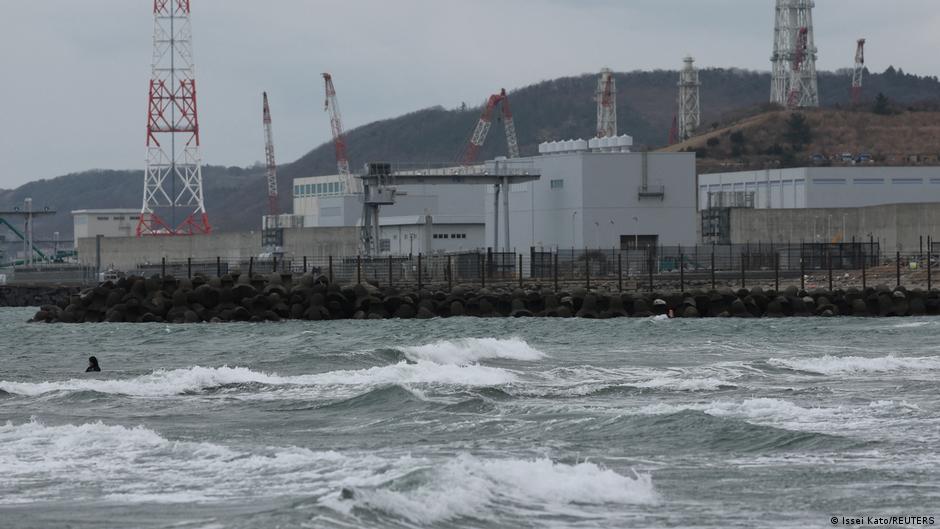
Japanese regulators have approved the restart of the world's largest nuclear power plant, which has been shut down for more than a decade since the Fukushima disaster. Japan seeks to reduce its reliance on fossil fuels. In Niigata Prefecture, where the Kashiwazaki-Kariwa plant is located, the prefectural assembly approved legislation on Monday allowing Tokyo Electric Power Company to proceed with plans to bring one of the facility's seven reactors back into operation, despite lingering concerns among residents. The utility is aiming to restart the No. 6 reactor around 20 January.
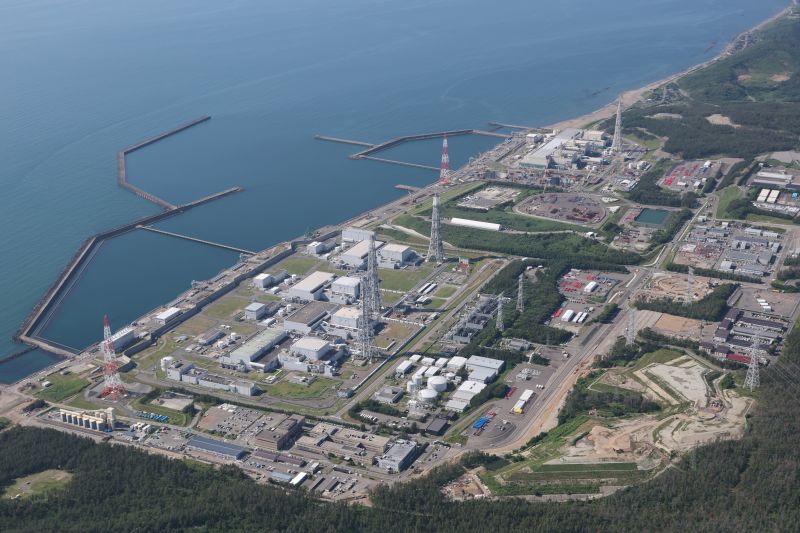
TEPCO's Kashiwazaki-Kariwa Nuclear Power Plant in Kashiwazaki, Niigata (via Asahi).
 www.dw.com

 mainichi.jp
TEPCO's Kashiwazaki-Kariwa Nuclear Power Plant in Kashiwazaki, Niigata (via Asahi).
Before the Fukushima disaster, Japan's nuclear reactors had provided around 30% of the country's electricity. Since then, Japan has increased its reliance on costly imported fossil fuels, including coal and gas, to power the country and keep the lights on. About 60–70% of Japan's power generation comes from imported fossil fuels, which cost the government about 10.7 trillion yen ($68 billion) last year alone. Japanese Prime Minister Sanae Takaichi, who took office two months ago, is a strong proponent of nuclear power and has pushed to revive the crippled industry to drive down costs, tackle inflation and a stagnant economy. Japan is the world's fifth-largest emitter of carbon dioxide, after China, the United States, India and Russia, according to the International Energy Agency. But it has committed to reaching net zero emissions by 2050, and renewable energy was at the centre of its latest energy plan published earlier this year, with a push for greater investments in solar and wind.
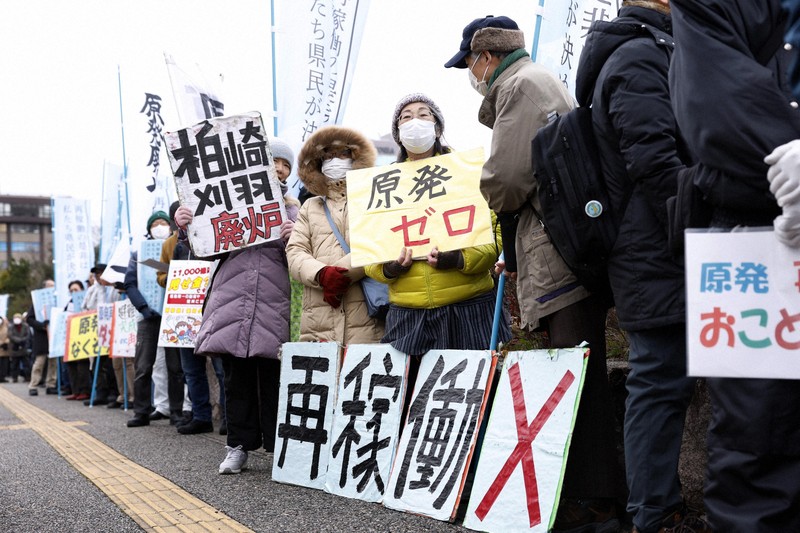
Critics also point to a survey conducted by the prefecture that found that 60% of residents said "conditions are not right for restarting" the reactors. "There is strong distrust among residents of the prefecture and the Japanese public in general towards TEPCO, which they hold responsible for the Fukushima disaster," said Takeshi Sakagami, of the Citizens' Association for Monitoring Nuclear Regulation. Despite the assurances of the operator and the local government, Sakagami has several concerns, ranging from lax internal security to fears that any disaster management plan will be inadequate in the event of another major earthquake.
Japan: TEPCO's nuclear restart plan sparks angst
Japan wants to boost nuclear power generation to slash its reliance on imported fossil fuels. The public is torn between energy needs and security risks.
www.dw.com
TEPCO eyes 1st post-Fukushima reactor restart in Jan. as local gives OK - The Mainichi
NIIGATA, Japan (Kyodo) -- Tokyo Electric Power Company Holdings Inc. on Monday completed the process to obtain local consent for restarting a nuclear


