


- 14 Mar 2002
- 21,056
- 18,912
Spider fighting was recently recognised as a cultural practice worth preserving. It has been inscribed on the Heritage for the Future list, curated by an organisation aligned with UNESCO's principles for safeguarding traditional culture. The National Federation of UNESCO Associations in Japan (NFUAJ)—a nongovernmental body engaged in domestic and international cultural initiatives—presented the organisers of the spider-fighting events with a certificate of the inscription on 23 March at the Futtsu community centre.
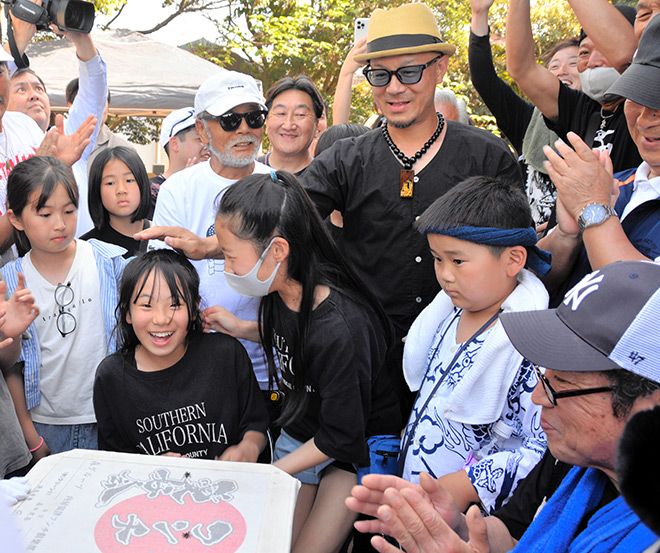
Photo credit:Tsutsumi Kyota via Asahi
The tradition is said to have begun during the Edo Period. According to the Japanese inscription, the event fosters "community ties spun by spiders" and is recognised as one of Japan's three most prominent spider-fighting events. It is known for deciding the yokozuna, or grand champion. The event is held annually on 4 May at Futtsu Yasakajinja (富津八坂神社) in Chiba Prefecture. This year, it will mark its 24th iteration. The competition involves male Carrhotus xanthogramma, a species of jumping spider about one centimetre in length. This spider exhibits heightened aggression during mating season and is locally called "funchi" (フンチ) in Futtsu.
The practice is said to have gained popularity among fishermen, who would wager on the outcomes of the matches. Historical accounts suggest the custom flourished, particularly during the Kyōhō Era (享保, 1716–1736).
Photo credit:Tsutsumi Kyota via Asahi
The tradition is said to have begun during the Edo Period. According to the Japanese inscription, the event fosters "community ties spun by spiders" and is recognised as one of Japan's three most prominent spider-fighting events. It is known for deciding the yokozuna, or grand champion. The event is held annually on 4 May at Futtsu Yasakajinja (富津八坂神社) in Chiba Prefecture. This year, it will mark its 24th iteration. The competition involves male Carrhotus xanthogramma, a species of jumping spider about one centimetre in length. This spider exhibits heightened aggression during mating season and is locally called "funchi" (フンチ) in Futtsu.
The practice is said to have gained popularity among fishermen, who would wager on the outcomes of the matches. Historical accounts suggest the custom flourished, particularly during the Kyōhō Era (享保, 1716–1736).


 My other half swore she saw a largish, pale pink spider when we first moved down to Devon. I joked it was probably a crab but apparently pink spiders do live in the drains and sewers


