


- 14 Mar 2002
- 21,050
- 18,904
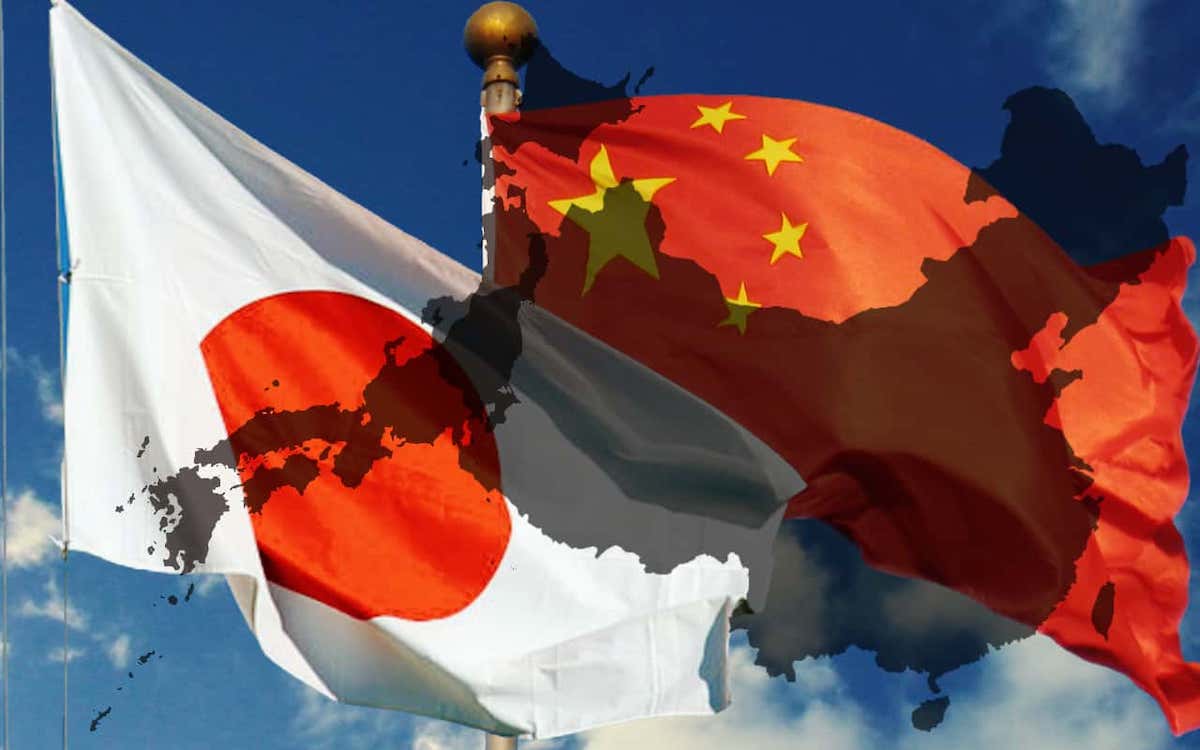
William Pesek argues in Forbes magazine that with Trump 2.0 looming, Japan better brace itself for unprecedented economic challenges ahead: Trump pledged to impose 60% tariffs on China and perhaps a 20% blanket across-the-board levy on all goods globally.
In last month's election, the Liberal Democratic Party experienced its third significant loss of outright power since 1955. Although Prime Minister Shigeru Ishiba remains in office, he now leads a minority government with limited political leverage to push forward economic reforms. Since the early 1990s, Japanese leaders have typically only lasted around 12 months in office. This short tenure forces them to focus more on maintaining their positions than effectively governing. So far, Ishiba's time in office, which began on 1 October, has shown little indication that he will be known for significant accomplishments.
However, Japan could benefit by pushing through structural reforms long overdue:

 www.forbes.com
Though Trump's initial 2017-2021 trade war was largely aimed at China, Japan arguably suffered the worst collateral damage. One of Trump's first major acts in 2017 was unilaterally withdrawing from the Trans-Pacific Partnership trade pact, leaving Japan in a tight spot vis-à-vis China. The U.S.-led TPP was aimed at curbing China's economic dominance. Trump 2.0 could be far more calamitous for Asia's second-biggest economy. One reason is that Japan Inc. isn't in a great place as 2025 approaches. For example, Japan's 2.4% inflation rate is outpacing average wage gains at a moment of decelerating national growth. The yen is sliding again, upping the risks that Japan will import more inflation via elevated energy and food prices. These are the pre-existing conditions that Japan will carry into the Trump 2.0 era and the ginormous trade wars sure to shake Asia's economic foundations.
In last month's election, the Liberal Democratic Party experienced its third significant loss of outright power since 1955. Although Prime Minister Shigeru Ishiba remains in office, he now leads a minority government with limited political leverage to push forward economic reforms. Since the early 1990s, Japanese leaders have typically only lasted around 12 months in office. This short tenure forces them to focus more on maintaining their positions than effectively governing. So far, Ishiba's time in office, which began on 1 October, has shown little indication that he will be known for significant accomplishments.
However, Japan could benefit by pushing through structural reforms long overdue:
That's a bigger problem than usual, as Trump 2.0 makes giant trade wars great again. If there's any silver lining here, it's that Trump's policies will catalyze Japan to become more self-reliant. Its $4.2 trillion economy is still too dependent on exports for comfort. Trump's return may light a fire under Japanese bureaucrats to accelerate efforts to increase the role of domestic consumption in driving growth. There's not a moment for Ishiba's new government to waste, particularly if he, too, only gets one year in office. Topping his to-do list are moves to reduce bureaucracy, loosen labour markets, incentivize greater innovation and productivity, empower women and convince global investors to rediscover Tokyo stocks that fresh upgrades are underway.
Trump 2.0 Will End Japan’s ‘Peter Pan’ Act Once And For All
It’s been nearly a decade since then-Bank of Japan leader Haruhiko Kuroda amused global markets with talk of Peter Pan saving the day.
www.forbes.com



 ?
?


