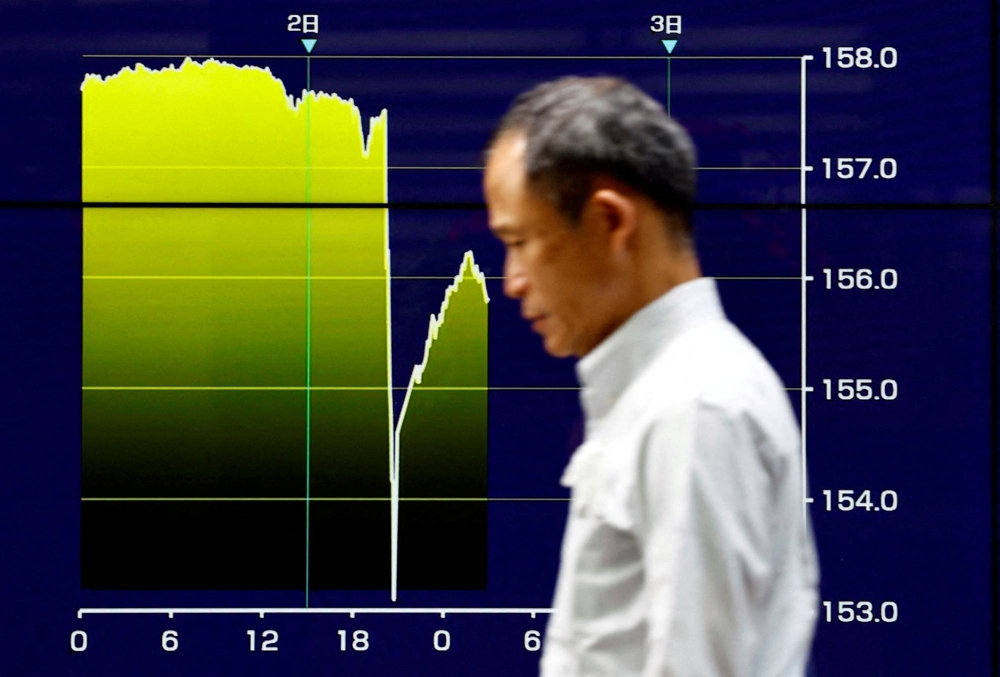
In September and October of 2022, Japan intervened in the currency market three times, expending approximately 9.2 trillion yen ($58.7 billion at current rates). The Finance Ministry strategically times these interventions to optimize their impact. The intervention in September was conducted following a news conference by then-BOJ Governor Haruhiko Kuroda at the latest monetary policy meeting. The interventions in October were executed either early in the morning or late at night during periods of reduced market scrutiny. It's believed that Japan carried out the 2022 interventions independently, utilizing only its own foreign reserves. However, currency authorities also have the option to conduct coordinated interventions with foreign counterparts, allowing them to combine resources for a more significant market impact. Historically, Japan and the U.S. performed a coordinated yen-buying intervention in June 1998. The 1985 Plaza Accord was a joint effort by the U.S., Japan, the U.K., West Germany, and France to restrain the excessive strengthening of the U.S. dollar. The Group of Seven also participated in currency interventions, purchasing euros in 2000 and selling yen in 2011.