- 14 Mar 2002
- 21,050
- 18,903
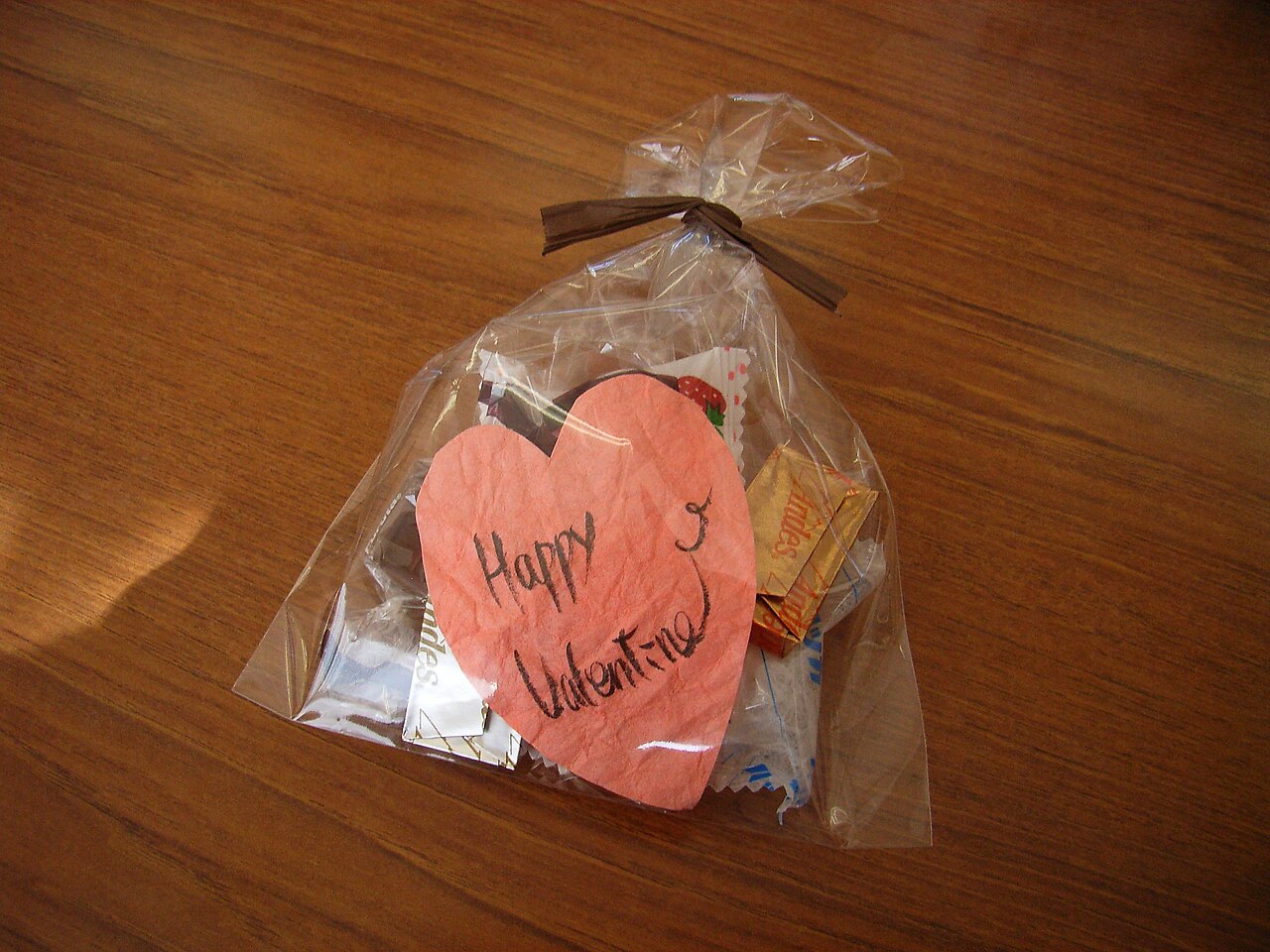
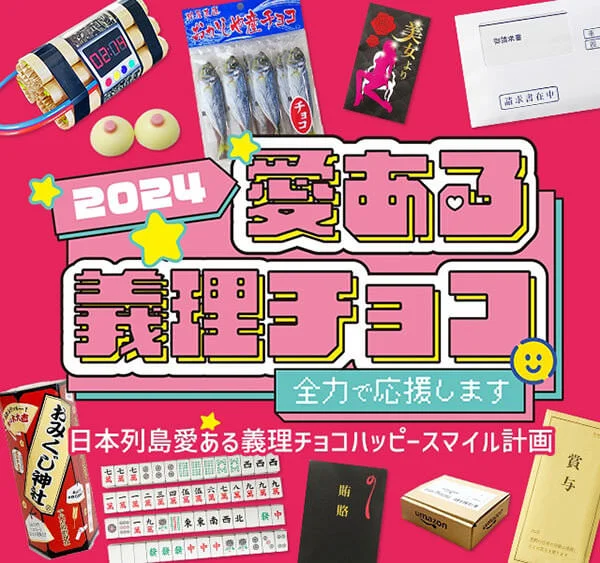
Tomorrow is Valentine's Day, when - in Japan - women present chocolate to men. Either "honmei choco" (本命チョコ) to their loved ones or "giri choco" (義理チョコ) to friends, family members, or colleagues. And yes, most husbands get 義理チョコ. 
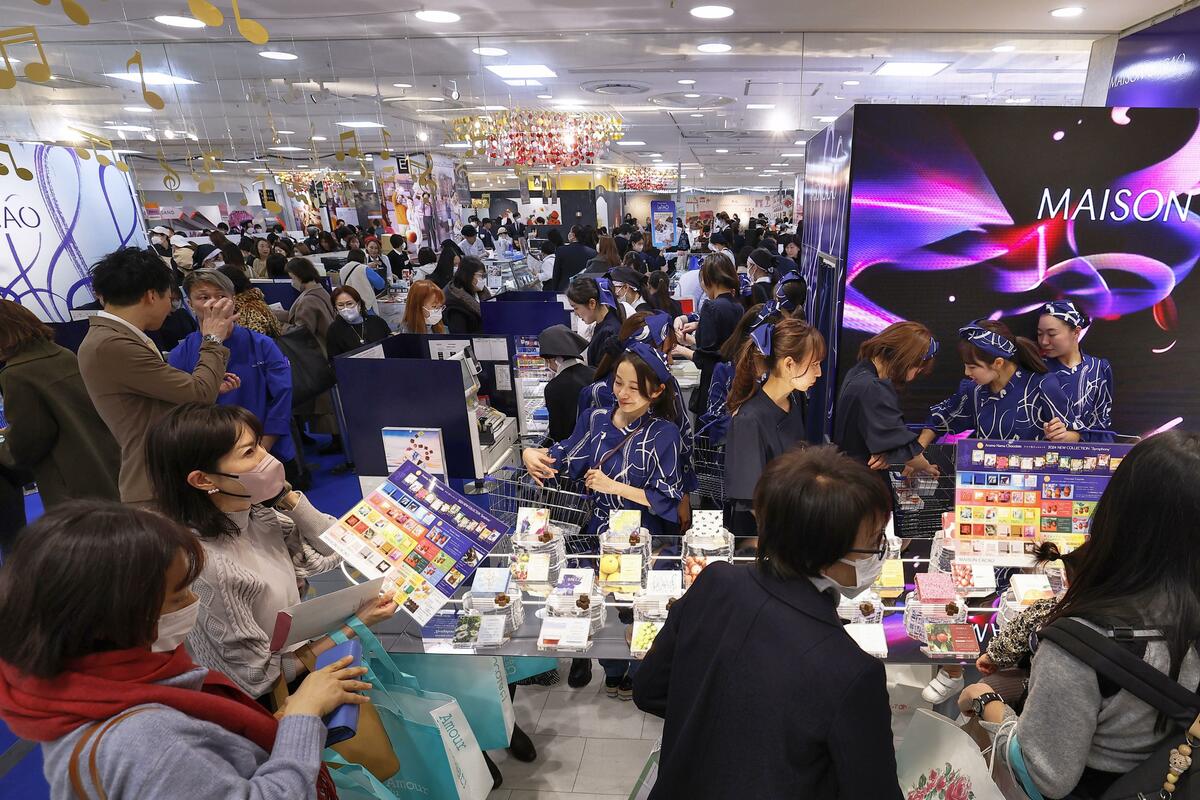
According to a recent private sector survey in Japan, more than three times as many women plan to buy Valentine's Day chocolates for themselves compared to those giving treats to their sweethearts. Among the respondents, 21.7 per cent of women intend to purchase chocolates for their enjoyment, an 8.5 per cent increase from the previous year. This trend reflects a growing inclination among women to treat themselves to sweets during the Valentine's season.
 english.kyodonews.net
According to a recent private sector survey in Japan, more than three times as many women plan to buy Valentine's Day chocolates for themselves compared to those giving treats to their sweethearts. Among the respondents, 21.7 per cent of women intend to purchase chocolates for their enjoyment, an 8.5 per cent increase from the previous year. This trend reflects a growing inclination among women to treat themselves to sweets during the Valentine's season.
The gap between women who plan to buy for themselves and those set to gift their partners or people they have a crush on expanded to 3.4-fold compared to a 1.7-fold seen last year, the survey released Thursday showed. [...] Women are also spending more on chocolates despite price hikes hitting daily goods and tightening their purse strings, with the average budget surging 34.0 per cent to 5,024 JPY (USD 34). The amount spent for chocolates for sweethearts and those for themselves also increased from the previous year to 3,222 JPY and 1,766 JPY, respectively. The largest cohort at 44.7 per cent said they would buy chocolates for their families, the online survey drawing 1,257 responses from women aged 15 to 79 in January showed. "As ways to enjoy (Valentine's Day) have become diverse, more people are buying (chocolates) to treat themselves," an official at Intage said. The majority of working women, meanwhile, are reluctant about following the tradition of giving "obligatory" chocolates to male coworkers, with 82.2 per cent of the 370 respondents saying they do not want to give such chocolates.
More Japanese women buying Valentine's Day chocolates for themselves
The number of women who plan to buy Valentine's Day chocolates for themselves in Japan is over threefold more than those giving the treats to their sweethearts, a recent private sector survey showed.