


- 14 Mar 2002
- 21,050
- 18,903
A special exhibition exploring Japan's rich tradition of yōkai (妖怪) and legendary creatures opened with a press preview on 3 July at the Tottori Prefectural Museum in Higashimachi, Tottori City. Titled "Yōkai and Legendary Creatures" (妖怪・幻獣づくし), the exhibition is organised by the Yomiuri Shimbun and other partners. It runs from 4 July to 30 August. Around 170 exhibits examine how yōkai and so-called genjū (幻獣), or legendary beasts, have been imagined and represented throughout Japanese history. The display brings together historical books, illustrated scrolls, preserved specimens and zoological materials, showing both the folklore surrounding these creatures and the real animals that inspired many of them.
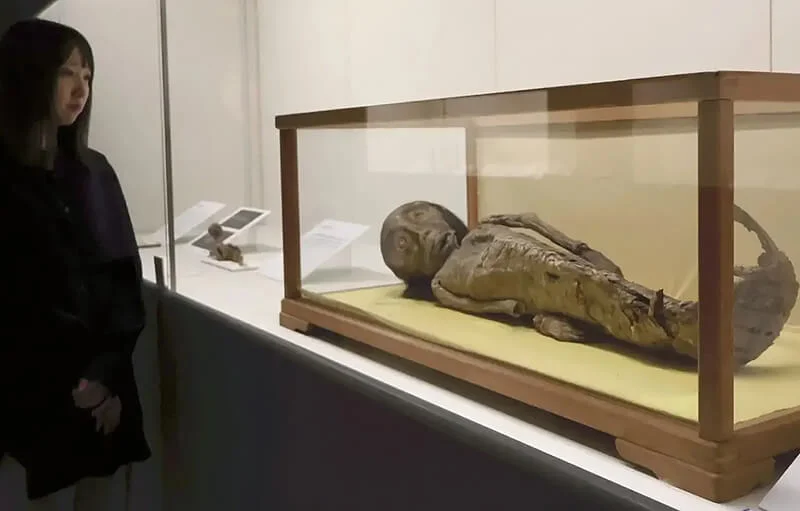
Among the highlights are the so-called "Mermaid Mummy", a preserved figure traditionally kept at a temple in Osaka, and a taxidermied Kudan (件), a legendary creature with a human face and the body of a cow, dating from around the Taishō period (1912–1926). Visitors can also see the Chikuzen Bakemono Emaki (筑前化物絵巻), a late Edo-period illustrated scroll depicting a variety of monsters based on familiar animals such as snails, snakes, octopuses and squid. The scroll, shown publicly in the Chūgoku region for the first time, is accompanied by contemporary explanations describing each creature.
Curator Kashimura Kenji said the exhibition illustrates the close relationship between people and yōkai or legendary creatures throughout Japanese history. He expressed the hope that visitors would enjoy the displays while learning more about the folklore and cultural traditions behind them. Admission is ¥1,000 for adults. Entry is free for university students, younger visitors, and people aged 70 and over.
Translated from here:

 www.yomiuri.co.jp
The so-called "Mermaid Mummy" preserved at Zuiryū-ji (瑞龍寺), an Ōbaku Zen temple in Osaka's Naniwa Ward, also known as Tetsugen-dera (鉄眼寺) after the monk Tetsugen Dōkō, who rebuilt the temple. The specimen, currently on display at the Tottori exhibition, belongs to Zuiryū-ji, which also preserves mummies said to represent a kappa and a dragon, although these are not normally exhibited. According to a tradition recorded on the mummy's storage box, it was donated to the temple in 1682 (Tenna 2). Another account suggests it was brought from China by the wealthy Sakai merchant Mandai Shirōbei, but its true origin remains uncertain. Although the temple buildings were destroyed during the Osaka air raids of 1945, the mummy survived.
Among the highlights are the so-called "Mermaid Mummy", a preserved figure traditionally kept at a temple in Osaka, and a taxidermied Kudan (件), a legendary creature with a human face and the body of a cow, dating from around the Taishō period (1912–1926). Visitors can also see the Chikuzen Bakemono Emaki (筑前化物絵巻), a late Edo-period illustrated scroll depicting a variety of monsters based on familiar animals such as snails, snakes, octopuses and squid. The scroll, shown publicly in the Chūgoku region for the first time, is accompanied by contemporary explanations describing each creature.
Curator Kashimura Kenji said the exhibition illustrates the close relationship between people and yōkai or legendary creatures throughout Japanese history. He expressed the hope that visitors would enjoy the displays while learning more about the folklore and cultural traditions behind them. Admission is ¥1,000 for adults. Entry is free for university students, younger visitors, and people aged 70 and over.
Translated from here:
人魚のミイラ・顔は人間で胴体は牛の「件」“実物”間近で見られます…妖怪・幻獣の展覧会
【読売新聞】 恐怖と畏敬の対象「妖怪」と、未確認動物とも呼ばれる「幻獣」を紹介する企画展「妖怪・幻獣づくし」(読売新聞社など主催)の内覧会が3日、鳥取市東町の鳥取県立博物館で開かれた。妖怪や幻獣に関する書物や、モチーフになった動物の


