


- 14 Mar 2002
- 21,050
- 18,903
The Guardian on Kasasa Island (笠佐島) in the Seto Inland Sea, home to seven (!) residents, and known as the "Hawaii" of Japan's inland sea because of its warm climate and beautiful coastline. But its idyllic, secluded location is attractive for other reasons, too. It sits at a sensitive spot for national security, close to two key military bases. Iwakuni US Marine Corps airbase is 20km away, and a Japanese Maritime Self-Defence Force base is 50km to the north, in the city of Kure.
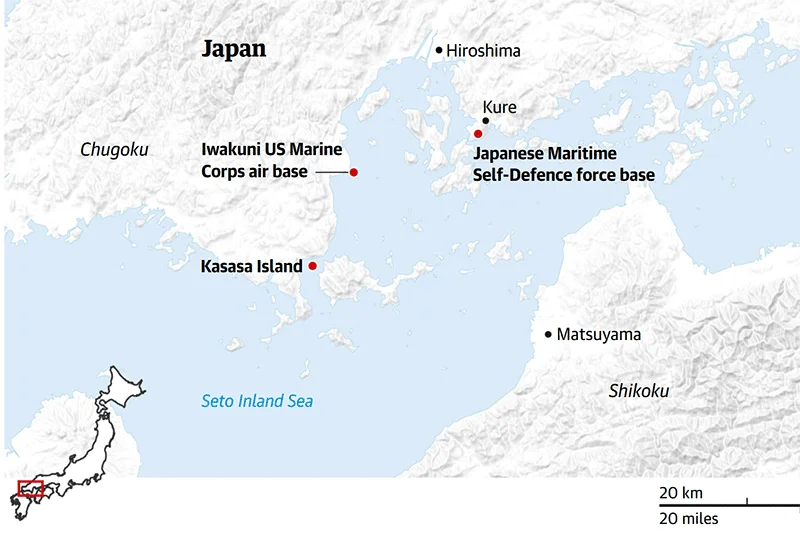
Image credit: The Guardian
Fears of a silent invasion:

 www.theguardian.com
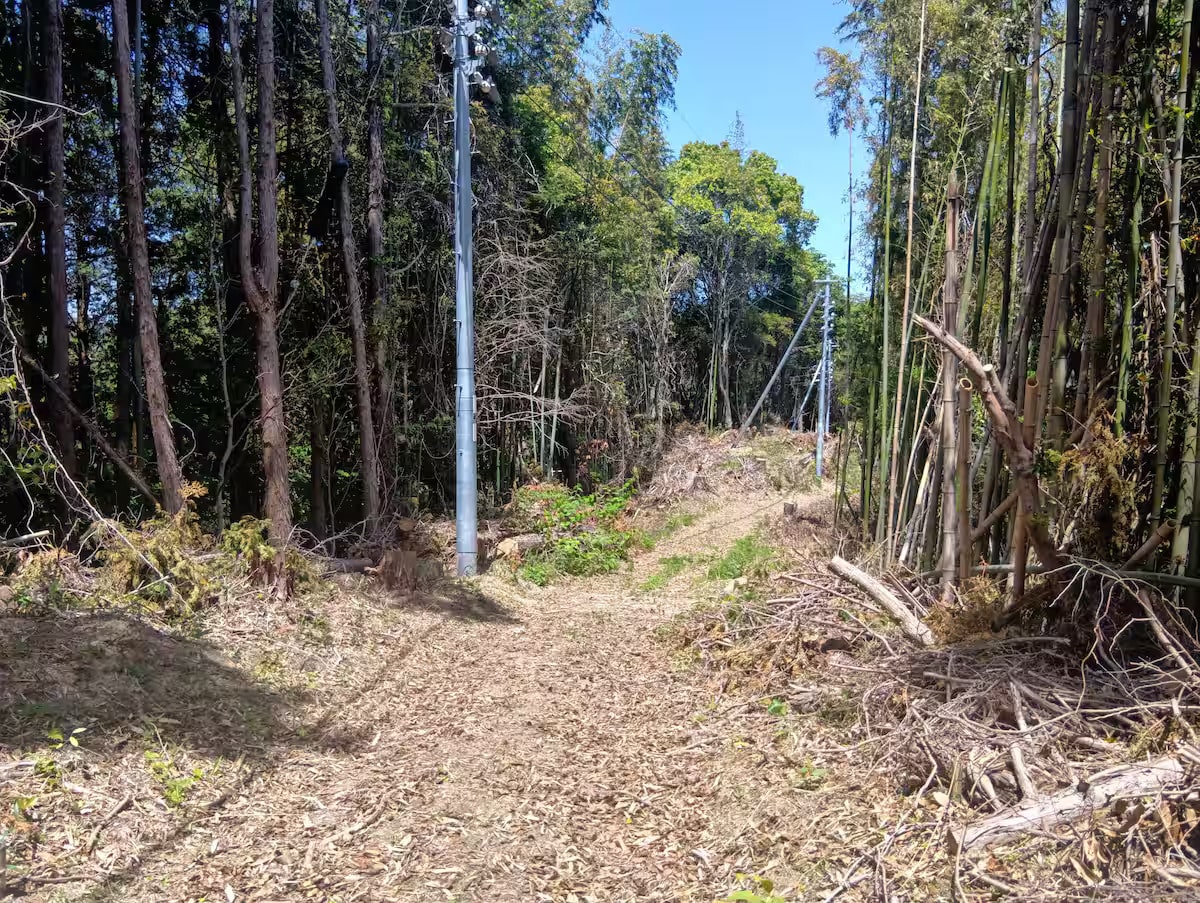
 japan-forward.com

Image credit: The Guardian
Fears of a silent invasion:
When it emerged that wealthy Chinese developers had bought and begun developing two plots of land, rumours that Beijing could use them for surveillance began to swirl, leading one councillor to claim that the island "could eventually become a Chinese island". Critics have pointed out that the same laws apply to landowners regardless of their nationality, but the debate has continued inside Japan regardless. In the space of a few months, the modest island – measuring less than one square kilometre – has become emblematic of the worsening ties between the two countries, as well as Japan's fears about Beijing's ambitions in the region.
The half-abandoned Japanese island at the heart of tensions with China
Kasasa island, in the Seto Inland Sea, has only seven residents but its fate is strongly intertwined with relations between Tokyo and Beijing
Seto Inland Sea Island Sale Raises Alarms Over Chinese Presence | JAPAN Forward
Seto Inland Sea island residents worry that Chinese seek land near a vital maritime corridor, close to both JMSDF installations and US military bases.
japan-forward.com
Chinese Developers on Tiny Japanese Island Raise Eyebrows
A small island in the Seto Inland Sea, home to just seven registered residents, is seeing rapid changes due to land acquisitions linked to Chinese investors—raising alarm among the local community.
newsonjapan.com
Kasasa Island (笠佐島 Kasasa-jima) lies in the eastern part of the Seto Inland Sea. Administratively, it forms part of Kure City in Hiroshima Prefecture. The island sits among the dense chain of small islands scattered between Honshū and Shikoku and is part of the wider maritime zone historically linked to the port of Kure.
The island covers only a few square kilometres. A narrow strip along the shore holds most of the houses, which cluster around a small harbour. Behind them, the terrain rises quickly into wooded hills typical of the Inland Sea islands. Farming is limited. Small terraced plots produce citrus fruit and vegetables, though the land available for cultivation is modest. The surrounding waters are calm and protected, conditions that long favoured fishing villages rather than larger settlements.
Kasasa's population is small and ageing. Like many islands in the Inland Sea, it has lost residents over several decades as younger people moved to mainland cities such as Hiroshima or nearby Kure. The remaining settlement forms a compact line of houses facing the harbour. Fishing remains the main occupation, though some residents travel to neighbouring islands or the mainland for work. Transport depends on local ferry services linking Kasasa to nearby ports and other islands. No bridge connects it to the mainland. Given the island's small size, most travel within the settlement takes place on foot or along short local roads.
The sea lanes around Kasasa were important maritime routes connecting western Honshū with northern Shikoku. In the medieval period, they were influenced by regional naval groups known as kaizoku (海賊), often described as pirates. In practice, they functioned as semi-autonomous maritime clans that controlled shipping routes and sea trade.
In the modern era, the nearby mainland port of Kure became a major base for the Imperial Japanese Navy. Smaller islands in the area were drawn into that economic sphere, supplying fish and providing transport or other services connected to the naval port. Today, Kasasa remains quiet and rarely appears on tourist itineraries. Unlike several better-known islands in the Seto Inland Sea, it hosts no large art projects or major attractions. The island instead reflects a wider pattern seen across the Inland Sea, where small communities face shrinking populations, ageing residents and the gradual decline of traditional island life.
The island covers only a few square kilometres. A narrow strip along the shore holds most of the houses, which cluster around a small harbour. Behind them, the terrain rises quickly into wooded hills typical of the Inland Sea islands. Farming is limited. Small terraced plots produce citrus fruit and vegetables, though the land available for cultivation is modest. The surrounding waters are calm and protected, conditions that long favoured fishing villages rather than larger settlements.
Kasasa's population is small and ageing. Like many islands in the Inland Sea, it has lost residents over several decades as younger people moved to mainland cities such as Hiroshima or nearby Kure. The remaining settlement forms a compact line of houses facing the harbour. Fishing remains the main occupation, though some residents travel to neighbouring islands or the mainland for work. Transport depends on local ferry services linking Kasasa to nearby ports and other islands. No bridge connects it to the mainland. Given the island's small size, most travel within the settlement takes place on foot or along short local roads.
The sea lanes around Kasasa were important maritime routes connecting western Honshū with northern Shikoku. In the medieval period, they were influenced by regional naval groups known as kaizoku (海賊), often described as pirates. In practice, they functioned as semi-autonomous maritime clans that controlled shipping routes and sea trade.
In the modern era, the nearby mainland port of Kure became a major base for the Imperial Japanese Navy. Smaller islands in the area were drawn into that economic sphere, supplying fish and providing transport or other services connected to the naval port. Today, Kasasa remains quiet and rarely appears on tourist itineraries. Unlike several better-known islands in the Seto Inland Sea, it hosts no large art projects or major attractions. The island instead reflects a wider pattern seen across the Inland Sea, where small communities face shrinking populations, ageing residents and the gradual decline of traditional island life.


