


- 14 Mar 2002
- 21,050
- 18,903
This approach aims to transform dung into a fuel source. Hydrogen is seen as a promising alternative to fossil fuels, as it produces no carbon emissions when burned. It has the potential to power homes, vehicles, trains, and even ships in a more sustainable future. However, most hydrogen production today relies on methane, a fossil fuel, or requires electricity to split water. Both methods can still have a carbon footprint unless renewable energy is used.
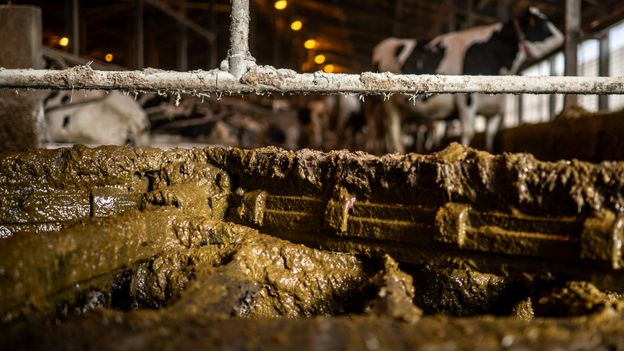
The Shikaoi Hydrogen Farm, however, takes a different approach. It utilises Hokkaido 's abundant supply of cattle manure—around 20 million tonnes produced annually. This waste can contribute to methane emissions and pollute waterways if left untreated. The farm explores whether manure could help drive a cleaner, more sustainable energy future by repurposing it for hydrogen production.
 www.bbc.com
The Shikaoi Hydrogen Farm, however, takes a different approach. It utilises Hokkaido 's abundant supply of cattle manure—around 20 million tonnes produced annually. This waste can contribute to methane emissions and pollute waterways if left untreated. The farm explores whether manure could help drive a cleaner, more sustainable energy future by repurposing it for hydrogen production.
Though it's unlikely that cow manure alone will ever meet Japan's hydrogen demand, it could contribute significantly. Shikaoi is creating a model for a circular economy that it hopes will show how costs can fall with the economies of scale. There is also growing interest in other parts of the world in using waste materials to produce hydrogen, with pig dung, poultry waste, and even coconut husks having been explored as potential feedstocks. In Thailand, Toyota is even exploring using hydrogen made from chicken waste to fuel its vehicles. They used manure, sugarcane waste, and corn husks to make biochar. This carbon-rich substance vastly reduces the electricity needed to convert water to hydrogen.
The Japanese town turning cowpats into hydrogen fuel
In Japan, a smelly waste product is being reimagined as a potential clean fuel of the future that is powering cars and tractors.
www.bbc.com


