


- 14 Mar 2002
- 21,053
- 18,904
Rising numbers of restaurant diners are creating new opportunities for the food service industry, which is eager to recover from the pandemic. However, there's a significant challenge: labour is scarce and costly. Japan's robot manufacturers are stepping in with innovative machines to fill the gap left by the shortage of workers. Asian cuisine is a surprising catalyst in the global shift towards kitchen automation. Robots capable of producing 1,200 pieces of sushi, shaping fluffy onigiri rice balls, or perfectly wrapping delicate Chinese gyoza dumplings are transforming the food service industry. This innovation is driven by the unwavering demand for authentic Asian delicacies, all crafted without requiring highly skilled chefs.
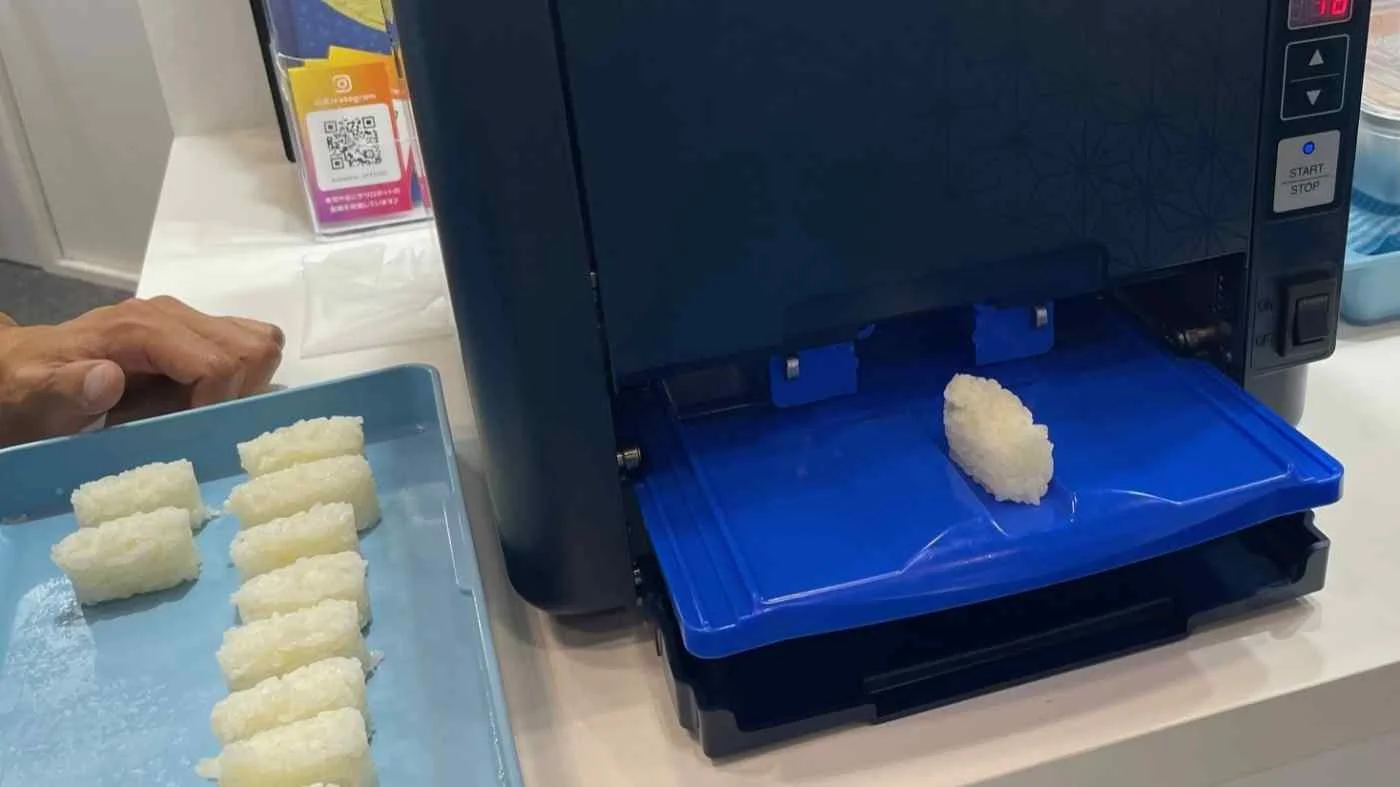
Photo credit: Suzumo Machinery
Industrial robots produce gyoza at a fantastic speed:
Paywall alert:

 asia.nikkei.com
Photo credit: Suzumo Machinery
Suzumo Machinery, a leading maker of sushi robots, is slated to unveil a compact sushi rice-molding robot on Tuesday. The robot can mould 1,200 pieces of shari, or sushi rice, per hour. With just the press of a button, it can adjust the size of the rice ball in 1-gram increments. Positioned as an entry-level model, the machine is designed for simple operation, with fewer parts than its predecessors, ensuring effortless use without complex adjustments. Targeting izakaya pubs, Korean-style barbeque restaurants and karaoke bars, Suzumo hopes to sell its sushi maker to those looking to expand their menus. The robot's sleek design looks good on a counter, a plus for bars overseas that are eager to show off their high-tech equipment.
Industrial robots produce gyoza at a fantastic speed:
Gyoza machine maker Toa Industry in Hamamatsu, Shizuoka prefecture, has developed a compact robot for restaurants that can wrap 1,500 gyoza dumplings per hour. The machine is roughly the size of a household microwave oven. According to Toa, adding handmade gyoza to the menu allows pubs and supermarkets to broaden their offerings. This has opened up new markets beyond gyoza speciality shops and Chinese restaurants. Some of the company's customers sell their gyoza as take-home items, boosting their revenue.
Paywall alert:
Don't look now, but your next sushi chef could be a robot
Japan's machinery makers devise innovative solutions to labor crunch
asia.nikkei.com


