


- 14 Mar 2002
- 21,050
- 18,903
The production cost of Japan's 5 yen coin is increasing due to rising material costs and a less favourable exchange rate, leading to concerns that it may soon cost more to make the coin than its actual value. The 5 yen coin is composed of a brass alloy. It weighs 3.75 grams and contains 60-70% copper and 30-40% zinc.
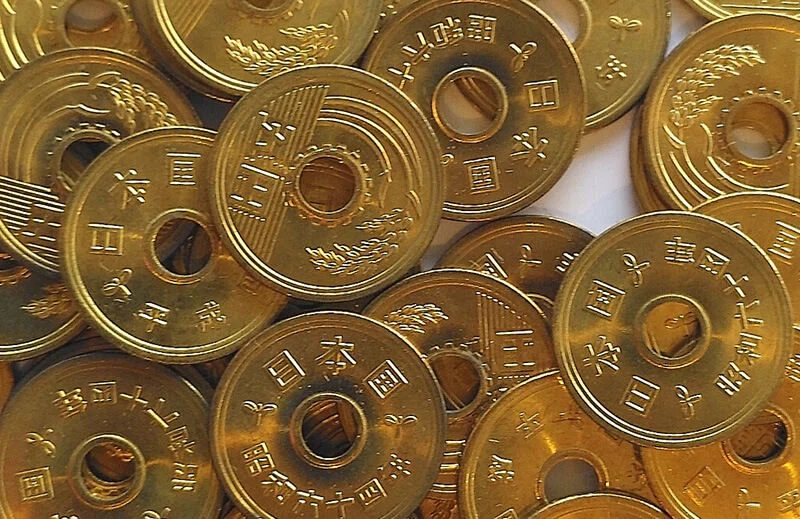
Meanwhile, a 10-yen coin weighs 4.5 grams and is 95% copper, 3% to 4% zinc, and 1% to 2% tin. Its estimated cost for materials is 7.45 JPY. Could the materials cost for a 5-yen coin exceed the coin's face value? If only the exchange rate moves, weakening the yen to 170 to the dollar would cause materials costs to exceed the face value.
Paywall alert:

 asia.nikkei.com
Although the Japan Mint does not disclose materials costs, they can be estimated based on market prices. Copper prices continue to mark record highs, with the benchmark price announced by JX Advanced Metals at 1.63 million JPY (about USD10,500) per tonne as of this past Wednesday. The benchmark price of zinc announced by Mitsui Mining & Smelting was recently around 523,000 yen per tonne. Based on these benchmark prices, the copper in a single 5-yen coin would cost 3.98 JPY and the zinc 0.69 JPY, for a total of 4.66 JPY—or 93% of the face value. This is up 27% from late last year.
Meanwhile, a 10-yen coin weighs 4.5 grams and is 95% copper, 3% to 4% zinc, and 1% to 2% tin. Its estimated cost for materials is 7.45 JPY. Could the materials cost for a 5-yen coin exceed the coin's face value? If only the exchange rate moves, weakening the yen to 170 to the dollar would cause materials costs to exceed the face value.
Paywall alert:
Japan's 5 yen coin costs almost face value on pricey copper, zinc
Weak Japanese currency drives up dollar-based materials prices
asia.nikkei.com


