


- 14 Mar 2002
- 21,050
- 18,903
In Niigata, rice grown in dry fields using a new cultivation method has been harvested for the first time, much to the satisfaction of those taking part in the project. The technique, known as the water-saving dry direct seeding method, involves planting rice seeds directly into dry soil rather than flooding the fields. Early results from the trial in Niigata City have been encouraging. Compared with traditional paddy cultivation, the approach reduces labour and improves efficiency, making it easier to expand production and meet growing demand.
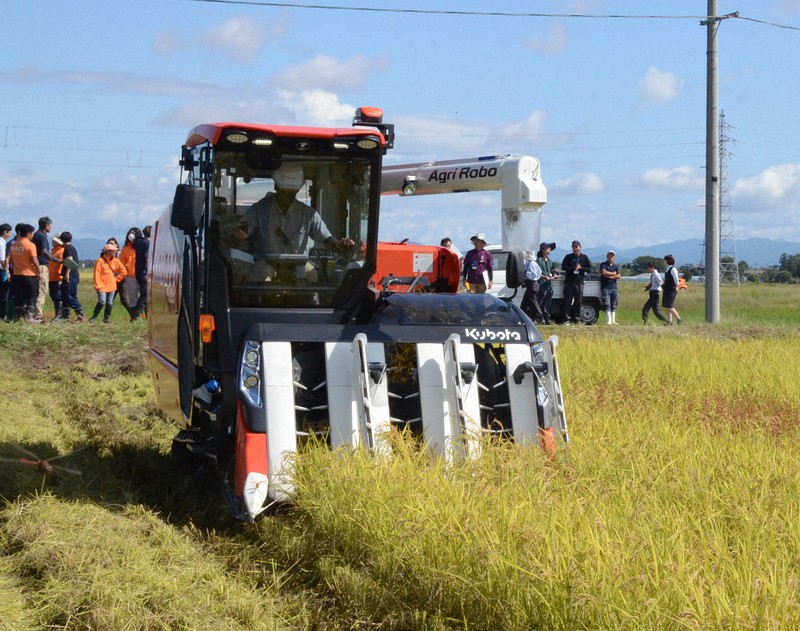
Photo credit: Kanzaki Shuichi via Mainichi
On 2 October, the Niigata-based agricultural company Vege Abio, part of the NSG Group, presented the results of this year's harvest. The company launched the trial in cooperation with several partners, including the Niigata Agricultural Cooperative and Niigata Kubota Corp., planting rice over an area of about 0.57 hectares in its first year.

 mainichi.jp
Photo credit: Kanzaki Shuichi via Mainichi
On 2 October, the Niigata-based agricultural company Vege Abio, part of the NSG Group, presented the results of this year's harvest. The company launched the trial in cooperation with several partners, including the Niigata Agricultural Cooperative and Niigata Kubota Corp., planting rice over an area of about 0.57 hectares in its first year.
[...] compared to conventional paddy rice cultivation, the direct seeding method eliminates steps like seedling preparation and transplanting. Water is only applied minimally when necessary, significantly reducing the time required for water management. As a result, the overall workload is estimated to be reduced by about 60%. Additionally, since the fields are not flooded, the emission of methane, a greenhouse gas from rice paddies, is also minimised, offering environmental benefits. [...] As idle land increases, if this cultivation method can be socially implemented, it would allow each farmer to manage twice the area, addressing labour shortages and reducing costs.
Rice grown in dry fields harvested in 1st year of test cultivation in Japan's Niigata - The Mainichi
NIIGATA -- Rice grown in dry fields in the first year of trial cultivation has been harvested here recently to the joy of the people involved in the p


![-]5pace.pirat3]+](/data/avatars/s/10/10061.jpg?1412559883)


