


- 14 Mar 2002
- 21,050
- 18,903
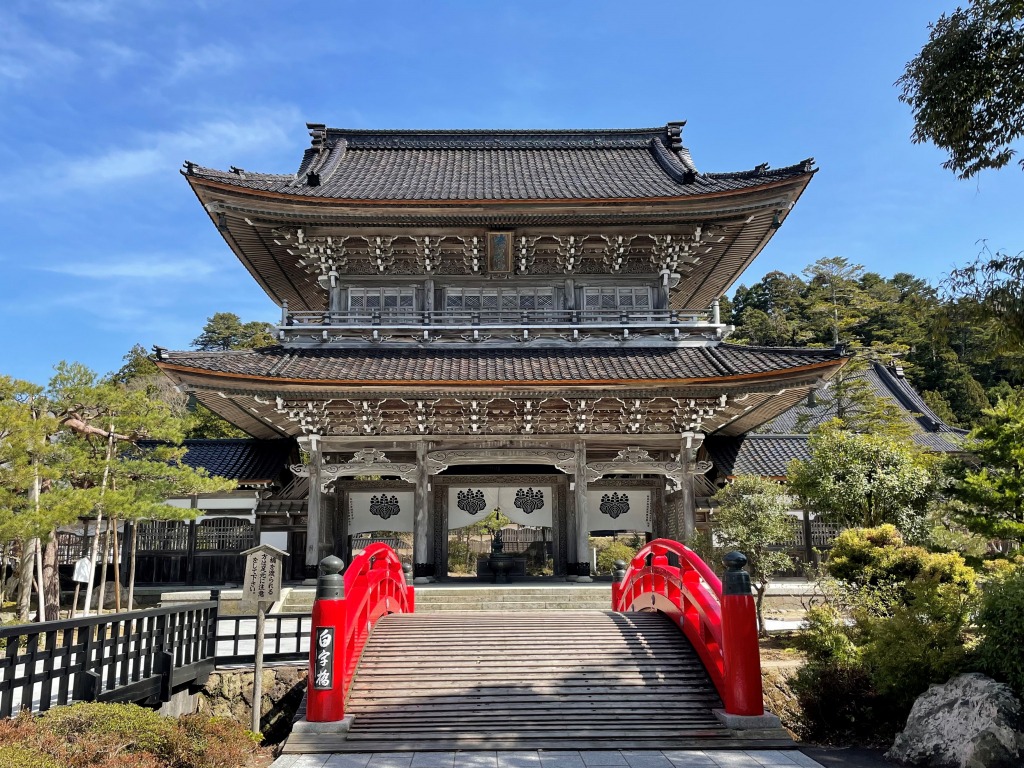
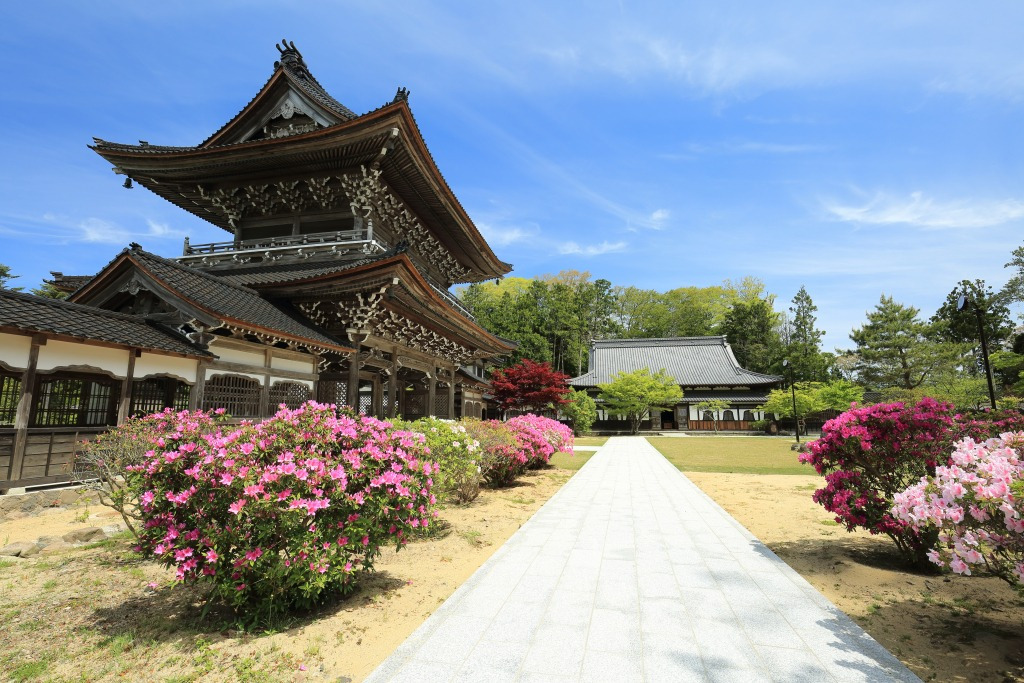
The Sōjiji Soin temple (總持寺祖院) in Wajima, a National Important Cultural Property, sustained severe damage to 41 buildings during the Noto Peninsula earthquake on 1 January 2024. A newly established restoration committee of experts convened on 12 March to assess the destruction, including heavily tilted corridors.
The restoration, supported by the national government, is projected to take almost 10 years and cost approximately 3.8 billion yen.

 news.goo.ne.jp

 www3.nhk.or.jp
The restoration, supported by the national government, is projected to take almost 10 years and cost approximately 3.8 billion yen.
Sōjiji Soin is a historic Sōtō Zen temple in Monzen, Wajima, Ishikawa Prefecture, founded initially as Morooka-ji by Gyoki. It became a Sōtō Zen monastery in 1321 when Keizan Jokin reestablished it as Sojiji. Emperor Go-Daigo is said to have honoured the temple with an imperial plaque the following year, although this remains a legend.
During the Edo period , Sōjiji and Eiheiji were officially recognized as a head temple, receiving protection and land grants from the Tokugawa shogunate and the Kaga domain. Despite being destroyed by war in 1570, the temple was rebuilt under the Maeda clan 's patronage.
A devastating fire in 1898 destroyed most of the complex. Although rebuilt by 1905, calls arose to relocate the head temple function to a more accessible location. In 1911, Sōjiji was moved to Tsurumi, Yokohama, while the original temple in Noto was renamed Sōjiji Soin ("Founder's Temple"), preserving its historical legacy.
The temple suffered severe damage in the 2007 Noto Peninsula earthquake, with all 30 buildings impacted. Restoration efforts culminated in a rededication ceremony in 2021 for the temple's 700th anniversary. However, in 2024, another earthquake collapsed several structures, including 17 nationally registered cultural properties, just as preparations were underway for the 700th memorial of Keizan. Despite repeated disasters, Sōjiji Soin remains a spiritual site, symbolising the legacy of Zen in Japan.
During the Edo period , Sōjiji and Eiheiji were officially recognized as a head temple, receiving protection and land grants from the Tokugawa shogunate and the Kaga domain. Despite being destroyed by war in 1570, the temple was rebuilt under the Maeda clan 's patronage.
A devastating fire in 1898 destroyed most of the complex. Although rebuilt by 1905, calls arose to relocate the head temple function to a more accessible location. In 1911, Sōjiji was moved to Tsurumi, Yokohama, while the original temple in Noto was renamed Sōjiji Soin ("Founder's Temple"), preserving its historical legacy.
The temple suffered severe damage in the 2007 Noto Peninsula earthquake, with all 30 buildings impacted. Restoration efforts culminated in a rededication ceremony in 2021 for the temple's 700th anniversary. However, in 2024, another earthquake collapsed several structures, including 17 nationally registered cultural properties, just as preparations were underway for the 700th memorial of Keizan. Despite repeated disasters, Sōjiji Soin remains a spiritual site, symbolising the legacy of Zen in Japan.
輪島の総持寺祖院、国重文の建物修復へ専門委の初会合 完了は34年(朝日新聞(地域))|dメニューニュース
能登半島地震で多くの建物が被害を受けた石川県輪島市の総持寺祖院で12日、国重要文化財の16棟などの修復…
news.goo.ne.jp
輪島市の総持寺祖院 修復の総事業費は38億円の見込み|NHK 石川県のニュース
【NHK】能登半島地震で大きな被害を受けた輪島市の「総持寺祖院」で修復に向けた専門家の委員会が初めての会合を開き、総事業費が38億円にのぼることが報…
Links:
Sojiji-soin (the Original Sojiji) | SOTOZEN.COM
The celebrated priest Gyoki (668–749) founded the temple Moro-oka-ji on the scenic Noto Peninsula overlooking the Sea of Japan. After serving as an Esoteric Buddhist temple, in 1321, it was entrusted to one of the two founders of Soto Zen, Keizan Zenji, w
www.sotozen.com


