


- 14 Mar 2002
- 21,050
- 18,903
This feels like Edo-era criminal law procedure. 
Lawyers and human rights advocates have argued that restraining defendants in court undermines the very idea that a person is presumed innocent until proven guilty. By mid-October, the Japan Federation of Bar Associations (JFBA) and nine regional bar groups had already called for an end to the practice. The JFBA has now made the issue a matter of national concern, having passed a resolution a year earlier urging courts to prevent defendants from appearing in restraints before the public. One lawyer involved in the effort remarked that people are only now beginning to see the matter for what it truly is — a question of human rights.
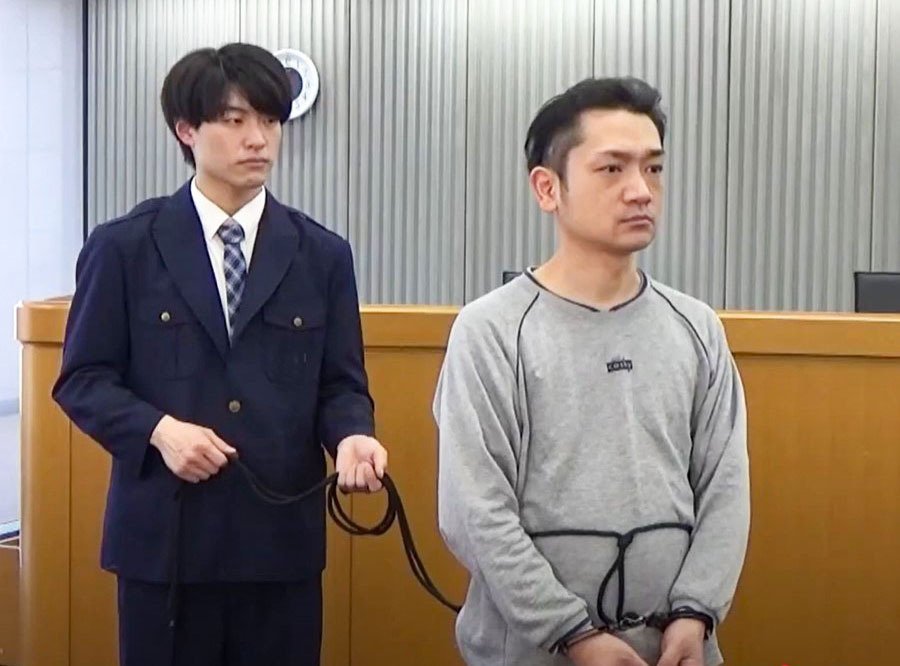
From a video produced by the Japan Federation of Bar Associations.
The Osaka Bar Association was the first to examine the issue, forming a special committee in 2017. Working with other legal groups, it began surveying defendants who had appeared in court while restrained. More than sixty per cent of those questioned said the experience made them feel as though they were already being treated as criminals. Kawasaki Maya, the committee's vice-chair, later reflected that lawyers who had chosen to overlook the practice shared part of the blame for allowing it to continue.
In 2019, the Osaka District Court heard a case brought by two former defendants who said they had suffered emotional distress after being led into court in handcuffs. The court agreed that people have a "legitimate expectation" not to be shown in restraints before the public and that this expectation "deserves legal protection." The ruling went further, suggesting practical steps such as removing handcuffs behind a screen or admitting the public only after the restraints have been removed.
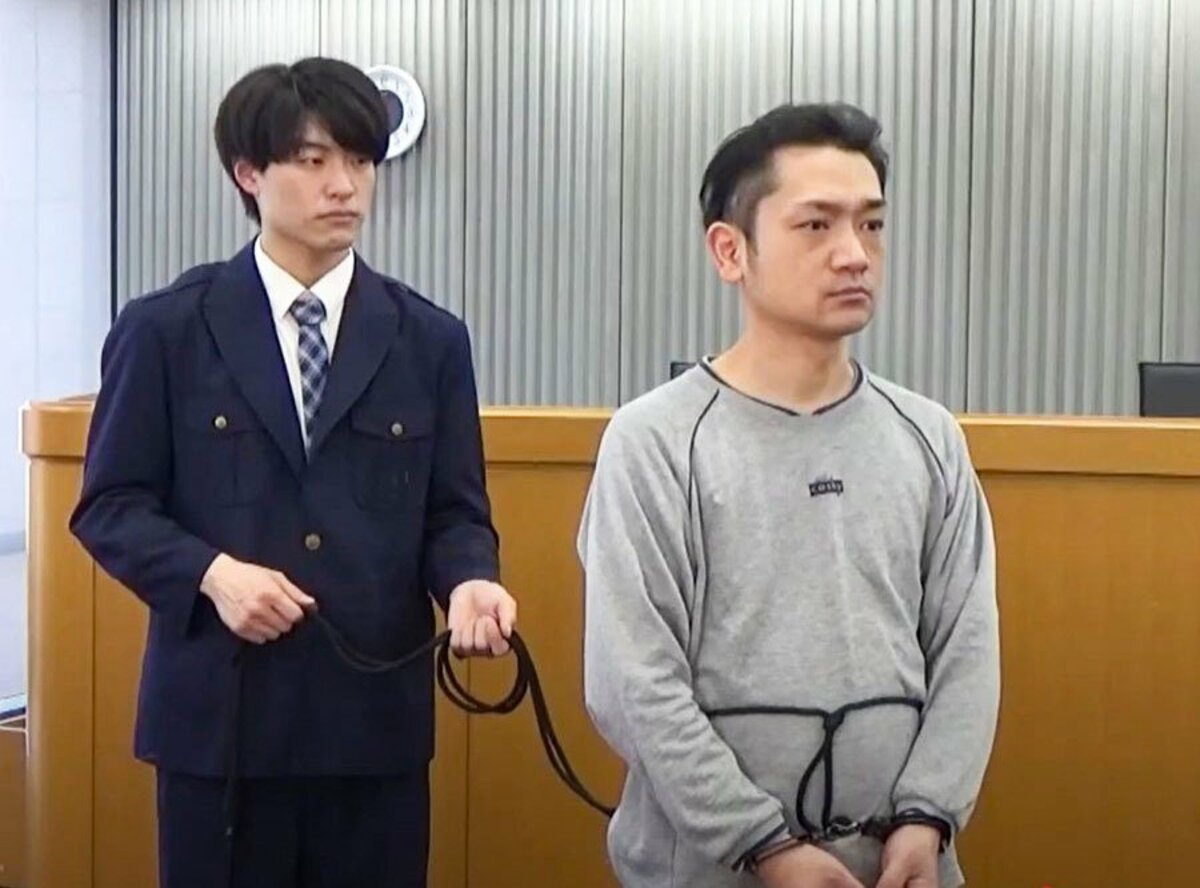
 english.kyodonews.net
Lawyers and human rights advocates have argued that restraining defendants in court undermines the very idea that a person is presumed innocent until proven guilty. By mid-October, the Japan Federation of Bar Associations (JFBA) and nine regional bar groups had already called for an end to the practice. The JFBA has now made the issue a matter of national concern, having passed a resolution a year earlier urging courts to prevent defendants from appearing in restraints before the public. One lawyer involved in the effort remarked that people are only now beginning to see the matter for what it truly is — a question of human rights.
From a video produced by the Japan Federation of Bar Associations.
Naoki Koyama experienced it firsthand. A former host club worker, Koyama was arrested in December 2023 and tried at the Nagoya District Court on charges of abandoning a corpse. He spent about 320 days in detention and was brought into court in handcuffs and a rope tied around his waist. "I hated being stared at," Koyama recalled. "I felt like I was being put on display." After he was released on bail during the trial, Koyama appeared in court without restraints. The difference was stark. "Even though I was still a defendant, I felt like I was finally standing on equal footing with the prosecutors," he said. In March 2025, Koyama was acquitted, and the ruling has since become final.
The Osaka Bar Association was the first to examine the issue, forming a special committee in 2017. Working with other legal groups, it began surveying defendants who had appeared in court while restrained. More than sixty per cent of those questioned said the experience made them feel as though they were already being treated as criminals. Kawasaki Maya, the committee's vice-chair, later reflected that lawyers who had chosen to overlook the practice shared part of the blame for allowing it to continue.
In 2019, the Osaka District Court heard a case brought by two former defendants who said they had suffered emotional distress after being led into court in handcuffs. The court agreed that people have a "legitimate expectation" not to be shown in restraints before the public and that this expectation "deserves legal protection." The ruling went further, suggesting practical steps such as removing handcuffs behind a screen or admitting the public only after the restraints have been removed.
FEATURE: Calls grow in Japan to stop shackling defendants in court
Handcuffed and bound with ropes around their waists, criminal defendants are routinely led into Japanese courtrooms while relatives and spectators look on. But what was once considered a normal procedure is drawing condemnation from critics calling it a violation of human rights.


