News Princess Yuriko, sister-in-law of Showa emperor, passes away at 101

thomas

Unswerving cyclist
Admin
Joined
14 Mar 2002
Messages
21,050
Reaction score
18,903
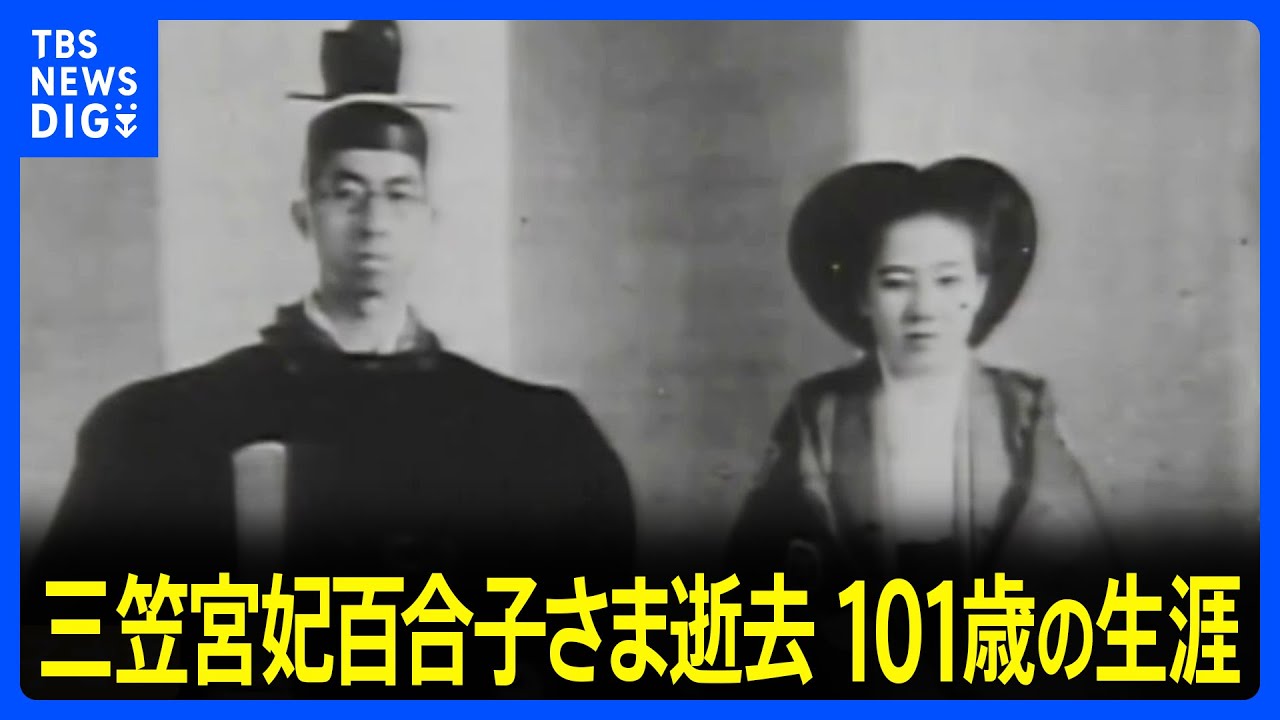
Yuriko, Princess Mikasa ( 崇仁親王妃百合子), the oldest member of the Japanese imperial family, passed away on Friday at the age of 101. Her health had been declining since the previous week. She had been hospitalized at St. Luke's International Hospital since early March after suffering a stroke and pneumonia. Recently, her heart, kidneys, and other organs have shown significant deterioration. Born into a prestigious family in 1923, she married Prince Mikasa at 18. Prince Mikasa was the younger brother of Emperor Showa, making Princess Yuriko the great-aunt of the current Emperor Naruhito.
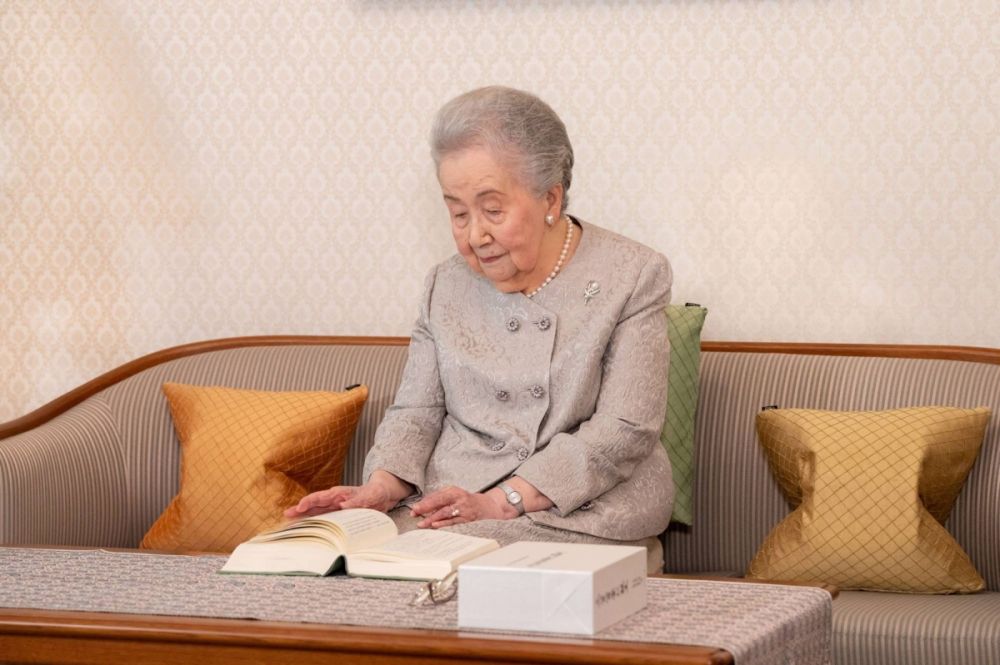

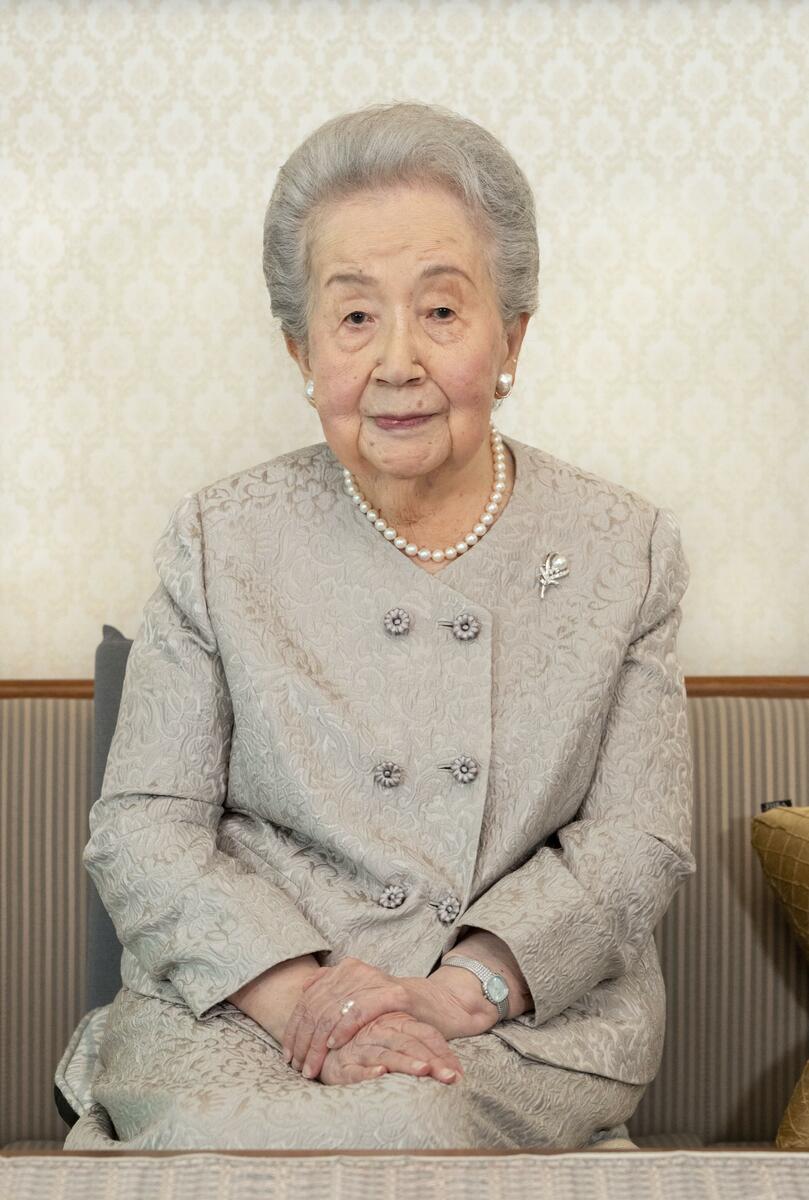
Yuriko, Princess Mikasa ( 崇仁親王妃百合子)

Princess Yuriko in May 2023 (photo credit: Imperial Household Agency)


Born in 1923 to an elite family, she joined the imperial family at age 18 when she married Prince Mikasa, the younger brother of former Emperor Hirohito — posthumously known as Emperor Showa — and is the great-aunt of current Emperor Naruhito. "Since her marriage, (Princess Yuriko) had supported Prince Mikasa, and, as a member of the imperial family, had contributed to a wide range of fields such as medical care, welfare, culture, sports and international friendships," Prime Minister Shigeru Ishiba said in a statement read out by Chief Cabinet Secretary Yoshimasa Hayashi. "In particular, she had been involved in the maternal and child care program for many years and had devoted herself to it." The princess had three sons and two daughters, but was predeceased by her husband and sons.


The Japanese government has allocated ¥325 million for the funeral of Princess Yuriko, who passed away on November 15th at the age of 101. This includes ¥202 million for the main funeral ceremony, "Renso-no-gi" (斂葬の儀), to be held at the Toshimagaoka cemetery on November 19th. The remaining funds will cover additional funeral expenses. Princess Yuriko, the great-aunt of Emperor Naruhito, will be interred alongside her late husband, Prince Mikasa, who died in 2016. No new tomb will be constructed.


But the total costs are up by about ¥59 million compared with those for the prince's funeral due to inflation and higher labour costs. It is customary to use government funds for the funerals of imperial family members, as their deaths are subject to national mourning, and the ceremonies are therefore of a public nature, according to the agency.


That seems like it is a bit high. It's hard to imagine the funeral expenses being that high.
 
I would think security and crowd control would be a big expense.

I'm not sure it's a public funeral. I reckon most "commoners" had no idea who she was.

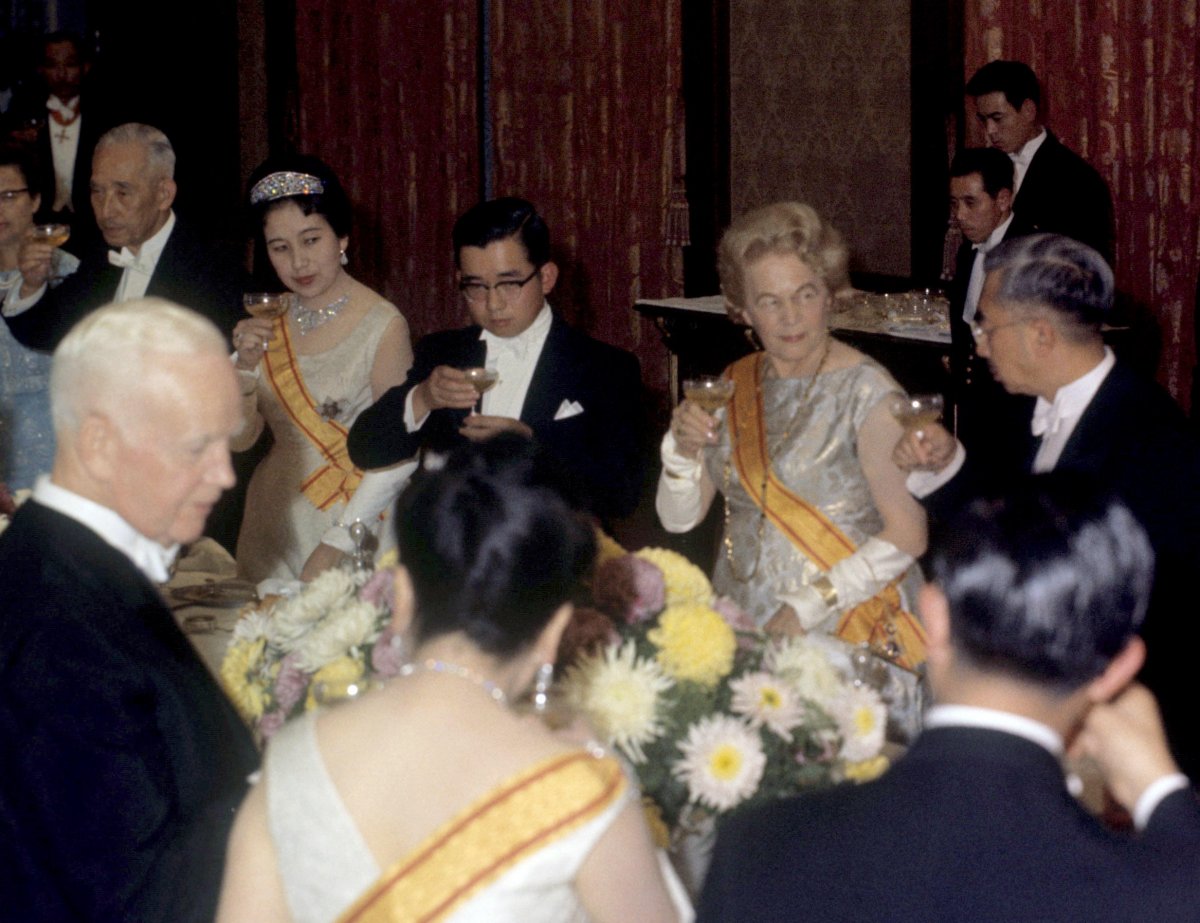
For those interested in royalty and Yuriko in particular, "The Court Jeweller" has an interesting piece on Princess Mikasa's tiaras:

Yuriko Tagaki leaves her family home en route to marry Prince Mikasa, the Emperor's youngest brother, in Tokyo on 22 October 1941


Document about a funeral service and the state funeral of the royalty after the Meiji era .
" 斂葬の儀(Rensounogi)" equal to the formal funeral of Prince Mikasa princess Yuriko who died at 101 years old was performed in Toshima Oka graveyard of Tokyo, Bunkyo-ku.


"斂葬(Rensou)" means that I hush up the deceased to graves. It is a ceremony equivalent to a general formal funeral at the funeral service of the Japanese royalty. I am comprised of "the matter of the funeral hall" equal to the funeral service and "the matter of the cemetery" equal to cinerarium, the burial. They are performed in conformity with Shinto courtesy as a ceremony of the Imperial Family, and the government allots public funds saying that they become a target of the national grief.

Breakdown of the general funeral service expense of Japan.
The mean funeral service expense exchange rate of 2024 is 1.185 million yen
A base rate: A complete set to hold the funeral service including use of funeral hall charges, cremation charges, altar, coffin, portrait of the deceased, conveyance costs.
Eating and drinking costs: Eating and drinking such as wake behavior, the end of maigre days.
Return favor product costs: The article of the thanks for the funeral offering.
The total sum of the funeral service expense: Total amount of money (donating property does not include it) of base rate, eating and drinking costs, return favor product costs
As the mean funeral service expense of 2013 is 2.029 million yen, it becomes cheaper year by year.
It is increase of 家族葬(Kazokusou) which people who were close to a relative and the deceased play a key role, and it sends that it is thought as a factor of the change of the funeral service expense.
 
Back
Top Bottom