


- 14 Mar 2002
- 21,051
- 18,903
Tensions between China and Japan following Prime Minister Sanae Takaichi's remarks in November about a possible Taiwan contingency appear to have done little to dampen enthusiasm among young Chinese fans of Japanese animation and video games, with long lines still forming outside character goods shops in major cities.
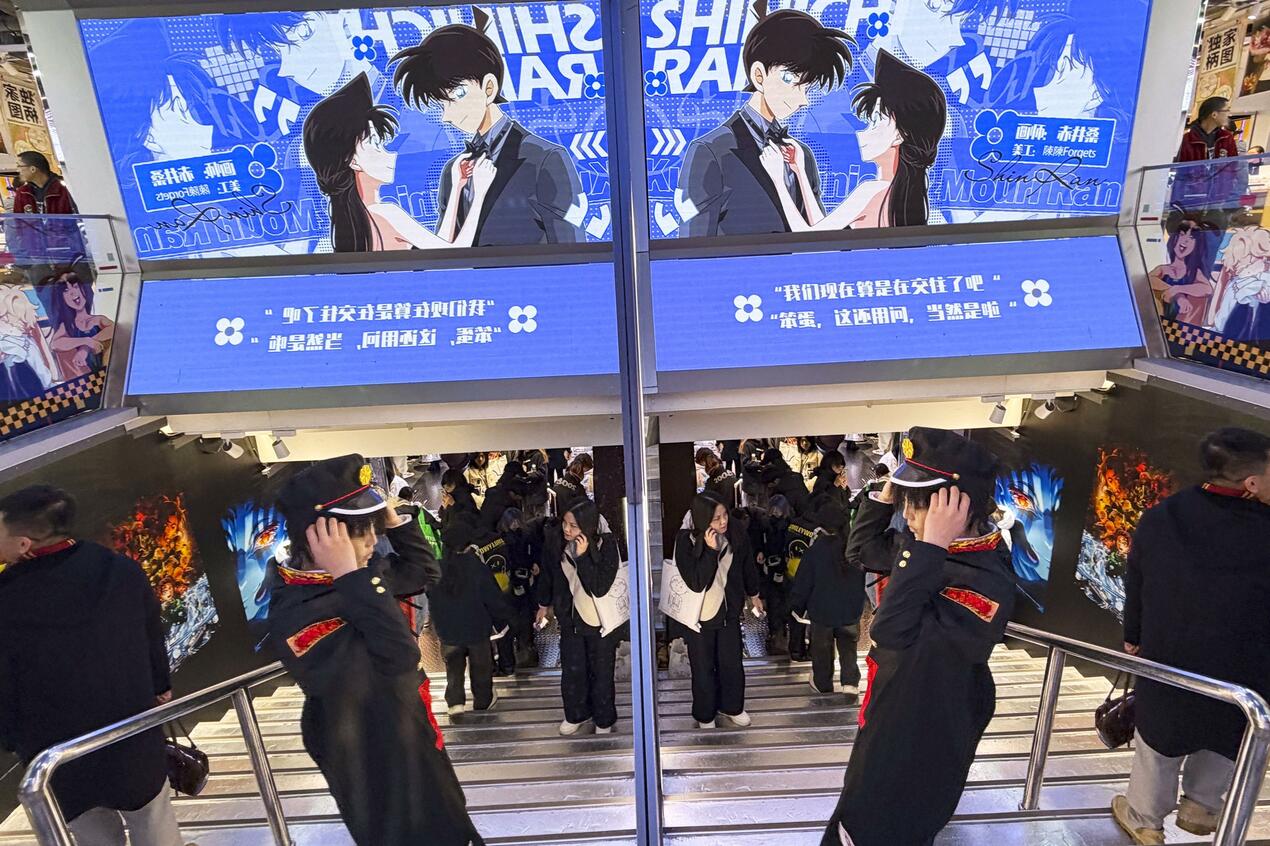
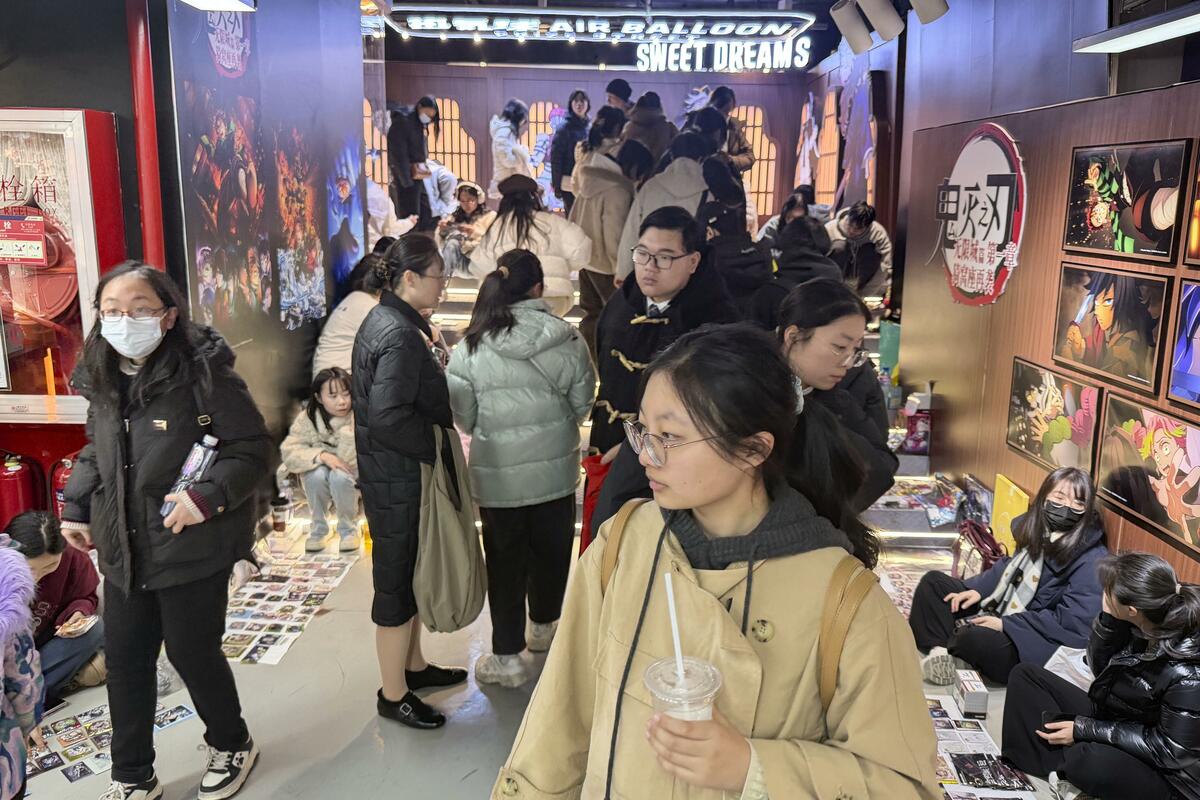
Demand for Japanese-origin anime and gaming culture in China — commonly referred to in Chinese as "erciyuan," or the "two-dimensional" sphere — has expanded rapidly. According to iiMedia Research, the market nearly doubled over the past five years, reaching 597.7 billion yuan (approximately $86 billion) in 2024, and is projected to further increase to 834.4 billion yuan by 2029. The appeal is often framed less in commercial than in personal terms. At a Shanghai shopping mall in late December, a 21-year-old university student dressed as the protagonist of the Japanese series Black Butler described fan activities as a form of spiritual fulfilment, adding that political frictions between the two countries had little bearing on her viewing habits, which continue largely through online streaming platforms.
 english.kyodonews.net
Demand for Japanese-origin anime and gaming culture in China — commonly referred to in Chinese as "erciyuan," or the "two-dimensional" sphere — has expanded rapidly. According to iiMedia Research, the market nearly doubled over the past five years, reaching 597.7 billion yuan (approximately $86 billion) in 2024, and is projected to further increase to 834.4 billion yuan by 2029. The appeal is often framed less in commercial than in personal terms. At a Shanghai shopping mall in late December, a 21-year-old university student dressed as the protagonist of the Japanese series Black Butler described fan activities as a form of spiritual fulfilment, adding that political frictions between the two countries had little bearing on her viewing habits, which continue largely through online streaming platforms.
However, an industry source implied such measures will have little effect as so many local Chinese companies are involved in the sale of Japanese intellectual property-related products, such as anime and games. Completely excluding the business could "deal a major blow to those Chinese firms," the source said, "(But) it's unrealistic (for them) to do that." While characters from Japanese anime such as "Haikyu!!" and "Jujutsu Kaisen" enjoy enduring popularity in the Chinese market, China is developing its own domestic character business with the aim of becoming a cultural powerhouse.
Popularity of Japan anime characters in China unaffected by strained ties
Strained Sino-Japanese relations over Prime Minister Sanae Takaichi's remarks in November on a Taiwan contingency seem to have had little effect on young Chinese lovers of Japanese animation and video games, with long queues formed at character goods shops in China.


