


- 14 Mar 2002
- 21,050
- 18,903
Deutsche Welle explores the Japanese paradox of a country with a shrinking population and workforce that still tries hard to limit immigration.
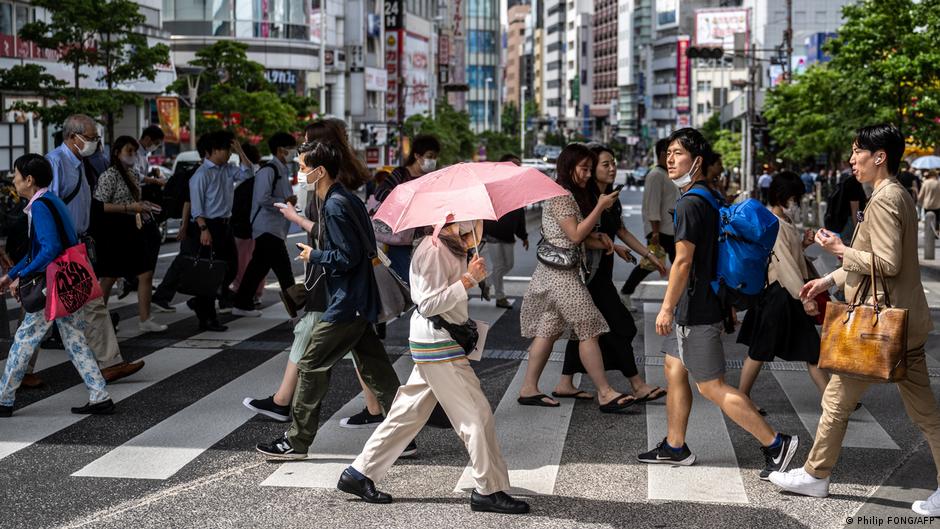
Growing public unease over immigration has added momentum to calls for stricter policies toward foreign residents. A Nikkei mail-in poll conducted between October and December 2025 found that 37% of respondents felt the growing number of foreigners in workplaces and local communities was undesirable, up 10% from 2024.
Some Japanese respondents told Deutsche Welle they felt coexistence with foreigners had expanded too quickly, without sufficient discussion of public safety and social norms. Others expressed concern that Japanese culture and identity were gradually being eroded. Foreign residents, meanwhile, said expectations varied by nationality, with Asians often expected to conform more closely to Japanese social norms.
 www.dw.com
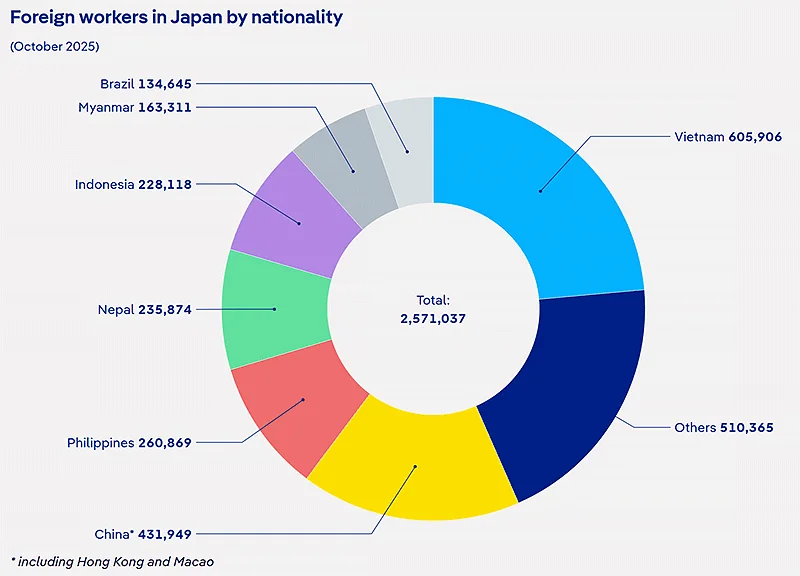
"I was shocked. It is too much to pay 100,000 yen to extend my visa every three years," said Srijana Sunar, a 29-year-old Nepali woman who has been working at factories in Japan since 2018. She earns 145,000 yen ($900/€790) per month. In late May, the Japanese government enacted a bill raising the maximum fee for changing residency status or extending a period of stay tenfold, from the current 10,000 yen to 100,000 yen, effective by the end of March 2027. Srijana's husband, Spandan Sunar, who has worked in Japan since 2016 at a transportation company and a Japanese-language school, told DW that his long-term efforts have "not been rewarded" by Japanese society. "We are not newcomers. We have proper visa status, we follow the rules, and we pay taxes, but our freedom to choose jobs and working conditions is very limited," he said in fluent Japanese. The young couple, who were married in Japan in 2022, hope to apply for permanent residency — but only if they can afford it. Under the same bill, the upper limit for permanent residency permit fees would be raised from 10,000 yen to 300,000 yen. This poses another major hurdle for the couple, as an annual individual income of more than 3 million yen is generally regarded by most applicants as a requirement for permanent residency.
Growing public unease over immigration has added momentum to calls for stricter policies toward foreign residents. A Nikkei mail-in poll conducted between October and December 2025 found that 37% of respondents felt the growing number of foreigners in workplaces and local communities was undesirable, up 10% from 2024.
Some Japanese respondents told Deutsche Welle they felt coexistence with foreigners had expanded too quickly, without sufficient discussion of public safety and social norms. Others expressed concern that Japanese culture and identity were gradually being eroded. Foreign residents, meanwhile, said expectations varied by nationality, with Asians often expected to conform more closely to Japanese social norms.
Japan needs more foreign workers, but many feel unwelcome
While Japan faces a deepening labor shortage and growing demand for foreign workers, it has been moving to tighten visa rules and regulations.
www.dw.com


