


- 14 Mar 2002
- 21,050
- 18,902
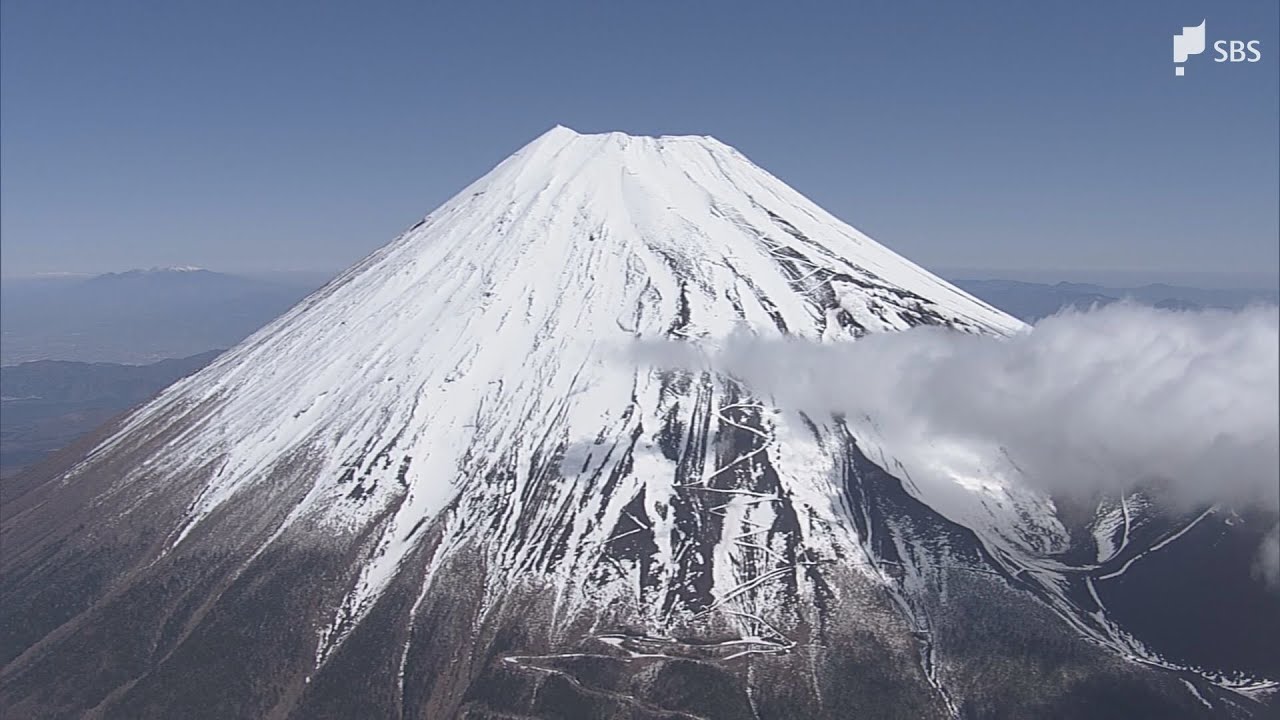
Shizuoka Prefecture has set up a working group to examine tougher, enforceable restrictions on climbing Mount Fuji during the off-season. The move follows a series of risky ascents during the mountain's winter closure, prompting local officials to call for stricter access controls and even a system that would require climbers to cover the cost of their own rescues.
Despite more than 20 days remaining before the official opening of the Fujinomiya Route, climbers were already making their way onto the mountain on 19 June. At the Fujinomiya Fifth Station that morning, several people were seen entering the mountain via a bulldozer road, even though the route remains closed for the winter season.
A record 3,623 people became stranded on mountains across Japan in 2025, according to NPA data released on Thursday. The figure included 246 foreign visitors, also the highest number on record. The total was up 266 from the previous year. The number of mountain rescue incidents rose to 3,122, an increase of 176 and the highest level since comparable statistics began in 1961.
Of those involved, 332 people died or remain missing, up 32 from a year earlier, while 1,480 suffered injuries, an increase of 90. Older climbers accounted for a large share of cases, with people aged 60 and above making up 47.6% of those stranded. Getting lost remained a major factor, accounting for 30.9% of incidents.

 mainichi.jp
Despite more than 20 days remaining before the official opening of the Fujinomiya Route, climbers were already making their way onto the mountain on 19 June. At the Fujinomiya Fifth Station that morning, several people were seen entering the mountain via a bulldozer road, even though the route remains closed for the winter season.
Mount Fuji during the closure period is dangerous because weather conditions are severe and mountain huts are not operating, yet people continue to become stranded after reckless climbs. According to prefectural police, 46 people were involved in mountain distress incidents during the closure periods over the five years from 2021 through 2025, with no sign that the situation is improving. The prefectural working group held its first meeting on June 19 to discuss ways to curb reckless off-season climbing. "It is necessary to consider this from a wide range of perspectives, so I hope to hear frank opinions today," said Fumihiko Oshima, a senior official in the prefecture's crisis management department.
Mount Fuji May Tighten Rules After Off-Season Rescue Surge
Shizuoka Prefecture has launched a working group to consider enforceable restrictions on off-season climbing of Mount Fuji, after a series of reckless ascents during the mountain’s closure period led local leaders to demand tighter entry controls and a system requiring climbers to pay rescue costs.
newsonjapan.com
A record 3,623 people became stranded on mountains across Japan in 2025, according to NPA data released on Thursday. The figure included 246 foreign visitors, also the highest number on record. The total was up 266 from the previous year. The number of mountain rescue incidents rose to 3,122, an increase of 176 and the highest level since comparable statistics began in 1961.
Of those involved, 332 people died or remain missing, up 32 from a year earlier, while 1,480 suffered injuries, an increase of 90. Older climbers accounted for a large share of cases, with people aged 60 and above making up 47.6% of those stranded. Getting lost remained a major factor, accounting for 30.9% of incidents.
The number of foreign visitors who were stranded rose by 111 from the previous year, the highest since the agency started recording comparable data in 2018. The cases involved were 174, up 75. Of those foreign visitors stranded, 203, or 80 percent, were backcountry skiers or climbers. By prefecture, Nagano in central Japan had the largest number of cases of people stranded at 358, followed by Hokkaido at 199 and Yamanashi at 192.
Record 3,623 people stranded on Japan mountains in 2025 - The Mainichi
TOKYO (Kyodo) -- The number of people who got stranded on mountains in Japan hit a record of 3,623 in 2025, police data showed Thursday, including 246


