


- 14 Mar 2002
- 21,056
- 18,911
Japan boasts a staggering 4,500 museums, offering an unparalleled diversity of exhibits. From traditional art and history to niche interests like railways and bonsai, there's something to captivate every visitor. The country even houses quirky attractions such as the Sand Museum in Tottori and the Cup Noodles Museum in Yokohama, with the highly anticipated Nintendo Museum opening in Kyoto .
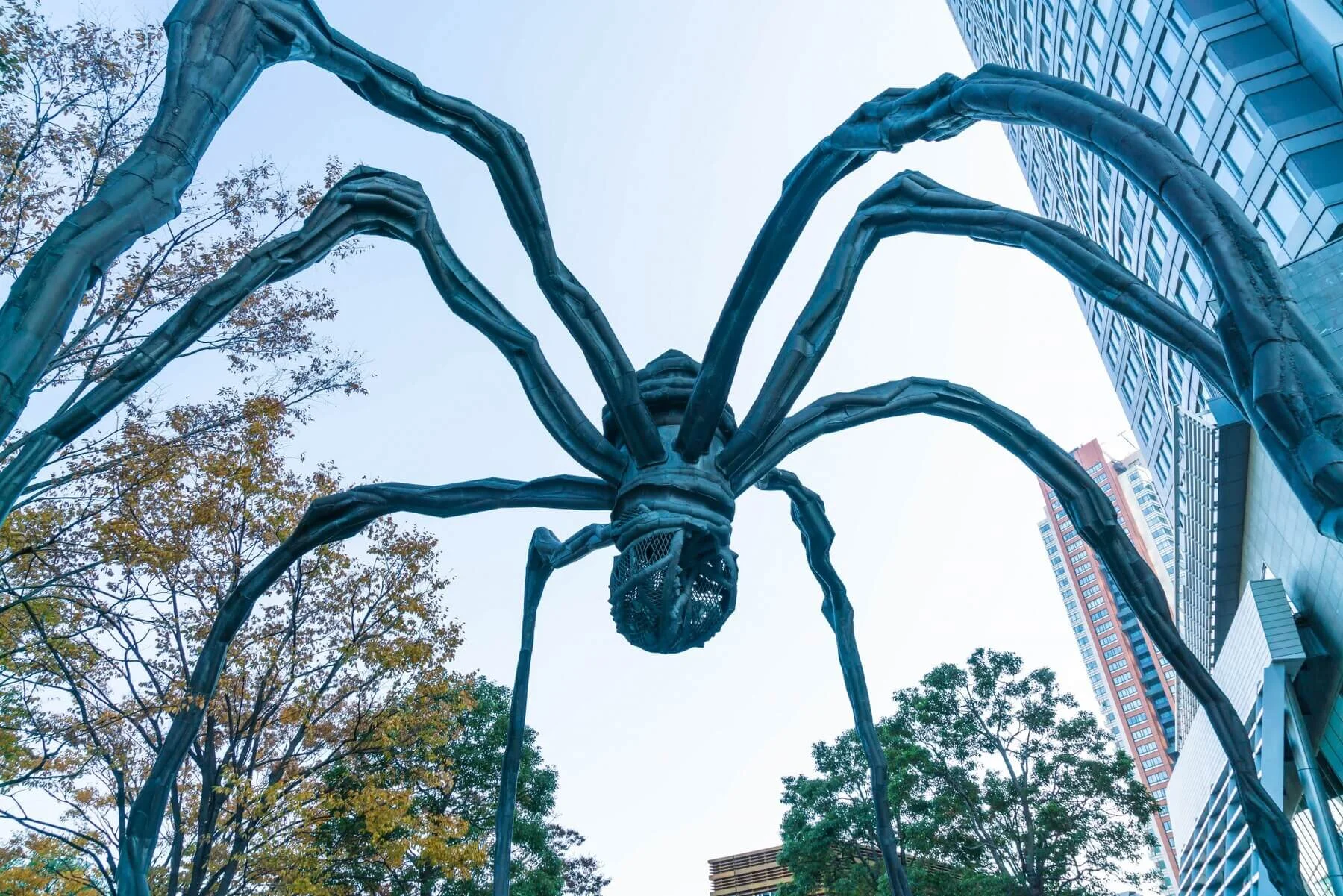
Japan boasts a rich tapestry of museums, offering everything from traditional art to quirky, niche exhibits. Despite a record-breaking influx of tourists, these cultural institutions face a severe financial crisis. Soaring costs such as building maintenance, staff salaries, and exhibit development are squeezing museum budgets. Additionally, the price of acquiring new collections has skyrocketed, making it increasingly challenging to refresh exhibits and attract visitors. While tourism numbers have surged, the revenue generated from ticket sales often falls short of covering these expenses. Many museums rely heavily on government subsidies and private donations, which have stagnated or decreased recently.
To survive, museums are adopting innovative strategies. Some focus on digitalization, creating online exhibits and virtual tours to reach a wider audience. Others are partnering with private companies for sponsorships and collaborative exhibits. A growing trend is transforming museums into experiential spaces offering workshops, cafes, and retail shops to boost visitor spending. However, these measures are often costly and time-consuming, making it a challenging path for many institutions. Would you like to delve deeper into specific examples of struggling museums or those that have successfully implemented new strategies?

 www.channelnewsasia.com
Japan boasts a rich tapestry of museums, offering everything from traditional art to quirky, niche exhibits. Despite a record-breaking influx of tourists, these cultural institutions face a severe financial crisis. Soaring costs such as building maintenance, staff salaries, and exhibit development are squeezing museum budgets. Additionally, the price of acquiring new collections has skyrocketed, making it increasingly challenging to refresh exhibits and attract visitors. While tourism numbers have surged, the revenue generated from ticket sales often falls short of covering these expenses. Many museums rely heavily on government subsidies and private donations, which have stagnated or decreased recently.
To survive, museums are adopting innovative strategies. Some focus on digitalization, creating online exhibits and virtual tours to reach a wider audience. Others are partnering with private companies for sponsorships and collaborative exhibits. A growing trend is transforming museums into experiential spaces offering workshops, cafes, and retail shops to boost visitor spending. However, these measures are often costly and time-consuming, making it a challenging path for many institutions. Would you like to delve deeper into specific examples of struggling museums or those that have successfully implemented new strategies?
About 69 per cent of Japan's museums are national- or public-run, and they receive some amount of funding from the government. Still, the fallout of low ticket sales over the pandemic, rising expenses like utility and manpower bills, and the shadow of subsidy cuts, are posing challenges amid an economic slump. This has prompted museums to seek other sources of support. Even revered institutions like the National Museum of Nature and Science are turning to crowdfunding. "The business model of running a museum never makes profit. For privately-funded museums, they could form as a non-profit organisation (for tax breaks), like a public foundation," Kataoka said. The Artizon Museum, for example, is owned and managed by the Ishibashi Foundation, which is recognised by the Japanese government as a public interest corporation focused on cultural activities.
Donations make up less than 7 per cent of museums' income in Japan, according to the Cultural Affairs Agency. The amount is in stark contrast to donations elsewhere – such as in the United States, where they can amount to up to 38 per cent.
Japan’s museums struggle with shrinking revenue despite record tourism boom
Amid rising expenses and subsidy cuts, some museums have turned to crowdfunding to keep their doors open.


