Business Japanese high-tech toilet seats gain traction in the US

thomas

Unswerving cyclist
Admin
Joined
14 Mar 2002
Messages
21,050
Reaction score
18,903
After years of slow adoption, Japanese high-tech toilets finally gained ground in the US. The reason is that more US tourists visit Japan and social media:
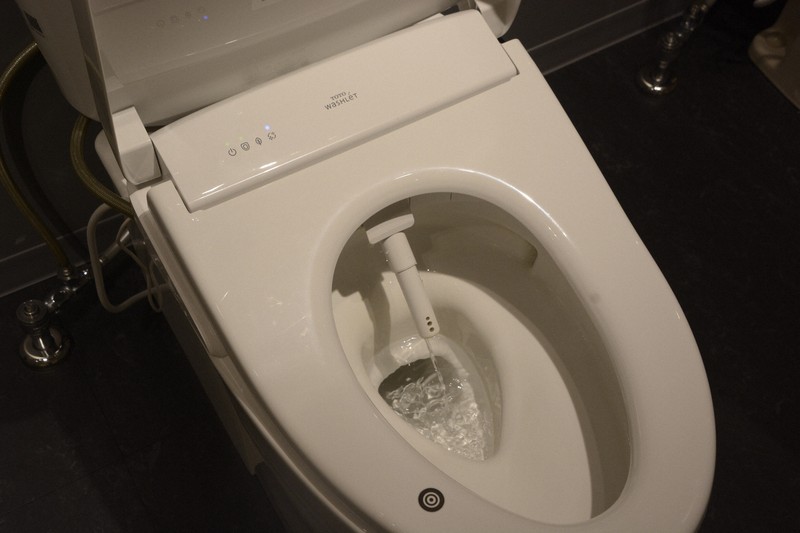
Japanese high-tech toilet

To increase presence in stores, Toto also commenced sales at major retail chain Costco in 2019, with their products placed in prominent spots on shelf corners. By building a strong distribution network across the U.S. through major retailers, the Washlet gained significant attention during the COVID-19 pandemic when outings were restricted and toilet paper was in short supply. Toto is now focusing on its after-sales service network in the U.S. Showrooms are being set up in cities with populations of around 300,000, staffed with personnel to handle repairs. By the end of 2026, this system will be in place nationwide, with plans to subsequently expand to urban areas with populations of around 100,000, Tamura said. By broadening customer interactions and ensuring that service personnel visit within three days of a toilet issue, Toto aims to differentiate itself from competitors.

 
More news from the toilet front (I think this was mentioned in another thread a few months ago):

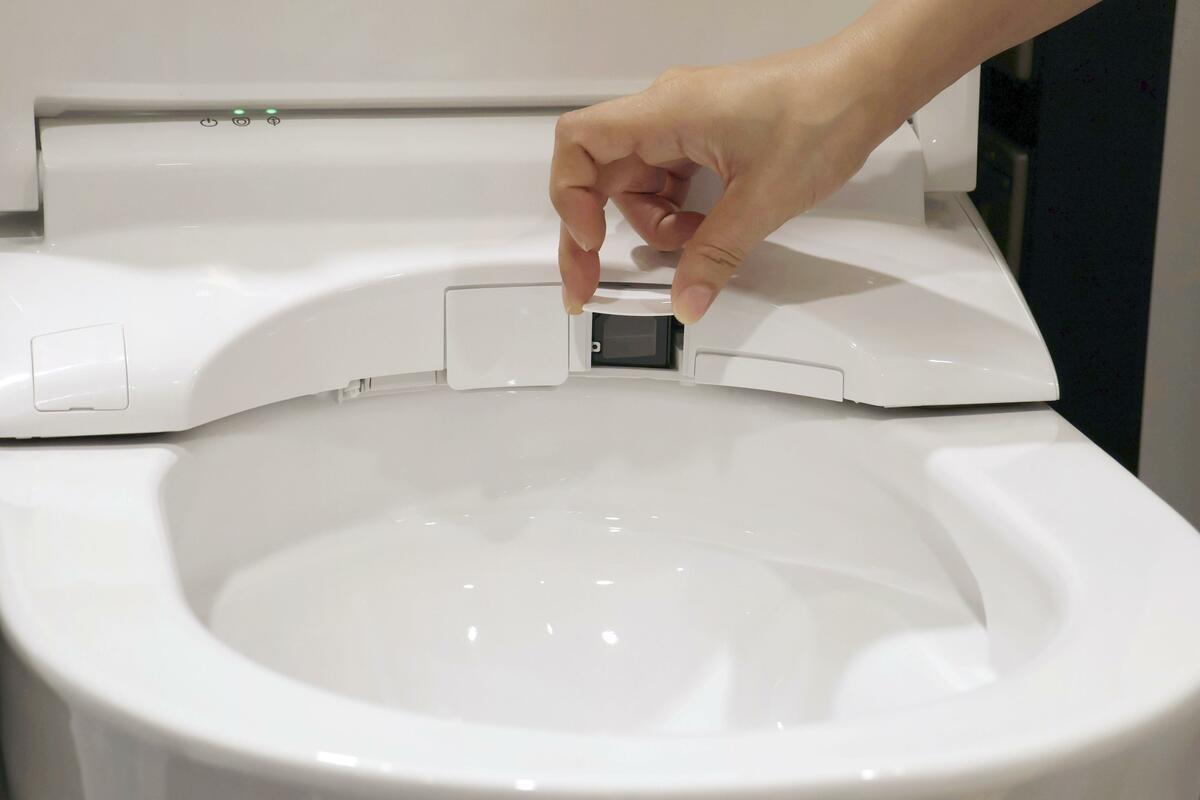
In August, Toto Ltd. introduced two new models in its high-end Neorest range, featuring a sensor module built into the toilet bowl. Using an LED-equipped device, the system scans waste to assess its shape, volume and colour.

Toto Ltd. toilet equipped with a stool scan sensor

Toto Ltd. toilet equipped with a stool scan sensor (Toto via Kyodo).


The toilets are the first of their kind designed for home use in Japan. They sort stool shape and firmness into seven categories, while volume and colour are each logged on three levels. The data can be checked through a smartphone app, which also offers basic dietary guidance based on the results, such as suggestions to eat more vegetables. The idea behind the product is to link daily toilet use more closely with personal health awareness. Separately, Panasonic Corp. has developed a device called Toirepo for use in nursing-care facilities. It uses a sensor attached to the toilet to record when residents use it, how often, and the volume involved.

As conventional self-checks can be unpleasant for both facility residents and staff, the new device has been well-received, it said. Japan's toilet industry is known for developing a variety of products to meet changing social needs, such as bidet toilets focused on cleanliness and comfort after western-style lavatories became mainstream in the country, followed by water-saving designs as environmental awareness grew later.

 
The story that "Roki Sasaki strongly demanded the installation of washlet toilets (Japanese-style bidet seats) at the stadium and clubhouse as a condition for joining the Los Angeles Dodgers" has been circulating and drawing attention in some circles.

According to a report by Nikkan Sports, the Dodgers' president recalled the contract negotiations with Sasaki at a talk event and said that Sasaki asked whether the clubhouse, which was undergoing renovations, would have toilets equipped with bidet seats. As a result, it was said that the team decided to replace all the toilets in the clubhouse with washlet-style bidet toilets.

At least at baseball facilities in Los Angeles, washlet toilets now seem to have become more common.

Washlet toilets are that essential to everyday life for Japanese people.
 
We've had a squirty bidet toilet for quite a long time, although it's only plumbed into the cold water supply in keeping with my 'bushi training' 🥶💦🍩 Many of my British friends are horrified by the idea but I ask, if they were cleaning up after their dog and got some poop on the back of their hand, would they simply wipe it off with a tissue? No, of course not? Running water perhaps? Soap water and a scrubbing brush? They get the message.
 
More news from the toilet front (I think this was mentioned in another thread a few months ago):

In August, Toto Ltd. introduced two new models in its high-end Neorest range, featuring a sensor module built into the toilet bowl. Using an LED-equipped device, the system scans waste to assess its shape, volume and colour.

View attachment 134625
Toto Ltd. toilet equipped with a stool scan sensor (Toto via Kyodo).


The toilets are the first of their kind designed for home use in Japan. They sort stool shape and firmness into seven categories, while volume and colour are each logged on three levels. The data can be checked through a smartphone app, which also offers basic dietary guidance based on the results, such as suggestions to eat more vegetables. The idea behind the product is to link daily toilet use more closely with personal health awareness. Separately, Panasonic Corp. has developed a device called Toirepo for use in nursing-care facilities. It uses a sensor attached to the toilet to record when residents use it, how often, and the volume involved.


I wonder it uses this in its assessment?
IMG_4739.webp
 
Back
Top Bottom