Question Ideas anyone?

karenk

Sempai
Joined
3 Apr 2014
Messages
430
Reaction score
20
Hi, could anyone help me figuring out what 若い女が二人して淨瑠璃でも語つてゐる in the passage below? Does it mean that the actress is interpreting two roles in the play that she is reciting or that she is seem as two people because the curtains are going up and down? Or is it something completely different? Thank you!

二人は人に押返されながら神社の中へ入つて行つた。赤い椀を山に盛つた汁粉の出店の前から横に入ると、四十位の色の黒い女が腕捲(まく)りをして大きな聲で人を呼んでる見世物小屋の前に出た。幕が垂れたり上つたりしてゐる前に立つて中を覗くと、肩衣(かたぎぬ)をつけた若い女が二人して淨瑠璃でも語つてゐる樣な風をしてゐる半身が見えた。その片々の女は目の覺めるほど美しい女であつた。薄暗い小屋の中から群集の方へ時々投げる眼に、瞳子(ひとみ)の流れるやうなたつぷりした表情が動いてゐた。艶もなく胡粉(ごふん)のやうに眞つ白に塗りつけたおしろいが、派出な友禪の着物の胸元に惡毒(あくど)い色彩を調和させて、猶一層この女を奇麗に見せてゐた。鼻が眞つ直ぐに高くて口許がぽつつりと小さかつた。
 
This is what a general AI thinks about it. I'm curious if it's correct. Let's see what @Toritoribe says.

===
The passage you provided is from a short story called "Sagaki" by Yumeji Takehisa, a Japanese painter and writer. The sentence "若い女が二人して淨瑠璃でも語つてゐる" means "two young women are talking as if they are performing jōruri". Jōruri is a form of traditional Japanese narrative music that accompanies puppet theater. The sentence implies that the women are speaking in a dramatic and exaggerated manner. The old-fashioned spelling of "語つてゐる" is equivalent to modern "語っている".
 
This is what a general AI thinks about it. I'm curious if it's correct. Let's see what @Toritoribe says.

===
The passage you provided is from a short story called "Sagaki" by Yumeji Takehisa, a Japanese painter and writer. The sentence "若い女が二人して淨瑠璃でも語つてゐる" means "two young women are talking as if they are performing jōruri". Jōruri is a form of traditional Japanese narrative music that accompanies puppet theater. The sentence implies that the women are speaking in a dramatic and exaggerated manner. The old-fashioned spelling of "語つてゐる" is equivalent to modern "語っている".
Yes, this was my first guess, but reading further, it seems that there is just one woman on the stage/behind the curtain, she is supposed to be a rokuro-kubi, somekind of yôkai with a long neck...
 
Yes, this was my first guess, but reading further, it seems that there is just one woman on the stage/behind the curtain, she is supposed to be a rokuro-kubi, somekind of yôkai with a long neck...
Could she be playing dual roles than? One in human form and one in yokai form and having dialog with herself?
 
The excerpt is from 木乃伊の口紅 by 田村俊子, not 砂がき by 竹久夢二. Also, the reading of 砂がき is "Sunagaki", not "Sagaki".
田村俊子 木乃伊の口紅
竹久夢二 砂がき

若い女が二人して淨瑠璃でも語つてゐる樣な風をしてゐる means "two young women look like they are performing jōruri or something", not "two young women are talking as if they are performing jōruri". 淨瑠璃 doesn't refer to 人形浄瑠璃 here. There is no doll. They are just telling/singing a story.

その片の女 must be a misreading (or miswriting of the writer herself) of 片方.

Yes, this was my first guess, but reading further, it seems that there is just one woman on the stage/behind the curtain, she is supposed to be a rokuro-kubi, somekind of yôkai with a long neck...
上の看板に、肩衣をつけた女の身體からによろ/\と拔け出した島田の女の首が人の群集を見下してゐる樣な繪がかいてあつた。

ろくろ首 is a picture painted on the sign board. There are two women on the stage.
 
The excerpt is from 木乃伊の口紅 by 田村俊子, not 砂がき by 竹久夢二. Also, the reading of 砂がき is "Sunagaki", not "Sagaki".
田村俊子 木乃伊の口紅
竹久夢二 砂がき

若い女が二人して淨瑠璃でも語つてゐる樣な風をしてゐる means "two young women look like they are performing jōruri or something", not "two young women are talking as if they are performing jōruri". 淨瑠璃 doesn't refer to 人形浄瑠璃 here. There is no doll. They are just telling/singing a story.

その片の女 must be a misreading (or miswriting of the writer herself) of 片方.


上の看板に、肩衣をつけた女の身體からによろ/\と拔け出した島田の女の首が人の群集を見下してゐる樣な繪がかいてあつた。

ろくろ首 is a picture painted on the sign board. There are two women on the stage.

Thank you for the explanation and clarification, as usual, Tori! I thought that the picture was supposed to represent what was being performed inside and the the woman was supposed to be the performer of the rokuro-kubi painted on the board because I read somewhere that it was a common feature of these 見世物小屋

I forgot to mention that the AI had guessed the author wrong.
 
Last edited:
I have another question, does 鬼灯提燈 mean that the lantern was actually made with the 鬼灯 (physalis), if that is even possible, or that it resembled it?

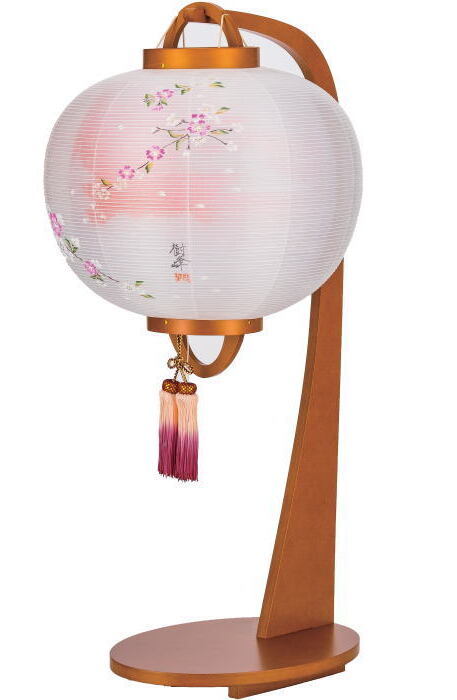
二人は三河島の方を見晴らした崖の掛茶屋の前に廻つて來た。葭簀(よしず)を張りまわした軒並びに鬼灯(ほゝづき)提燈が下がつて、サイダーの瓶の硝子や掻きかけの氷の上にその灯の色をうつしてゐた。
 
I thought that the picture was supposed to represent what was being performed inside and the the woman was supposed to be the performer of the rokuro-kubi painted on the board because I read somewhere that it was a common feature of these 見世物小屋
Yes, your interpretation is correct. One of the two women is, or they both are ろくろ首. Later, her neck/their necks will become longer (probably suddenly). The picture might be a single woman, though.

I have another question, does 鬼灯提燈 mean that the lantern was actually made with the 鬼灯 (physalis), if that is even possible, or that it resembled it?
It's the latter; a lantern that resembles physalis.

 
Hi, how would you interpret 眼ばかりの below? Would it suggest that Minoru could guess that that was the mummy of a woman by the looks of it? Or that the mummy had eyes like a wooden doll? Thank you!

男の木乃伊と女の木乃伊が、お精靈(しやうらい)樣の茄子の馬の樣な格好をして、上と下とに重なり合つてゐた。その色が鼠色だつた。さうして木偶(でく)見たいな、眼ばかりの女の顏が上に向いてゐた。その唇がまざ/\と眞つ赤な色をしてゐた。それが大きな硝子箱の中に入つてゐるのを傍に立つてみのるが眺めてゐた夢であつた。自分はそれが何なのか知らなかつたのだが、誰だか木乃伊だと教へた樣な氣がした。
 
Hi! Does あくがれ, as in あくがれ小説 below, comes from the verb 憧れる? Meaning "novels that enraptured the hearts of the young people" or something like that? (It is from a short story by Tayama Katai.) Thank you!

若い時分、盛んにいわゆる少女小説を書いて、一時はずいぶん青年を魅せしめたものだが、観察も思想もないあくがれ小説がそういつまで人に飽きられずにいることができよう。ついにはこの男と少女ということが文壇の笑い草の種となって、書く小説も文章も皆笑い声の中に没却されてしまった。
 
Hi, Tori! Could 七分 refer to an angle? I'm unable to visualize where the man is suppose to seat in order to watch the woman. Thank you!

誰だか言った、電車で女を見るのは正面ではあまりまばゆくっていけない、そうかと言って、あまり離れてもきわだって人に怪しまれる恐れがある、七分くらいに斜(はす)に対して座を占めるのが一番便利だと。
 
I think 七分くらいに斜 would mean approximately 70% diagonal, i.e., 60 degrees or so right or left from the right in front of a girl/woman.
 
I think 七分くらいに斜 would mean approximately 70% diagonal, i.e., 60 degrees or so right or left from the right in front of a girl/woman.
Thank you, Tori! That was my guess, but it isn't usual to use this expression, is it?
 
Yeah, I've never heard this expression, but it wouldn't be so hard to interpret the meaning, I think.
 
Back
Top Bottom