


- 14 Mar 2002
- 21,050
- 18,903
An NHK feature on Japan's giant Kannon statues dotting the Japanese countryside. Built in the Bubble Era and donated to municipalities, many are now falling into disrepair, further burdening local communities.
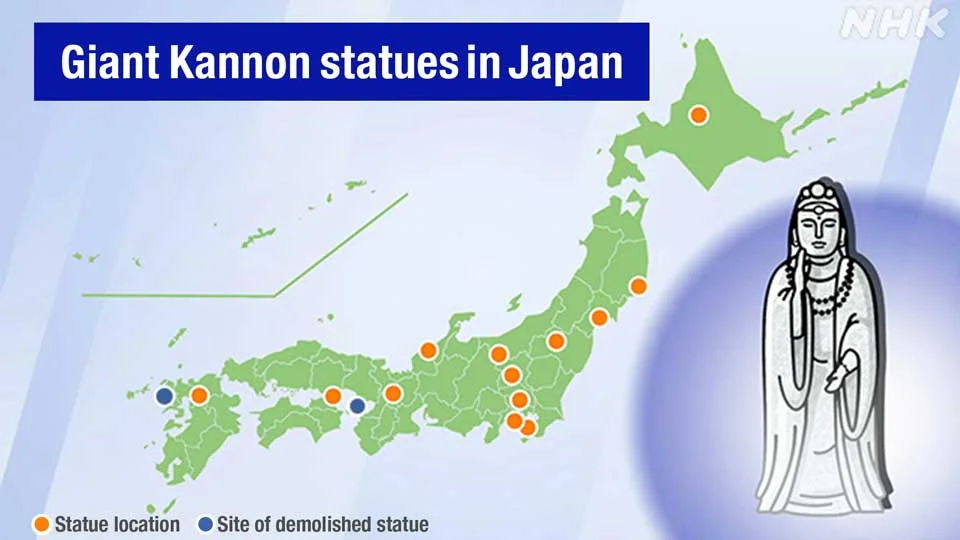
Photo credit: NHK
The demolition of the World Peace Dai-Kannon in Ishikawa cost some 900 m JPY.

 www3.nhk.or.jp
Find more information on the largest (historical) Buddha statues and some of the concrete Kannon monuments here:
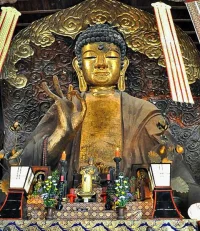
Photo credit: NHK
"At first, giant Kannon statues were built to console the souls of the war dead and promote faith," notes Tsugawa. "But those built by businesspeople during the 1980s were about being bigger and taller. They were passionate about the construction and didn't think about the future." Tsugawa says statues are expensive to maintain and dismantle. Unless they have a strong spiritual meaning, local communities' connections with the landmarks will eventually fade.
The demolition of the World Peace Dai-Kannon in Ishikawa cost some 900 m JPY.
The World Peace Dai-Kannon statue was built by a real estate tycoon on Awaji Island in Hyogo Prefecture, western Japan, in 1982. It was 100 meters tall, including the pedestal upon which it stood. After he and his wife died, the structure and its facilities were closed and abandoned. The statue became a hazard as its interior ceiling and outer layers fell apart. The government took action in 2020 in a complicated process. The Kinki Local Finance Bureau nationalized the statue based on a legal provision for assets with no heirs. The bureau then demolished and removed the statue at a cost of around 900 million yen.
Giant Kannon statues fall into disrepair | NHK WORLD-JAPAN News
Many of the giant Kannon statues representing mercy and compassion that dot the Japanese landscape are causing problems as they fall into disrepair.
www3.nhk.or.jp
Find more information on the largest (historical) Buddha statues and some of the concrete Kannon monuments here:
Thirteen Great Buddha Statues in Japan
Buddhism arrived in Japan in the 6th century, in either 538 or 552 CE, on a journey from India that took several centuries. The king of Paekche, one of three Korean kingdoms, sent one of his sons to the Emperor of Japan. The mission presented an image of Buddha, several sutras, and other...
- thomas
- 5.00 star(s) 1 ratings
- Category: Culture
- Blog: Japanese Culture


