


- 14 Mar 2002
- 21,050
- 18,903
Yeah, don't expect too much:
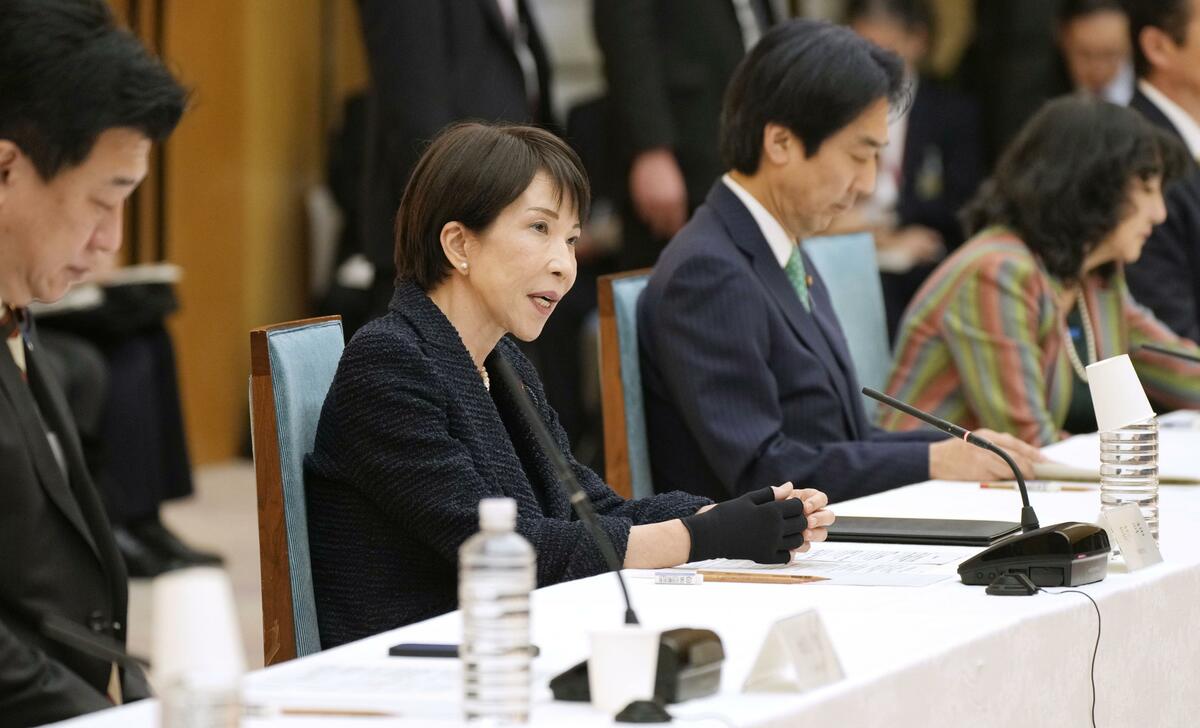
PM Takaichi plans to suspend Japan's consumption tax on food to ease inflationary pressure, though some economists question whether the move would lower consumer prices. Analysts point to overseas examples suggesting tax cuts do not always translate into lower retail prices. Some businesses that have absorbed higher import costs linked to the weak yen may instead use the suspension to raise prices they had previously held back. After its landslide victory in the 8 February general election, the ruling coalition is seeking to remove the current 8% tax on food for two years.
Cross-party discussions began on Friday to work out the details of the proposal. Takaichi aims to submit legislation as early as this autumn to implement the measure. Japan raised the overall consumption tax to 10% in 2019 while keeping food at a reduced 8% rate. A government survey that year found that prices increased for 31 of 40 items surveyed, including goods subject to the lower rate.
 english.kyodonews.net
In related news, Kyodo won the contest for Weirdest Headline (below reprinted by Mainichi).
So the prices of only 684 products will increase in March. Pop the champagne bottles.

 mainichi.jp
PM Takaichi plans to suspend Japan's consumption tax on food to ease inflationary pressure, though some economists question whether the move would lower consumer prices. Analysts point to overseas examples suggesting tax cuts do not always translate into lower retail prices. Some businesses that have absorbed higher import costs linked to the weak yen may instead use the suspension to raise prices they had previously held back. After its landslide victory in the 8 February general election, the ruling coalition is seeking to remove the current 8% tax on food for two years.
Cross-party discussions began on Friday to work out the details of the proposal. Takaichi aims to submit legislation as early as this autumn to implement the measure. Japan raised the overall consumption tax to 10% in 2019 while keeping food at a reduced 8% rate. A government survey that year found that prices increased for 31 of 40 items surveyed, including goods subject to the lower rate.
Previous tax cuts overseas may offer some lessons for Japan, according to experts. A 14 percentage point cut in value-added tax for hairdressing services in Finland had only a limited impact between 2007 and 2011, while the suspension of Argentina's 21 percent tax on food products led to an average price drop of 10 percent. In Portugal, however, the suspension in 2023 of 6 percent tax on some food products was directly reflected in retail prices, according to the experts. Makoto Hasegawa, an associate professor of finance at Kyoto University, said prices in Portugal were already deflationary at the stage of production and businesses were facing pressure from consumer groups and the media to lower prices. It remains unclear whether Japan will also see similar results if the tax suspension is implemented, according to Hasegawa.
Japan's consumption tax suspension may not result in lower food prices
Prime Minister Sanae Takaichi aims to suspend the country's consumption tax on food to alleviate the pain of persistent inflation, but some experts, drawing on overseas precedents, are questioning whether it will substantially reduce consumer prices.
In related news, Kyodo won the contest for Weirdest Headline (below reprinted by Mainichi).
No. of price hikes among food items in Japan to fall 70% in March to 684 items
So the prices of only 684 products will increase in March. Pop the champagne bottles.
Price hikes for food and beverage items in March will total 684 products, down 70%from a year earlier, a sign that food prices are rising more slowly though the weak yen could still push them up, a research institute said Friday.
No. of price hikes among food items in Japan to fall 70% in March to 684 items - The Mainichi
TOKYO (Kyodo) -- Price hikes for food and beverage items in March will total 684 products, down 70 percent from a year earlier, a sign that food price


