


- 14 Mar 2002
- 21,050
- 18,903
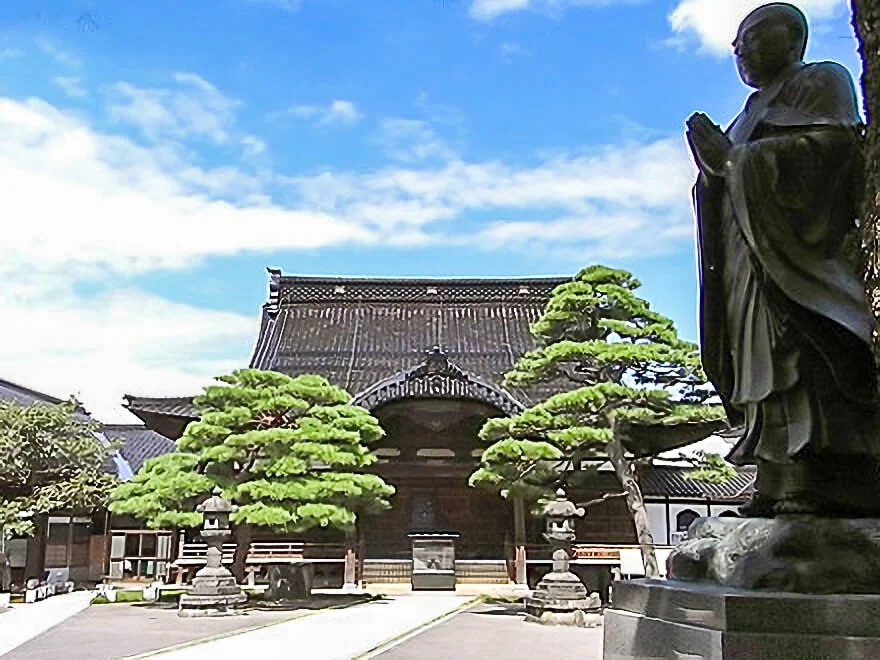
A fire broke out on Saturday evening at Daihōji Temple (大法寺) in Takaoka, Toyama Prefecture, a temple dating back to the Muromachi period . Flames and thick black smoke poured from the roof as the blaze continued for nearly 9 hours. Police and fire officials said a nearby resident contacted emergency services at around 6:45 p.m. on 16 May after noticing smoke and flames coming from the temple roof in Takaoka City.
The fire was finally brought under control around eight hours and 40 minutes later. Four people were living on the temple grounds at the time, but all managed to escape without injuries. Authorities believe the fire may also have spread to several nearby buildings. Police and firefighters are still investigating how the fire started and the full extent of the damage.
The fire caused extensive damage to the hondō (本堂), or main hall, the kuri (庫裏), the priest's living quarters, and several related structures. Given Daihōji's long history and its role within the cultural and religious history of Toyama Prefecture, the fire attracted considerable public attention across Japan.

The fire was finally brought under control around eight hours and 40 minutes later. Four people were living on the temple grounds at the time, but all managed to escape without injuries. Authorities believe the fire may also have spread to several nearby buildings. Police and firefighters are still investigating how the fire started and the full extent of the damage.
The fire caused extensive damage to the hondō (本堂), or main hall, the kuri (庫裏), the priest's living quarters, and several related structures. Given Daihōji's long history and its role within the cultural and religious history of Toyama Prefecture, the fire attracted considerable public attention across Japan.
Fire Breaks Out at Muromachi-Era Daihoji Temple
A fire broke out Saturday night at a temple in Takaoka, Toyama Prefecture, that dates back to the Muromachi period, with flames and thick black smoke seen rising from the roof as the blaze continued for nearly nine hours.
newsonjapan.com
Daihōji (大法寺) in Takaoka, Toyama Prefecture, is a historic Nichiren Buddhist temple formally known as Kaishūzan Daihōji (海秀山 大法寺). Founded in 1453 during the Muromachi period, it is among the older surviving religious institutions in the former province of Etchū (越中国), today's Toyama Prefecture.
Temple tradition attributes its founding to Nichinō (日能), a Buddhist priest associated with Kyōto 's Honkokuji (本圀寺), one of the major temples of the Nichiren sect. Daihōji was originally established in the Hōjōzu area near present-day Imizu and was later relocated several times over the following centuries. In 1609, during the early Edo period , the temple was moved to its current site in Takaoka, a castle town developed under the Maeda clan following the construction of nearby Takaoka Castle.
Over time, Daihōji became an important regional centre of Nichiren Buddhism. The temple was closely associated with the hokkeshu (法華衆), followers of the Lotus Sutra tradition, and also gained a reputation as a place of Buddhist learning. Several of its chief priests were associated with danrin (檀林), the seminaries for advanced doctrinal study within the Nichiren sect during the medieval and early modern periods.
The temple is also known for preserving valuable works of Japanese art. Among the cultural assets associated with Daihōji are paintings connected to Hasegawa Tōhaku (長谷川等伯, 1539–1610), one of the leading painters of the Azuchi-Momoyama period . Some of these works, including pieces dating from the artist's earlier career under the name Hasegawa Nobuharu (長谷川信春), were designated Important Cultural Properties by the Japanese government in 1997.
Temple tradition attributes its founding to Nichinō (日能), a Buddhist priest associated with Kyōto 's Honkokuji (本圀寺), one of the major temples of the Nichiren sect. Daihōji was originally established in the Hōjōzu area near present-day Imizu and was later relocated several times over the following centuries. In 1609, during the early Edo period , the temple was moved to its current site in Takaoka, a castle town developed under the Maeda clan following the construction of nearby Takaoka Castle.
Over time, Daihōji became an important regional centre of Nichiren Buddhism. The temple was closely associated with the hokkeshu (法華衆), followers of the Lotus Sutra tradition, and also gained a reputation as a place of Buddhist learning. Several of its chief priests were associated with danrin (檀林), the seminaries for advanced doctrinal study within the Nichiren sect during the medieval and early modern periods.
The temple is also known for preserving valuable works of Japanese art. Among the cultural assets associated with Daihōji are paintings connected to Hasegawa Tōhaku (長谷川等伯, 1539–1610), one of the leading painters of the Azuchi-Momoyama period . Some of these works, including pieces dating from the artist's earlier career under the name Hasegawa Nobuharu (長谷川信春), were designated Important Cultural Properties by the Japanese government in 1997.


